
Cold, snow, and the electrician. How to avoid losing signal and your temper when temperatures drop – practical tips
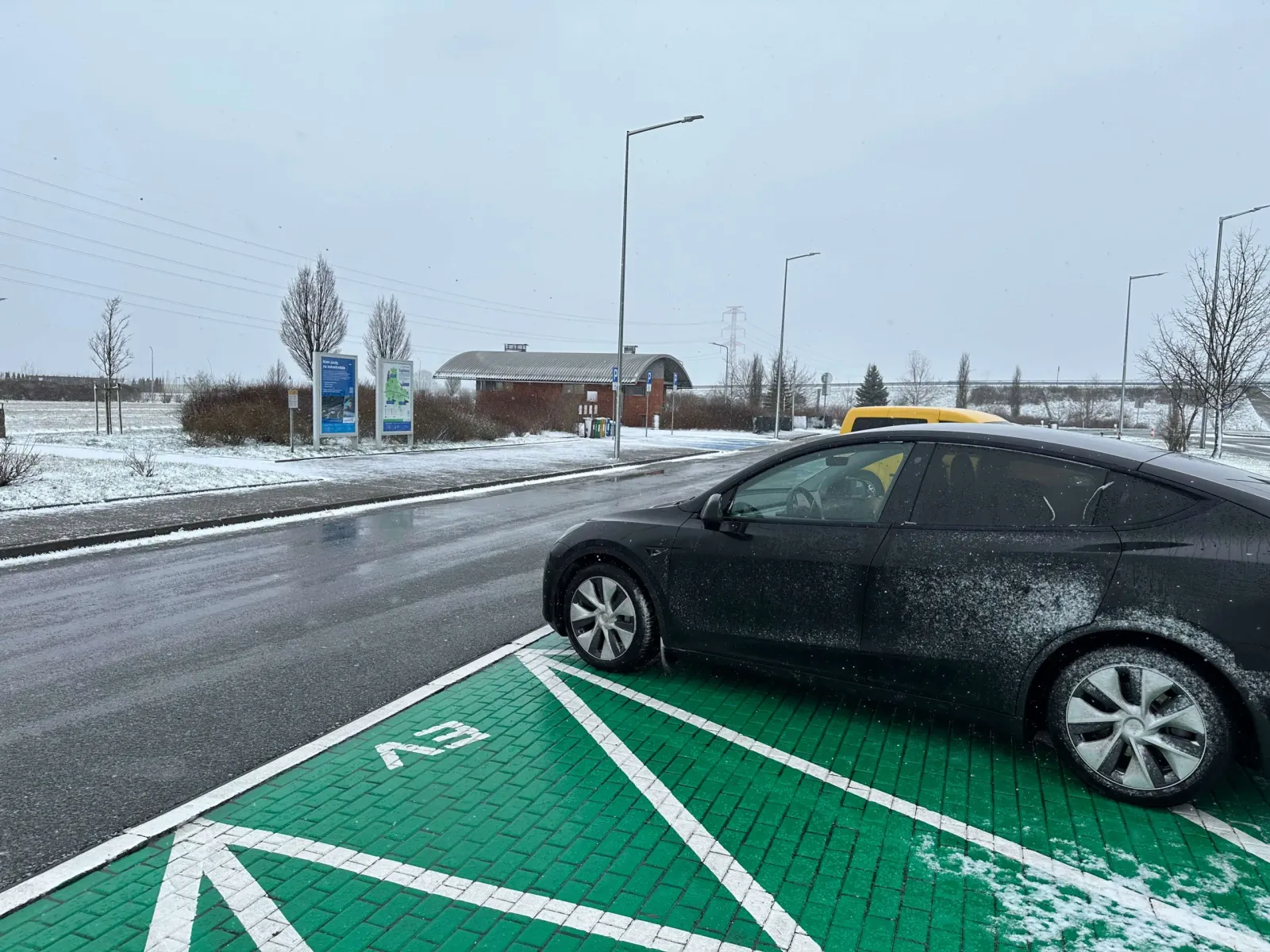
Winter is a trial period for many new electric vehicle drivers, and a moment of triumphant “I told you so” for skeptics. Switching from diesel or gasoline to electric vehicles in winter requires changing habits. With internal combustion engines, we add winter coolant to the sprayers, change tires, and fill up with antifreeze fuel. With electric vehicles, there’s no such thing as “winter electricity.” The electrons remain the same, but the physics and chemistry of batteries change under freezing conditions, altering the rules of the game.
Table of Contents
Show
Hide
You don’t need to be afraid, though. Claims that you can’t drive an electric vehicle in winter should be dismissed as myths. It’s possible, often more comfortably than with a gasoline car, provided you understand what’s happening under your vehicle’s floor and implement a few simple procedures.
Why the battery “shrinks” in cold weather
Let’s start with basic physics to understand why range decreases. It’s not the manufacturer’s fault, but rather chemistry. Inside lithium-ion cells, there is a liquid electrolyte. When the temperature drops, this liquid becomes thicker. It’s like trying to run in a pool filled with vinegar instead of water—the lithium ions have more difficulty moving between the cathode and anode.
The result? Internal resistance increases. The battery is unable to release as much energy in a short time at room temperature, nor can it accept electricity at the same rate during charging. The optimal operating range for a battery is between 20 and 40 degrees Celsius. Any drop below this means losses. That’s why battery management systems (BMS) reserve some of the current just to heat the cells, which in turn reduces the valuable range mileage.
Heat from the outlet, not the battery
The most powerful tool a driver of an electric car has in winter is preconditioning, or preliminary thermal preparation. Most modern models allow the heating to be turned on remotely via a phone app.
Here lies a fundamental difference in strategy. If the car is connected to a wallbox in the garage (or even a regular outlet), it draws the energy needed to warm the cabin and, more importantly, the battery from the power grid rather than from the traction battery. You get into a warm, thawed car with 100% of the battery available for driving. With a gasoline car, you first have to start a cold engine, which consumes plenty of fuel just to warm up, and wait for it to finally start heating the cabin.
Even if you don’t have a garage, this feature saves lives. The need to scrape windows away is a luxury you’ll appreciate after your first freezing morning. It costs a few percent of the battery, but safety and comfort are well worth it.
Managing heat inside the cabin
Another energy hog is air heating. In a gasoline car, heat is a free byproduct of the engine’s operation. In an electric vehicle, every calorie of heat must be generated from energy stored in the battery.
That’s where a heat pump comes into play. It works like an inverted refrigerator—compressing and expanding a fluid to “pump” heat from outside into the interior. It’s much more efficient than traditional resistive heaters. Conventional heating systems can consume 1 to as much as 4 kWh of energy to start up, while a heat pump only needs around 0.3–0.8 kWh.
If you only travel short distances, even a heat pump won’t be able to fully utilize its capabilities. In such cases, it’s better to adopt a “spot heating” strategy. Instead of heating thousands of liters of air in the cabin to 22 degrees, set the air conditioning to a lower temperature (e.g., 18-19 degrees) and turn on the seat and steering wheel heating. These features consume minimal electricity compared to an air heater while providing immediate warmth.
Charging: Timing Matters
A cold battery is an inefficient battery. If you drive a car that spent the entire night in the cold and only traveled 5 kilometers to a fast DC charger, you might be severely disappointed. Instead of the promised 100 kW of power, you’ll only get 20-30 kW. The BMS system will protect the cold cells from damage by drastically limiting the charging current. This phenomenon is known as “coldgate.”
Therefore, it’s best to schedule charging right after driving stops, when the battery is still warm from use. This ensures the process proceeds quickly and efficiently. If you plan a route that includes a charging stop, be sure to input the charger into your car’s navigation system. Most new electric vehicles will automatically start warming up the battery while driving so it’s ready to handle high power upon arrival. This can save you even several minutes of waiting in the cold.
Also remember the 20-80% rule. In winter, try not to let your battery drop below 20% so you have enough energy for heating in case of an unexpected stop.
Traps of regenerative braking on slippery surfaces
Recovering energy, or regenerative braking, is a great way to save fuel, but it can turn into a trap in winter. Hard braking with the engine on icy surfaces can cause the wheels to lock up or result in a loss of traction on the rear axle (in RWD vehicles).
You can’t cheat physics. If you feel the surface is extremely slippery, reduce the regenerative braking strength in the settings or switch the car to “Snow” or “Eco” mode. These systems often soften the response to the accelerator pedal and reduce torque, allowing smooth movement without wheel spin. On ice, it’s better to control braking manually using the brake pedal, which activates the ABS/ESP systems, rather than relying on regenerative braking electronics that can sometimes be too aggressive.
Tire pressure – the silent killer of range
Many drivers forget that air contracts in low temperatures. The tire pressure you set in October at +15 degrees will be significantly lower in January at -10 degrees.
Underinflated tires create more rolling resistance. In the world of internal combustion engines, this simply means higher fuel consumption, which few people pay attention to. In the world of EVs, it means losing valuable range. Check your tire pressure regularly. In winter, you can even increase it by 0.1-0.2 bars above the manufacturer’s recommendation to compensate for the effects of cold.
Fact: Smaller tires mean greater range. If you have a second set of tires for winter, choose wheels with a smaller diameter (e.g., 18 instead of 20 inches). A narrower tire with a higher profile not only performs better on snow but also creates less aerodynamic resistance.
A small battery, a big problem
Finally, there’s one element that almost everyone forgets – the 12V battery. Yes, electric cars have one too. It’s used to power the electronics, lights, locks, and… start the main high-voltage system. If the small 12V battery fails in cold weather (which is the most common cause of EV failures!), you won’t be able to start the car, even if the main battery is fully charged. If your electric vehicle is a few years old, check the condition of this small battery before the season starts.
Winter driving requires careful planning, but it’s rewarded with peace of mind. The silence of the drive, the absence of vibrations from a cold engine, and the ability to enter a warm interior make returning to a gasoline car feel uncomfortable. Just remember: a warm battery is a happy battery.
Do you have your own proven tips for driving an electric car in winter, or do you prefer to switch to public transportation during this time? Let us know in the comments!