
Lexus is developing a next-generation electric vehicle using Gigacasting technology
August 31, 2026, 1:00 PM
Serhii Ivanov – reviewer for autocentre.ua. Specializes in covering major events in the global automotive industry and reviewing new models. An expert in automobile manufacturing history, author of numerous publications and books on this topic.
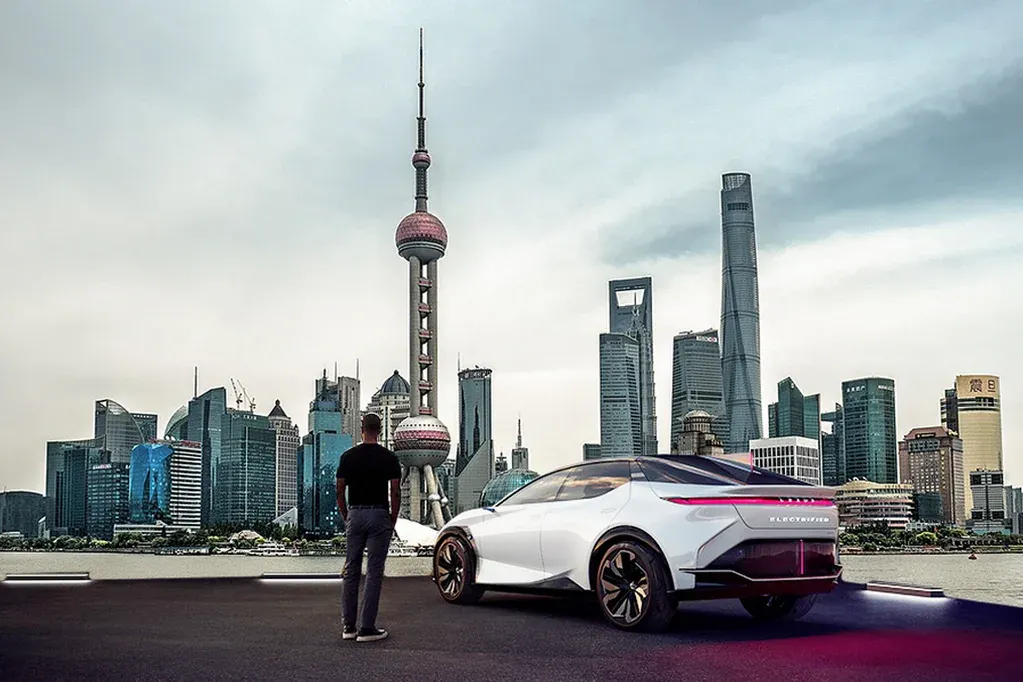
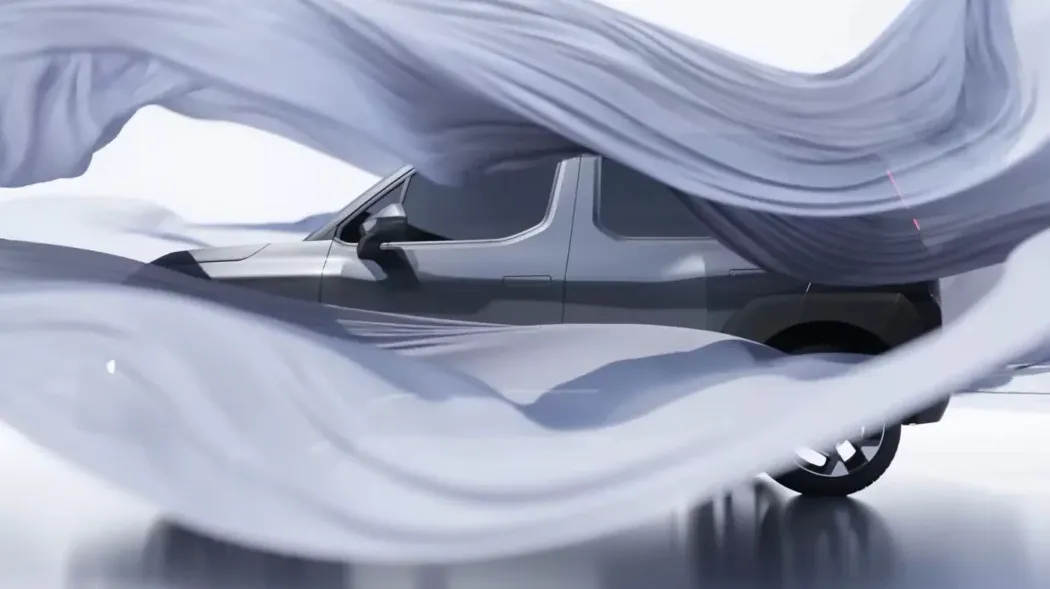
The Japanese luxury brand Lexus is preparing to launch its first next-generation electric vehicle at a completely new manufacturing plant in Shanghai. According to the reputable analytical publication Nikkei Asia, mass production is scheduled to begin in autumn 2027. The new model is being developed targeting China’s domestic market, where competition in the eco-friendly automotive sector is extremely fierce.
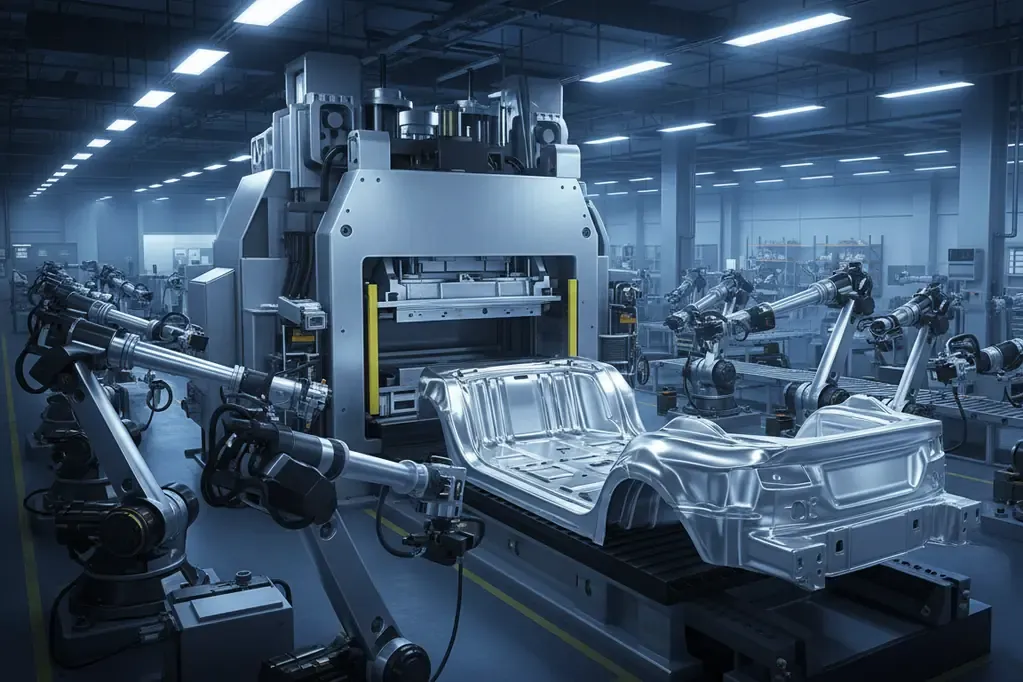
The upcoming model will change the brand’s current conservative approach to manufacturing processes. The body of this vehicle, which is structurally a crossover, will be produced using advanced Gigacasting technology. This method involves casting several large aluminum body parts as a single monolithic component on giant presses. Such an approach will significantly reduce the vehicle’s overall weight and optimize axle stiffness, thereby increasing the rated range by a few percent. Initially, production volume will be around 1,000 units per month, but capacity will later be expanded to tens of thousands of units per year.
The construction of a factory and the localization of flagship engineering solutions in China represent a rare strategic exception for Toyota, which traditionally keeps its most advanced manufacturing lines within Japan or the United States. However, the brand is forced to respond to declining sales performance in China. Over the past year, the luxury marque managed to sell only 182,458 vehicles in China, compared to 370,260 units sold in the U.S. market during the same period. The introduction of a locally produced electric SUV will help avoid customs duties and enhance the brand’s status among local consumers.
AC Note
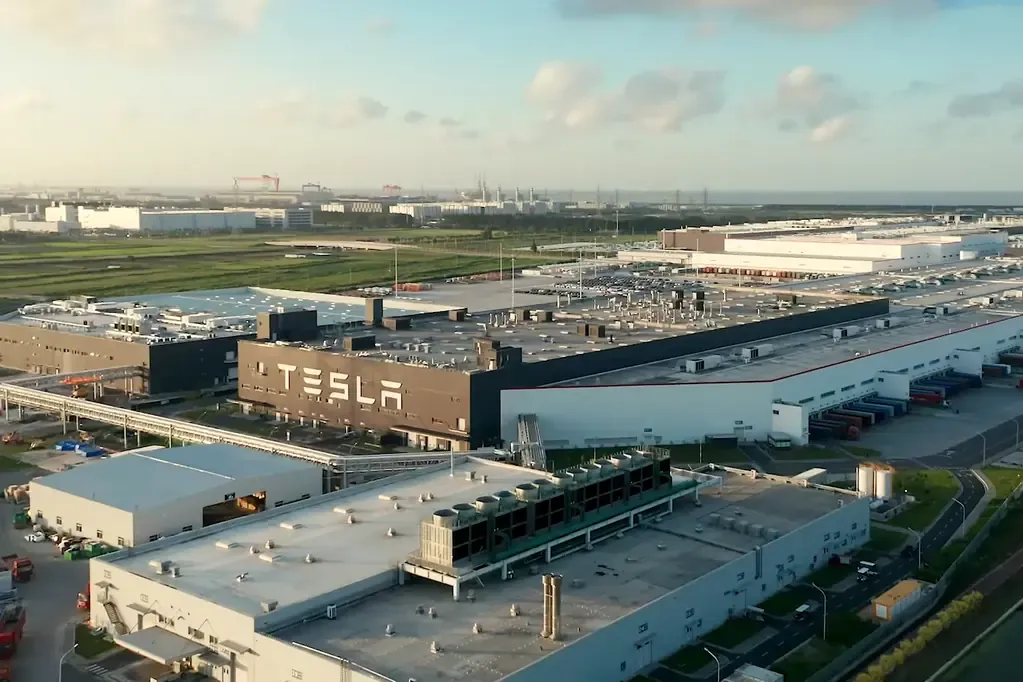
The unique gigalith technology that Lexus plans to implement at its Shanghai plant was first adopted in the global automotive industry by American company Tesla for manufacturing its Model Y crossover vehicles. The conventional method of assembling a car body requires spot welding, gluing, or bolting together 70 to 100 separate small steel or aluminum stamped parts.
The gigalithing process uses ultra-powerful casting machines (such as the Giga Press from the Italian company Idra) with clamping forces ranging from 6,000 to 9,000 tons. The molten aluminum alloy is injected into the mold under immense pressure, allowing the entire rear or front section of the vehicle’s structural frame to be produced in just a few seconds. This completely eliminates the need for hundreds of welding robots, removes weak joint points from the chassis structure, drastically simplifies component logistics in the factory, and ensures perfect precision in the geometric parameters of the suspension.
Crossover
Electric Vehicles
Tesla
Lexus
Toyota
Related Articles
Scroll down to see more articles