
Leapmotor will become the world’s first mass-produced electric vehicle without a 12-volt battery.
September 18, 2026, 18:00
Serhii Ivanov – reviewer for autocentre.ua. He specializes in covering major events in the global automotive industry and reviewing new models. An expert in automobile history, he is the author of numerous publications and books on this topic.
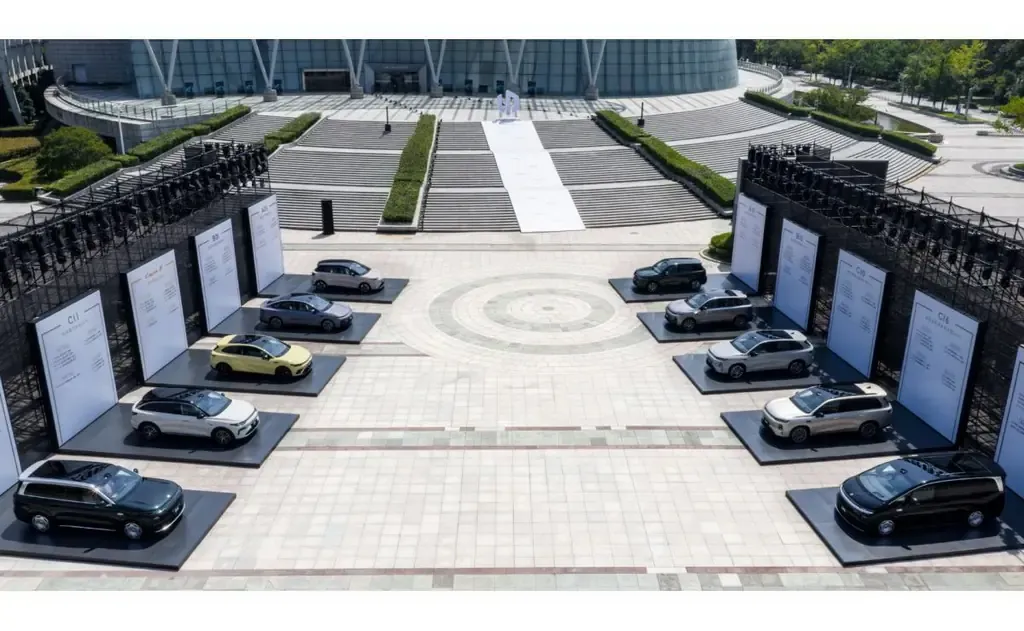
The Chinese automaker Leapmotor officially unveiled two major technological innovations during its flagship event, Leapmotor Tech Day 2026. Utilizing its battery factory in Huzhou, the brand introduced the new LEAP 5.0 New Mobile Space Architecture for vehicle bodies and the next-generation cell-to-chassis (CTC) 3.0 High-Low Fusion Battery with no modular components. Both engineering solutions will form the basis for the next generation of the brand’s electric vehicles, with mass production set to begin in 2027. The brand’s leadership compares this milestone to the moment when traditional button phones were permanently replaced by smartphones.
The new LEAP 5.0 skateboard chassis achieved 100% space efficiency. Engineers combined the air conditioner and rear electric motor into a single unit, reducing the number of components by 18% while increasing the cabin length by 19%. The new vertical layout of shock absorbers with aluminum struts expanded legroom for front passengers by 37.5%. Thanks to the low, flat floor and high ceiling, the interior height of the cabin increased by 63.7%. All systems are connected to a centralized computer tailored for autonomous driving functions.
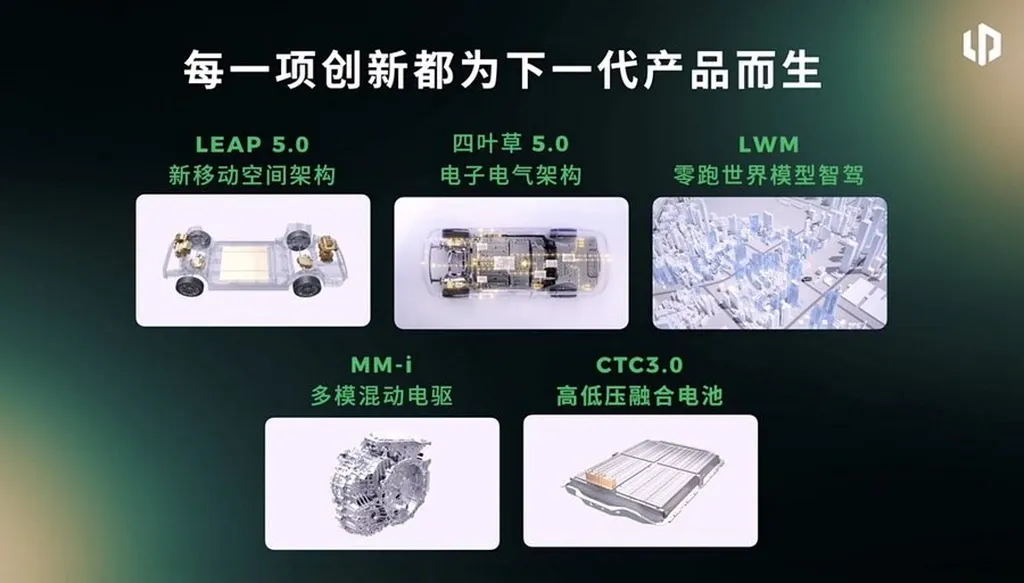
The major technical breakthrough lies in the energy system of CTC 3.0. The new battery combines high-voltage and low-voltage circuits in a single cell, eliminating the need for traditional 12-volt lead-acid batteries entirely. The capacity of the low-voltage circuit has increased sevenfold compared to the previous generation, fully meeting the demands of the vehicle’s electrical system.
Leapmotor’s electric cars will be the first mass-produced vehicles in 70 years to not use any auxiliary battery at all. The battery cells are now integrated directly into the vehicle’s structural framework without relying on separate heavy modules, featuring a shared thermal management system, and are designed to last the entire lifespan of the car without requiring replacement or maintenance.
Electric Vehicles
Leapmotor
Related Articles
Scroll down to see more articles