
You bought an electric car — what next? A practical guide for your first month with an EV.
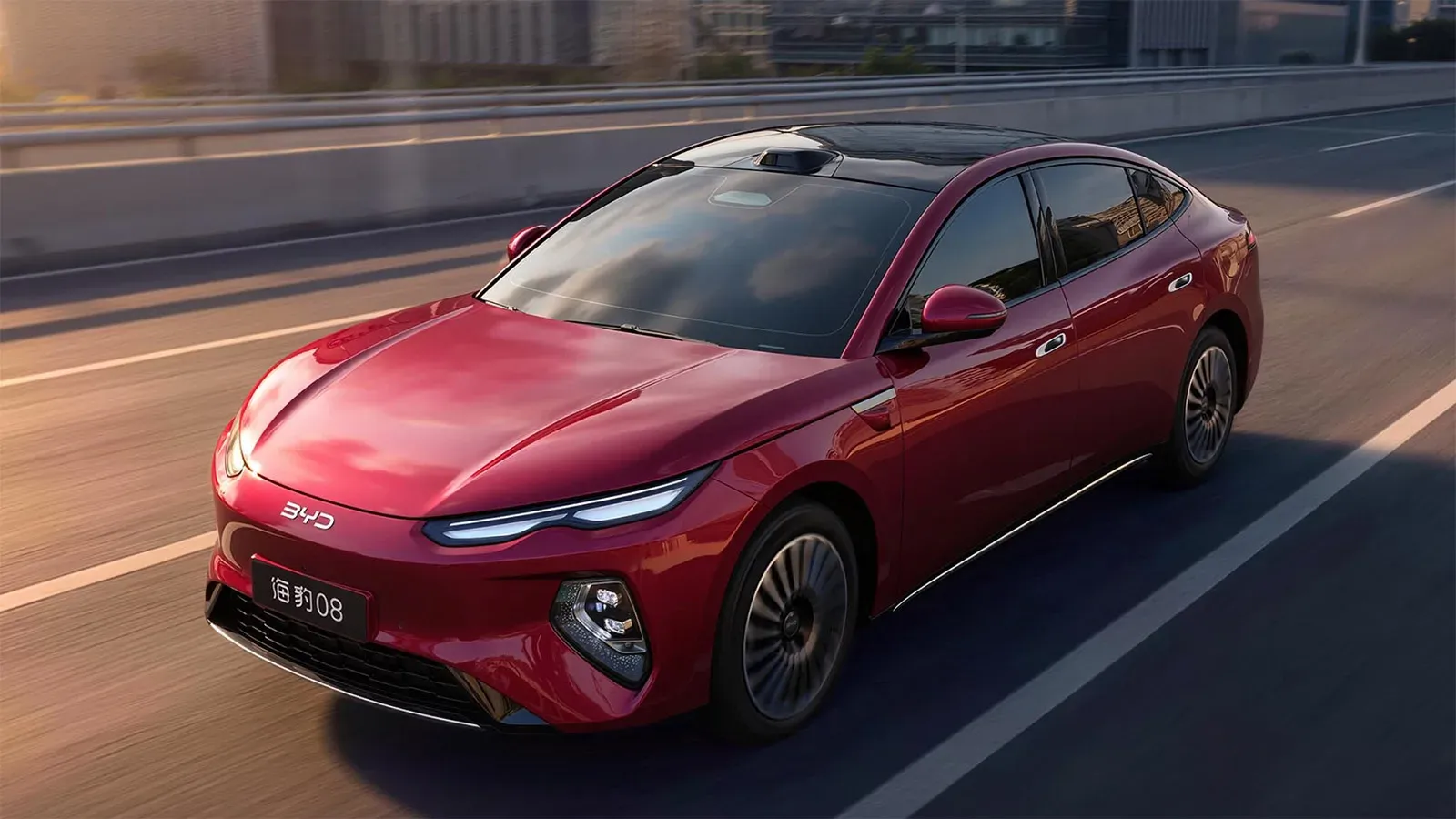
You picked up the car, drove away from the dealership, and suddenly everything worked a bit differently than with a gasoline vehicle. It’s quieter, faster, more modern, but it also brings a slight sense of confusion: where to charge, what to install, what to buy, and whether you really need to keep an eye on all those percentages.
Table of Contents
Show
Hide
This text exists so you don’t have to learn everything through trial and error. No theory, no forum arguments—just practical information that’s truly useful in the first weeks of driving an electric car.
What to Buy at the Start
The first thing is a Type 2 cable. Some manufacturers include it with the car, while others don’t. If you don’t have one in your trunk, it’s a must-buy because without it you won’t be able to connect to many public AC chargers, especially those in cities, hotels, or near office buildings.
It's better to buy a quality cable rather than the cheapest one from the internet. Look for a three-phase version, usually 11 kW or 22 kW, with a reasonable length—most commonly 5-7 meters. This makes a difference when you're standing sideways to the pole or if the car charger is on the “wrong” side.
The second thing is charging at home or in a garage. If you have the option, a wallbox or a good portable EVSE connected to a power outlet works best. A regular 230 V outlet certainly works, but it's more of a backup solution or for those who drive short distances.
Upgrading to 11 kW with a three-phase installation transforms daily convenience. The car no longer spends over 15 hours “hung” on the cable; it simply charges at night. If you don’t want to invest in a wallbox right away, a decent portable charger can be a more sensible starting point, as you can take it with you on trips as well.
The third item is an RFID charging card. Yes, apps are important, but a physical card can still save the day when the charger acts up, cell signal is weak, or the app decides to log you out in the rain. In practice, roaming cards that work with multiple networks prove very useful.
And one more small thing you’ll appreciate quickly: a microfiber cloth and screen cleaner. In many electronics stores, almost everything is operated via touch, so after a few days the display looks like a tablet that’s been used with kids over the weekend.
What to Install on Your Phone
First up is PlugShare. It’s essentially a map of charging stations with user comments, photos, and information on whether the station is working, occupied, or accessible. The car’s built-in navigation can be good, but the opinion of someone who charged there the day before is often more valuable than the operator’s marketing claims.
The second app is ABRP, or A Better Routeplanner. If you’re planning a longer journey, this is the tool that will handle the task for you. You enter the car model, battery level, driving conditions, and the app calculates charging stops and the estimated battery status upon arrival.
ABRP isn’t a crystal ball, but it teaches you to think like an electric vehicle driver very well. You’ll quickly realize that sometimes it’s better to do two shorter charges from 15% to 60% rather than one long charge to 95%.
Add to this the apps of the charging operators you can actually use. It’s best to create accounts and link a credit card right at home, not while plugged in. GreenWay, Orlen Charge, Ionity, Powerdot – the sooner you do this, the less stress you’ll have on your first trip away.
If your car brand has its own app, configure that too right away. Checking the battery level remotely, starting charging, adjusting the climate control, or setting a charging schedule aren’t just gimmicks. These are features you start using regularly, sometimes within just a few days.
What to pay attention to so you don’t go crazy
At first, battery percentages and online advice like “only charge this way, never otherwise” cause the most confusion. Stay calm. In everyday use, for most cars with NMC batteries, the 20-80 percent rule works well. It’s not because the car will break down at other levels, but rather because this range is usually reasonable for cell durability and ease of use.
A exception are cars with LFP batteries. These often prefer charging to 100 percent, as it helps calibrate the readings and aligns with recommendations from some manufacturers. If you’re unsure about your battery type, check the manual or the manufacturer’s app instead of relying on random posts in discussion groups.
The second thing: kW is not kWh. kW refers to power, which is the charging rate or engine output. kWh represents energy, meaning the battery capacity or consumption. If a car charges at 150 kW, it doesn’t mean its battery is 150 kWh. These are the basics, but this is where confusion often starts.
The third point is the charging curve. On paper, a car might have 170 kW, 220 kW, or even more, but that doesn’t mean it will maintain this level throughout charging. The highest power usually appears for a short time before dropping. After reaching 80 percent, the drop becomes noticeable as the battery protects itself from excessive load and temperature.
That’s why it’s often not worth waiting to fully charge while on the road. It’s better to unplug the car at 60-80 percent and continue driving if there’s another charger within reach. This is one of those moments when an EV driver stops thinking in terms of a “full tank” and starts considering travel time instead.
No, there are two more things that significantly affect range: winter and the highway. Frost increases energy consumption because the cabin and the battery itself need to be heated. Driving at 140 km/h also uses much more electricity than driving at 100-110 km/h. Electric vehicle manufacturers show this very honestly, without glossing over the reality.
New habits, or a revolution in mindset
The most important change is simple, but difficult for many people: don’t think of the car as a gasoline vehicle. Think of it as a smartphone. Charge it not when you absolutely have to, but whenever you have the chance.
You come home, plug in the cable. Stand under it for two hours at work, then plug it in again. You go shopping and find a free charging station, so you use it. After a month, it becomes clear that “charging” is no longer a separate task to check off, but just part of everyday life.
This is precisely the most convenient part of driving an EV, though it’s hard to believe at first. Instead of going specifically to a charging station, you often just leave the car where it already is. If you have the option to charge at home or at work, the comfort is usually greater than that of a gasoline car.
The second new habit is to use regenerative braking. The car recovers energy while slowing down, and in many models you can drive almost with just one pedal. Not every EV does this as well, and not every one allows you to come to a stop completely without using the brakes, but the concept quickly becomes second nature.
In practice, this means a smoother, more relaxed drive. You start to anticipate road conditions sooner and release the accelerator earlier, rather than driving up to a light and braking at the last moment. This improves range, benefits passengers, and also extends the life of brake pads.
The third habit is to remotely heat or cool the car before driving while it’s connected to a charger. In winter, you get into a warm cabin, and in summer, a cool one. Additionally, the energy used to prepare the car comes from the grid rather than the traction battery, so it doesn’t reduce your range at startup.
If the car has a battery preconditioning feature for fast charging, it’s also worth making use of. A heated battery can absorb more power than a cold one, so in winter the difference at a DC charger can be quite significant. This is one of those things you don’t see in promotional materials but will notice on your first long drive.
After a few weeks, most of the worries simply disappear. A few new habits remain, some knowledge about charging, and the awareness that working with electricity requires a different approach, but not necessarily a harder one. How was it for you after the first month with an EV—was it the convenience of charging, regenerative braking, or route planning that surprised you the most?