
How do you prevent a car battery from dying in cold weather
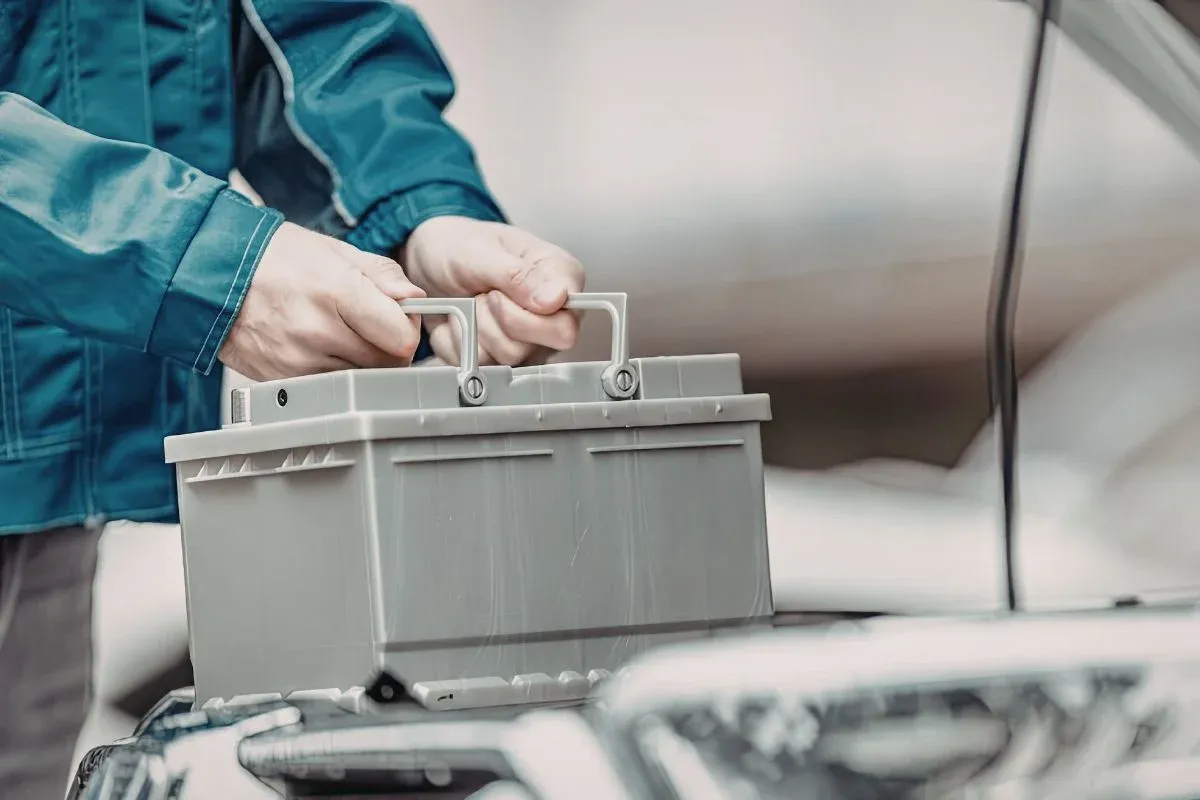
The cold weather is harsh on car batteries. As temperatures drop, the battery’s ability to deliver power also decreases. Combined with increased wear from heating systems, lighting, and the starter, you risk being stuck with a completely dead battery on a cold morning. But there are solutions.
We show you how to keep your car battery healthy through the winter, so you can avoid unpleasant surprises when temperatures drop.
Why does a car battery weaken in cold weather?
Cold affects the chemistry inside a car battery. When it’s cold, the electrolyte becomes thicker and chemical reactions slow down. This means the battery has less power to deliver amperage to the starter motor.
A rule of thumb: For every 10 degrees drop in temperature, the battery’s starting capacity is halved. At minus 20 degrees, the battery can only deliver 40 percent of its performance on a summer day. If the battery is already worn out or several years old, it may not hold up under these conditions.
At the same time, everything in the car works harder in cold weather. The engine requires more electricity to start, the ignition system uses more energy, and you turn on the lights more frequently. The battery must deliver more power while it’s at its weakest.
1. Know the age of your battery
The first thing to do is determine how old the battery is. A standard car battery typically lasts 3 to 5 years, but cold weather shortens its lifespan.
Check the battery. On top or on the side, you’ll find a label with the production date. It usually appears as two digits: for example, “06/22” means June 2022.
If the battery is older than three years and you drive a lot in cold weather, you start to take greater risks. If it’s five years old or older, you should seriously consider replacing it before winter.
An old battery works fine in autumn and spring, but when temperatures drop to minus 15 degrees or lower, it can suddenly stop working completely. There’s no warning. You start the car one day normally. The next day, it won’t start.
2. Keep the battery clean and dry
Rust and corrosion on the battery terminals prevent electricity from flowing properly. This problem worsens in cold winter weather.
Inspect the battery every month. If you see green or white crystals around the terminals, it’s corrosion. Clean them off. Turn off the car and wash the area with a mixture of baking soda and water. Scrub gently with an old toothbrush, rinse with clean water, and let it dry completely.
Make sure the battery holder is secure and stable as well. A loose battery holder causes the battery to shift around in the engine compartment, which deteriorates the connections.
3. Drive long enough to charge the battery
Short drives are harmful to the battery, especially in winter. When you drive short distances, the engine uses a lot of power for heating, and the starter operates frequently. The battery doesn’t have enough time to fully recharge.
Ideally, drive for at least 20 to 30 minutes continuously at least once a week. This gives the generator time to charge the battery back to full capacity. If you only drive 5 minutes each way to pick up groceries, the battery will gradually lose its charge. After a few weeks, it might be completely drained and unable to start the car.
If you only drive short distances, you should consider using a battery charger at home. A smart battery charger like the CTEK MXS or NOCO Genius keeps the battery in top condition at all times.
4. Unplug anything that uses electricity when the engine is off
This sounds obvious, but many people forget it. If you stay in the car with the engine off but the radio or heating on, you’re draining the battery.
In cold weather, it’s tempting to stay warm before driving out of the driveway. But every time you do this, you’re weakening the battery. Don’t do it.
Also check that the tail lights aren’t on when you park. An accidentally left-on tail light can use up the battery all night, leaving it completely drained when you try to start the car the next morning.
5. Warm up the car before starting, but not for too long
It makes sense to let the engine warm up before driving out of the driveway in cold weather. It does that too, but not in the way you might think.
When starting the engine in cold weather, it draws maximum current. The longer you let it idle and warm up, the more stress is placed on the battery. The best way to warm up a car is actually to drive it.
Let the car idle for at most one or two minutes. Then drive out of the driveway, but drive slowly and steadily during the first few minutes as the engine warms up. The engine heats up faster when it’s running slightly, and the battery isn’t stressed as much as when it’s idling at high RPMs.
6. Invest in a good battery charger or starter booster
If you live in an area with extremely harsh winters, or if you only drive short distances, a battery charger is a smart investment.
A smart battery charger like CTEK or NOCO Genius keeps the battery at optimal voltage at all times. You plug it in when the car is in the garage, and it ensures the battery never dies. These chargers are smart enough to monitor and regulate voltage so as not to overcharge the battery.
A starter booster, on the other hand, is a small portable battery that you keep in the car. If the battery still runs out of charge, you can start the car directly using the starter booster. With a good starter booster like NOCO GB40 or Powerkit Startbooster in the glove compartment, you always have a backup when something goes wrong.
7. Check the battery voltage before winter
A standard car battery should be around 12.6 volts when the engine is off and the car has been parked overnight. Below 12.4 volts means the battery is already partially drained.
You can measure it with an inexpensive multimeter from a hardware store. Open the battery cover, connect the red wire to the positive terminal and the black one to the negative terminal, then read the value. It takes five seconds.
If the voltage is below 12.4 volts, charge the battery with a charger before it gets too cold.
8. Keep the car battery warm if possible
If you have access to a garage, park the car there. A garage that is only 5 to 10 degrees warmer than outside helps greatly. The battery loses heat more slowly, making things easier for it all the time.
If you don’t have a garage, there are battery insulators you can stick on the battery to isolate it. It’s not perfect, but it helps a bit.
Summary
There isn’t a single trick that guarantees the battery won’t die. But if you do several things at once, you greatly increase your chances:
Know the age of your battery and consider replacing it before winter if it’s over three years old. Keep the terminals clean and free from corrosion. Drive long enough for the battery to charge. Turn off anything that uses electricity when the engine is off. Warm up moderately and drive smoothly. Check the voltage before winter. And if you drive short distances or live in extremely cold areas, get a battery charger or a starter booster as a backup.
A starter booster in your car is also like cheap insurance. It takes up little space and can save you from being stranded on a freezing morning when temperatures are at their worst.
Do these things, and you’ll avoid dead car batteries even when the cold sets in.