
Electric car vs gasoline car: Choose the best car for your lifestyle in 2025
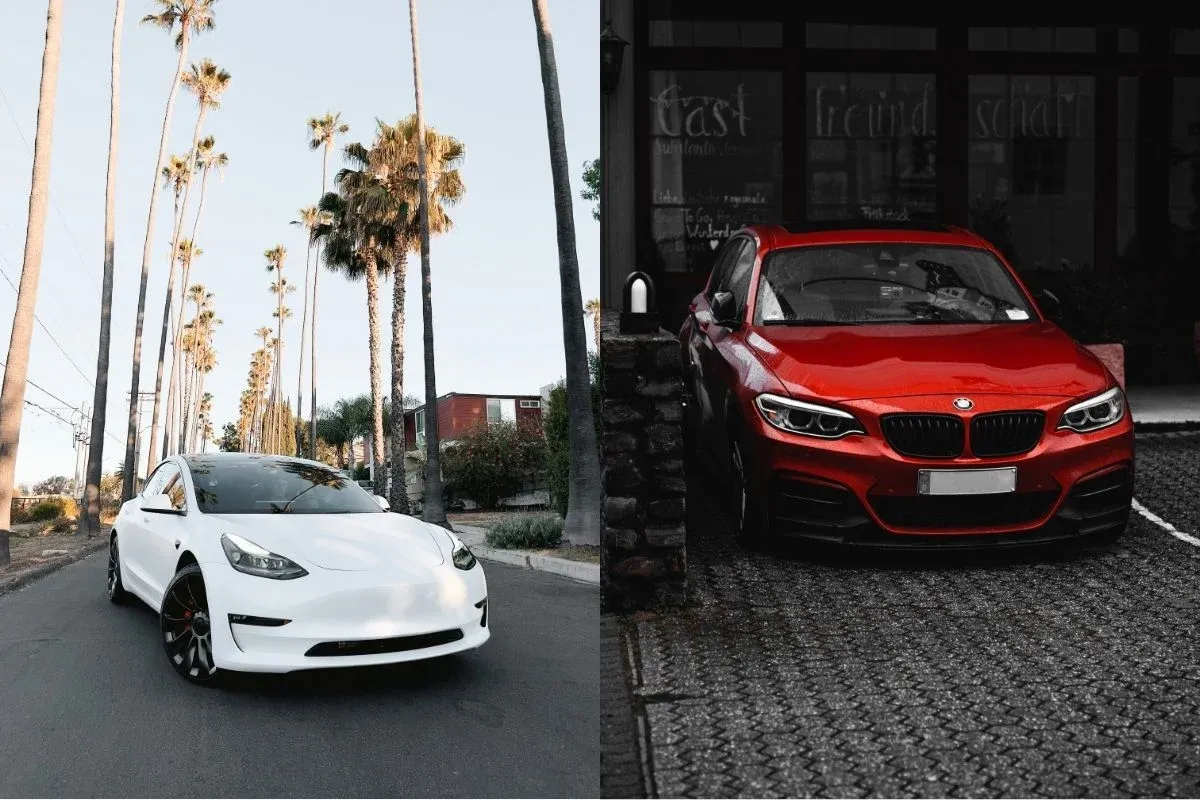
Electric cars versus gasoline cars have become a topic that almost everyone talks about, whether at the dinner table or at work. I remember being in the midst of that choice myself, and it felt almost like standing at a crossroads where both paths had their own attractive but also challenging aspects. The decision isn’t just about getting from A to B; it’s about what kind of driving experience, cost, and environmental impact you’re willing to accept. It’s a balancing act between the familiar and the new, between established habits and future possibilities. In this article, I’ll take you on an honest, personal, and informative journey through what truly distinguishes electric cars from gasoline cars – and perhaps help you make a choice you can be satisfied with.
What is an electric car?
The electric car is like the silent revolutionary in the automotive world – a kind of electric ninja that slips away quietly without any noise or exhaust fumes in the air. Behind its sleek exterior lies a battery that functions as the car’s heart, storing electricity to power the engine with a force that often surprises even the most experienced drivers. I remember the first time I drove an electric car; it felt almost as though the car was breathing with me, so smooth and steady was the ride. Being able to charge at home, at work, or at charging stations is like topping up a mobile phone – only here you get enough energy for many miles. Norway has made buying electric cars attractive with good support policies, which has led more people than ever to consider this modern solution. Still, it requires a new way of thinking about driving and charging, especially if one is used to gasoline cars stopping quickly at the nearest gas station.
What is a gasoline car?
A gasoline car is like a faithful old friend – familiar, reliable, and available almost everywhere. It burns gasoline in the engine and delivers energy throughout the car with a power that many still value highly. I’ve taken many trips in a gasoline car, and there’s always been a sense of security in being able to fill up quickly without having to worry about charging infrastructure or range concerns. Gasoline cars use well-known technology that most mechanics can handle, and there’s a dense network of gas stations across the country, making long drives straightforward. Yet it can feel a bit outdated when considering how electric vehicle technology is advancing and, not least, how environmental regulations are tightening.
Read also: Used electric car prices in Norway – How to get the best value
Costs: How much does it actually cost?
Purchase price
When standing in a store and looking at the price tag, an electric car’s higher cost can feel like a wall one must climb over. It’s somewhat like buying a quality product that costs more but saves money and hassle over time. Even I initially found investing a bit extra in an electric car to be challenging, but once I saw how low operating costs and government incentives made daily life easier, it quickly became a good feeling. Gas cars are often cheaper to buy upfront, but the hidden costs of fuel, service, and maintenance can make the total bill higher over time.
Operating Costs
I was surprised by how much cheaper it is to use electricity compared to gasoline. It’s almost like going from buying coffee at a café every day to making it at home — both provide energy, but the costs are vastly different. Electric vehicles have fewer parts that wear out, which reduces the need for repairs and maintenance. This means fewer unexpected expenses, and it brings a sense of peace that’s hard to put a price on until you experience it. Gasoline vehicles, with their internal combustion engine, require regular oil changes, filter replacements, and more extensive maintenance, all of which can be costly.
Costs and Incentives
Read also: Smart home charging for electric cars – save time and money today
Environmental impact
Emissions and climate footprint
The environmental aspect is perhaps the most emotionally charged topic for many, and for good reason. Driving an electric car is like sending a silent prayer to nature to breathe easier—free from harmful emissions that pollute the air and climate. Although the production of electric car batteries requires energy and generates emissions, research clearly shows that the overall climate impact is much lower than that of gasoline cars. I’ve met people who say they don’t feel they can choose a gasoline car with a clear conscience, especially when they see how children’s health can be affected by urban pollution.
Noise Level
There is something about silence that makes the driving experience so different. An electric car glides through streets like a soft whisper, making everyday life more comfortable for both the driver and those around them. I have noticed several times how much quieter residential areas become when electric cars dominate traffic. Gas-powered vehicles have engine noises that can be both exciting and irritating, but they contribute to noise pollution that many people want to avoid.
The Transportation of the Future
Norway places a strong emphasis on electric vehicles as part of its environmental strategy, with authorities actively working to phase out fossil fuel cars. It almost feels like electric vehicles are a symbol of a cleaner and smarter future, and in many places, environmental zones are being established that allow only zero-emission vehicles. I’ve also noticed that several friends and family members have switched to electric cars, which feels almost like a movement one becomes part of—a community that wants to make a difference.
Driving experience and user-friendliness
Performance and range
I remember the concern I shared with many others when thinking about electric cars: Would it be able to take me where I needed to go without requiring a long charging session? Today, most electric cars are designed to cover well over 30 miles on a single charge, which is more than sufficient for many daily trips. However, it does require a bit more planning, especially for long distances where charging stops are part of the journey. Gas cars have an advantage in that they can be refueled in just a few minutes and keep driving without stopping, which still makes them more practical for certain trips.
Comfort and Features
What I really appreciate about electric cars is how quiet and smooth they drive. It feels almost like floating on clouds, without any vibrations or engine noise. Many models are also equipped with advanced technologies such as driver assistance systems and wireless updates. Gas cars may have good features, but they often aren’t as integrated into a digital lifestyle, which makes electric cars more future-oriented.
Practical Considerations
The battery in an electric car takes up space, which for some means less trunk space. I’ve found that it can be a challenge when going on longer trips with lots of equipment. Winter driving can also reduce the battery’s range, especially in cold climates like ours. Still, modern electric cars have improved greatly, and for most daily drives this isn’t a big problem. Gas-powered cars remain more reliable in such situations without having to worry about charging access.
Technology and Innovation
The technology in the electric vehicle market is advancing at an astonishing pace. Batteries are becoming lighter, cheaper, and more efficient, making electric vehicles increasingly attractive. Features such as autopilot, over-the-air updates, and intelligent systems make driving safer and more comfortable. The gasoline vehicle industry is also working to improve efficiency, but with increasing environmental demands, internal combustion engines struggle to compete with the future potential of electric vehicles.
Advantages and Disadvantages of Electric Vehicles
The biggest advantages of electric cars are clear: zero emissions while driving, lower operating and maintenance costs, and not least the financial incentives that make ownership more affordable. At the same time, challenges related to charging infrastructure and range can deter some people, especially outside cities. It is a transition that requires planning and adjustment, but one many consider worth it.
Advantages and Disadvantages of Gas Cars
Gas cars have the great advantage of being easy to use – you can fill up quickly and drive long distances without worrying about charging. They have a widespread service network and good community support. However, they suffer from high fuel costs, emissions that harm the environment, and increasing demands for emission reduction, which make the future uncertain for fossil fuel vehicles.
What Should You Choose?
The choice between an electric car and a gasoline car always depends on your personal needs. If you drive mostly in the city, have a fixed charging spot, and want to contribute to a better environment, an electric car is the natural choice. If you rely on long drives without charging stations or have limited access to charging, a gasoline car may still be more practical. I recommend considering the overall cost, environmental awareness, and how the vehicle fits into your lifestyle.
Frequently Asked Questions (FAQ)
How long does an electric car battery last? Batteries typically last 8–12 years, often longer with proper maintenance.
Are electric cars expensive to maintain? No, they have fewer parts and lower maintenance costs.
How does winter affect the range of electric cars? Cold weather can reduce range by 20–30 %.
Can gasoline cars be used in eco-zones? Many eco-zones restrict gasoline cars, depending on local regulations.
How much does it cost to charge an electric car at home? Charging at home usually costs 30–50% less than fuel per km.
Summary
Electric cars and gasoline cars represent two completely different worlds of vehicles. Electric cars offer lower costs, less environmental impact, and modern technology, while gasoline cars provide range, simplicity, and a familiar user experience. The future points toward increased electrification, but gasoline cars will still be part of the vehicle fleet for some time. The most important thing is to choose the car that makes your daily life easier and better.