
Electric car range 2025: The truth and tips for longer trips
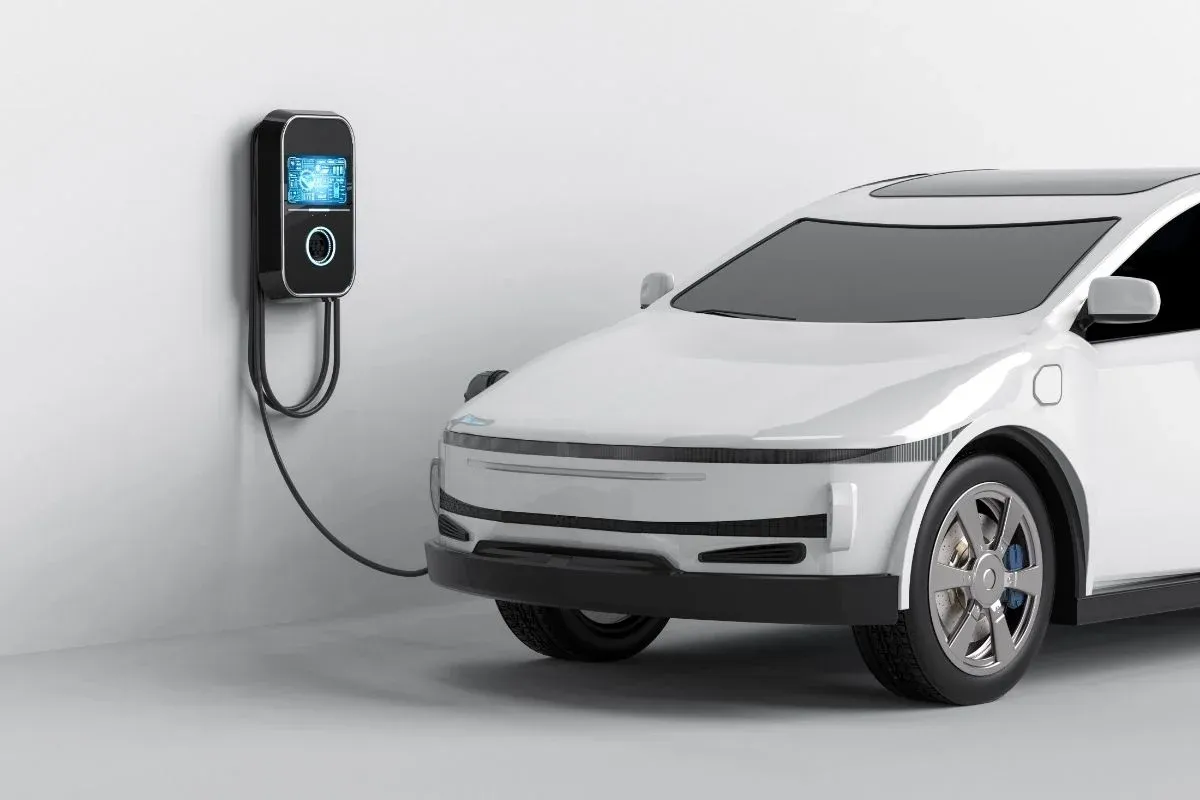
Battery range is perhaps the most discussed and yet misunderstood factor when people consider buying an electric car in 2025. I remember feeling a mix of excitement and uncertainty before making the switch to an electric vehicle. Thoughts raced through my mind: “Will I run out of electricity? What about winter? Is the range really good enough for my needs?” It’s like planning a long hike with a backpack—you want to be sure you have enough strength to get there safely. Today, with the technological advancements we see, range is much more reliable, but there are still some nuances that one should understand to feel confident. I’ll share facts, experiences, and insights that can help you navigate this important topic.
What does electric car range mean?
Definition of range
When we talk about range, it essentially refers to how far your electric car can drive on a fully charged battery pack. But here’s the first caveat: the range figures provided by manufacturers are often measured under optimal laboratory conditions, giving an idealized picture. In reality, your actual range can vary significantly depending on how and where you drive. It’s comparable to how far you can walk on a hike with a certain amount of food — if you carry heavy bags, climb steep slopes, and use extra energy, you won’t cover as much distance as in perfect conditions. I’ve even experienced my range dropping by 20-30 percent, especially in winter, which forced me to think more strategically about planning my trips.
Read also: Smart home charging for electric cars – save time and money today
Factors that affect range
The range of an electric vehicle is like a living organism that reacts to its surroundings. Outside temperature plays a crucial role – cold days make the battery work harder to stay warm, just as we humans need extra clothing and energy to keep warm. Your driving style also matters. Driving aggressively with rapid accelerations and hard braking drains the battery faster, while steady and calm driving can save many extra kilometers. The terrain you drive on is equally important: flat roads are like a steady run, while hilly areas require more effort and draw more power. Finally, the load and use of additional equipment such as heating or air conditioning matter – every kilo and every extra watt of power consumption counts.
Technological advancements in electric vehicle batteries by 2025
New battery types and materials
A silent revolution is taking place beneath the hood of the electric vehicles we see in 2025. Solid-state batteries, which many experts have discussed for years, are finally making their way into the market. These batteries offer higher energy density, better safety, and a longer lifespan. Think of it as switching from an old backpack to an ultra-lightweight and super-strong model that can carry more and last longer. Meanwhile, improvements are ongoing in traditional lithium-ion batteries with new materials and smarter designs. As a result, today’s electric vehicles can store more energy in a lighter and smaller battery than just a few years ago, directly increasing their range.
Battery Size and Energy Density
Understanding energy density is crucial when discussing range. It refers to how much energy can be stored per kilogram of battery – an improvement in this area means the car can drive farther without necessarily requiring a larger or heavier battery. It’s like finding a more efficient way to pack capacity, allowing more space without increasing weight. By 2025, we’ll see several models with battery packs that offer over 60 miles of range, something that was previously considered part of the luxury segment. This means even family cars and mid-range models will have ranges that cover most needs.
Read also: Used electric car prices in Norway – How to get the best value
Range of popular electric car models in 2025
Long-range electric cars
If you enjoy the freedom of driving long distances without worries, there are several models that stand out. The Tesla Model Y has become a favorite among many, and with over 50 miles of range per WLTP standard and a vast network of charging stations, it feels almost like driving a gasoline car again. The Ford Mustang Mach-E also offers good range and a sporty vibe, while the Audi e-tron GT combines luxury with solid performance and decent range. These cars are perfect for those who often go on long trips or simply want the peace of mind that they won’t get stranded.
Compact and budget-friendly electric cars
But it doesn’t have to cost a fortune to get an electric car with sufficient range for everyday use. The Nissan Leaf has long been a classic, offering around 30–40 miles of range, which is more than enough for most daily trips. The Volkswagen ID.3 and Hyundai Kona Electric also provide strong performance with similar ranges, but come with slightly more modern technology and comfort. I have several friends who drive such cars to and from work, and they are extremely satisfied—especially because they save a lot of money on fuel and maintenance.
How charging habits affect range
Fast charging vs. normal charging
It’s tempting to speed up charging to get a quick top-up, but it can eventually strain the battery’s health. Fast charging is like taking a big gulp of ice-cold soda—it provides immediate satisfaction, but the body can’t handle it for long. That’s why I often try to charge more slowly at home or at work when I have time. Normal charging results in a more consistent and moderate power consumption, which extends the battery’s lifespan and helps maintain better range over time.
Charging Infrastructure in Norway and Europe in 2025
Norway has been at the forefront of charging infrastructure for many years, and by 2025 it has become even easier to find charging stations along most roads. The expansion of fast chargers continues, with many new locations added in popular tourist destinations and along major highways. This development provides electric vehicle drivers with the confidence needed to plan both short and long trips without worrying about running out of power. I have personally experienced how this infrastructure makes road trips much more relaxing.
How to maximize an electric vehicle’s range in daily use
Smart driving
Preparing for the trip
Range Anxiety – Is It Still a Problem in 2025?
Just a few years ago, range anxiety was a common fear, but by 2025 it has significantly diminished for many. With today’s cars and charging infrastructure, I know I can always find a place to charge, and the range is more than enough for my needs. Many friends have also said their previous worries about range disappeared as soon as they gained more experience. It comes down a lot to confidence and knowing your car well. I believe that as more people take the plunge and gain experience, range anxiety will become a topic from history books.
Future Prospects for Electric Car Range Beyond 2025
Technology is advancing faster than most of us can keep up with. Within a few years, we can expect solid-state batteries to become common, and charging speeds to increase significantly. This means not only will range improve, but you’ll also be able to top up the battery almost as quickly as a gas tank. This development will make electric vehicles even more accessible for all types of driving, and choosing an electric vehicle will no longer be about fear, but about practical and sustainable joy.
Common Questions About Electric Vehicle Range in 2025
How far can an electric vehicle drive on a full charge in 2025?
Between 40 and 60 miles, depending on the model and driving conditions.
How does winter affect range?
Cold weather can reduce range by 20-30% due to increased energy consumption.
What’s the difference between WLTP and EPA range?
WLTP is a European testing standard and can be optimistic; EPA is American and more realistic.
Does fast charging damage the battery?
Frequent fast charging can affect the battery’s lifespan, while normal charging is more gentle.
Can I trust the range figures provided by manufacturers?
The numbers are guidelines; actual range varies depending on temperature, driving style, and terrain.
Summary
The range of electric vehicles in 2025 is generally between 40 and 60 miles, but it depends on various factors such as climate, driving style, and terrain. Modern technology and continuously improving charging infrastructure make it easier and safer to own an electric vehicle. The range concerns that many feared a few years ago have now diminished thanks to better knowledge and more experience. For those planning to buy or wanting to understand electric vehicles better, this is a time with great opportunities and exciting progress.