
One Year of Woven City: Toyota’s City Continues to Grow
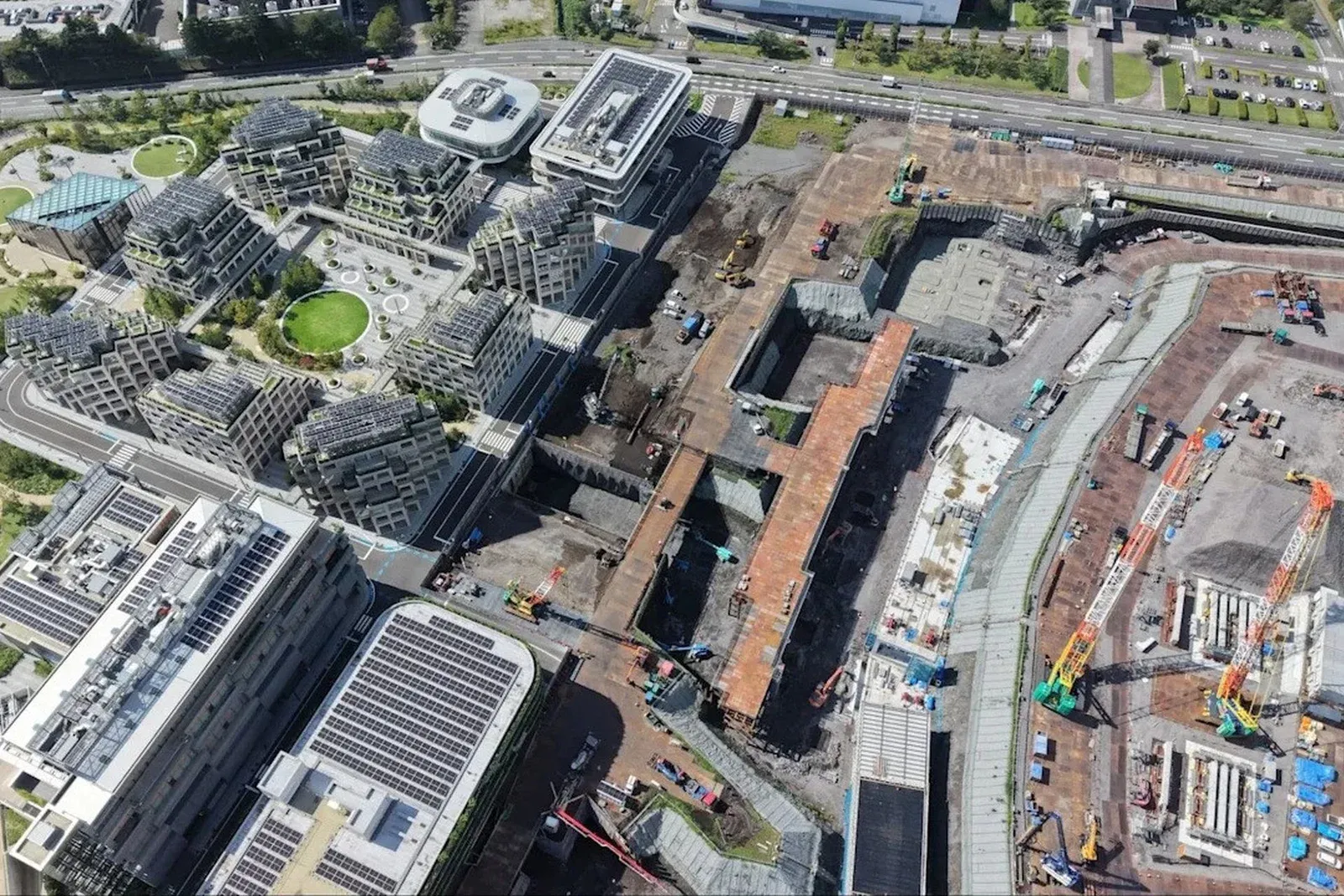
One year after its official opening, Woven City is primarily one thing: a place where new technologies are tested under real-world conditions. Around 30 proof-of-concept projects are currently underway there, carried out in collaboration with residents and partner companies. The insights gained are intended to be directly applied to the further development of products, services, and technologies. In this way, testing and development are seamlessly integrated.
The initiative behind this is Woven by Toyota. The company designed the city as a testing ground for mobility, digital technologies, and new services, continuously expanding its activities there since its inception. A proof of concept is generally used to assess the feasibility of an idea under real-world conditions. In Woven City, this is done not in isolation but in collaboration with residents living there and companies that contribute their solutions.
The projects cover a wide range of topics, from mobility and security solutions to applications in robotics and artificial intelligence, as well as energy supply. This diversity is part of the concept, as the city aims to bring together various fields in one place. Those who conduct testing there are not confined to their own area of focus but operate within an environment where transportation, technology, and infrastructure all play a role.
The operator describes his project as a “living laboratory.” This is based on an approach called Kakezan, which involves combining different strengths and competencies from various industries to create new values. The focus is thus on the interaction of expertise from a wide range of sectors. In this way, the city functions primarily as a platform where ideas are further developed through interaction with real life.
Seven new partners bring fresh ideas
Meanwhile, the innovation ecosystem surrounding the city is growing. Seven more companies are joining the project as so-called “Inventors.” This brings the total number of firms involved in developing and testing new solutions within the city to 31. Together with the residents, they form the foundation of the approximately 30 ongoing projects. Each additional member expands the range of skills that the current initiatives can draw upon, aligning with the concept of Kakezan.
Progress continues even at the technical level. The next generation of the AI solution “Woven City AI Vision Engine” is set to feature enhanced analysis capabilities for real-world traffic and daily life scenarios. The focus is on processes that occur in road traffic and the everyday lives of residents. The goal is to use this foundation to explore new application areas for AI-driven services. Thus, the engine serves as a component of the technological infrastructure, which is continuously expanded alongside other projects.
The further development of analysis techniques aligns with the thematic focus of previous projects. Artificial intelligence is one of the key areas of testing, along with mobility and safety. A more powerful capability for analyzing real situations provides an additional tool in this field.
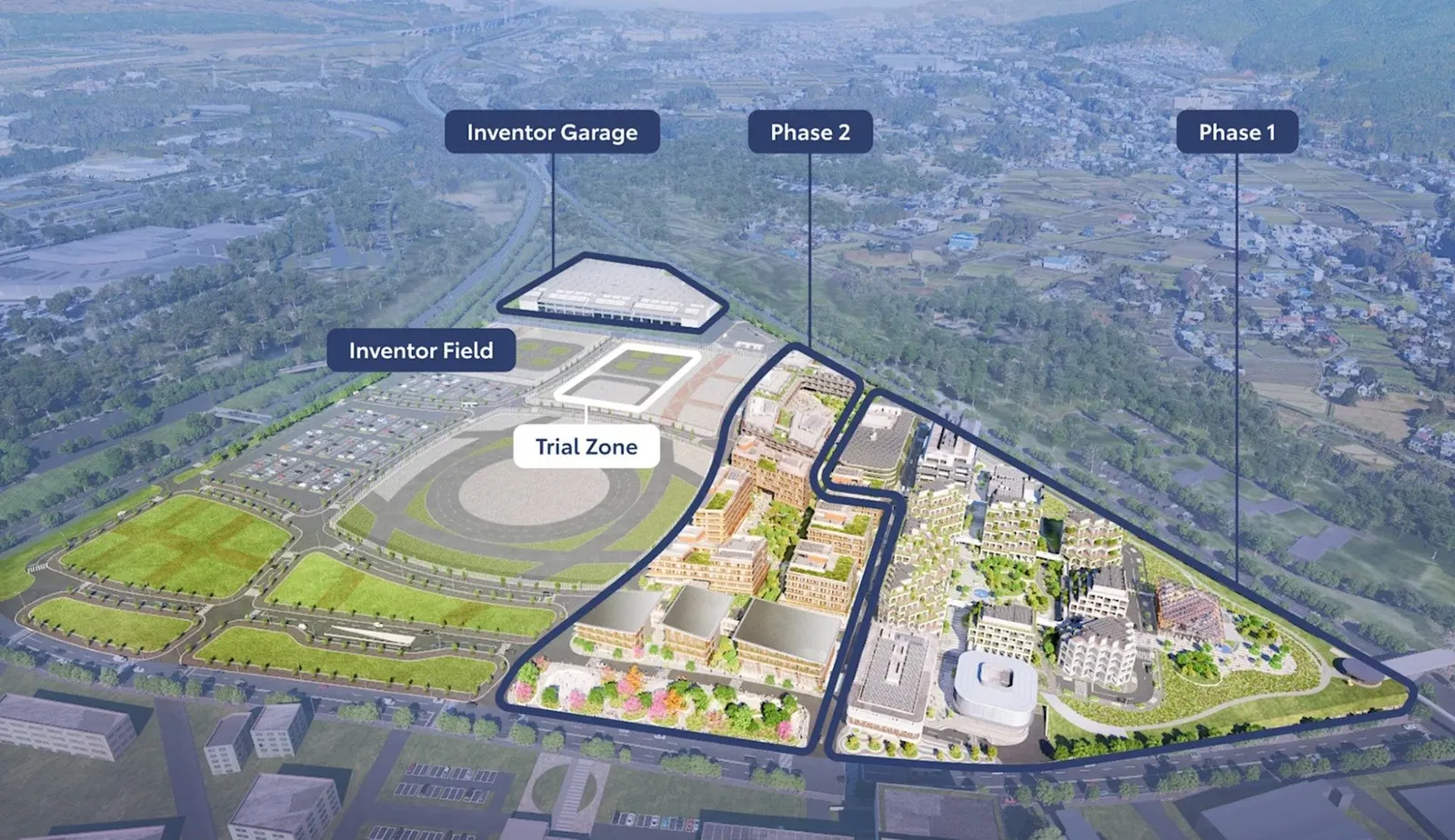
The start of Phase 2 also marks the next stage of development. This expansion creates additional capacity for both residents and further pilot projects. As a result, the project grows not only in terms of the number of initiatives and partners but also in size. In the long term, the city is designed to accommodate around 2000 people.
Source: Toyota – Press release