
High gasoline prices are hitting wallets again. There’s a cheaper option than buying an electric car.
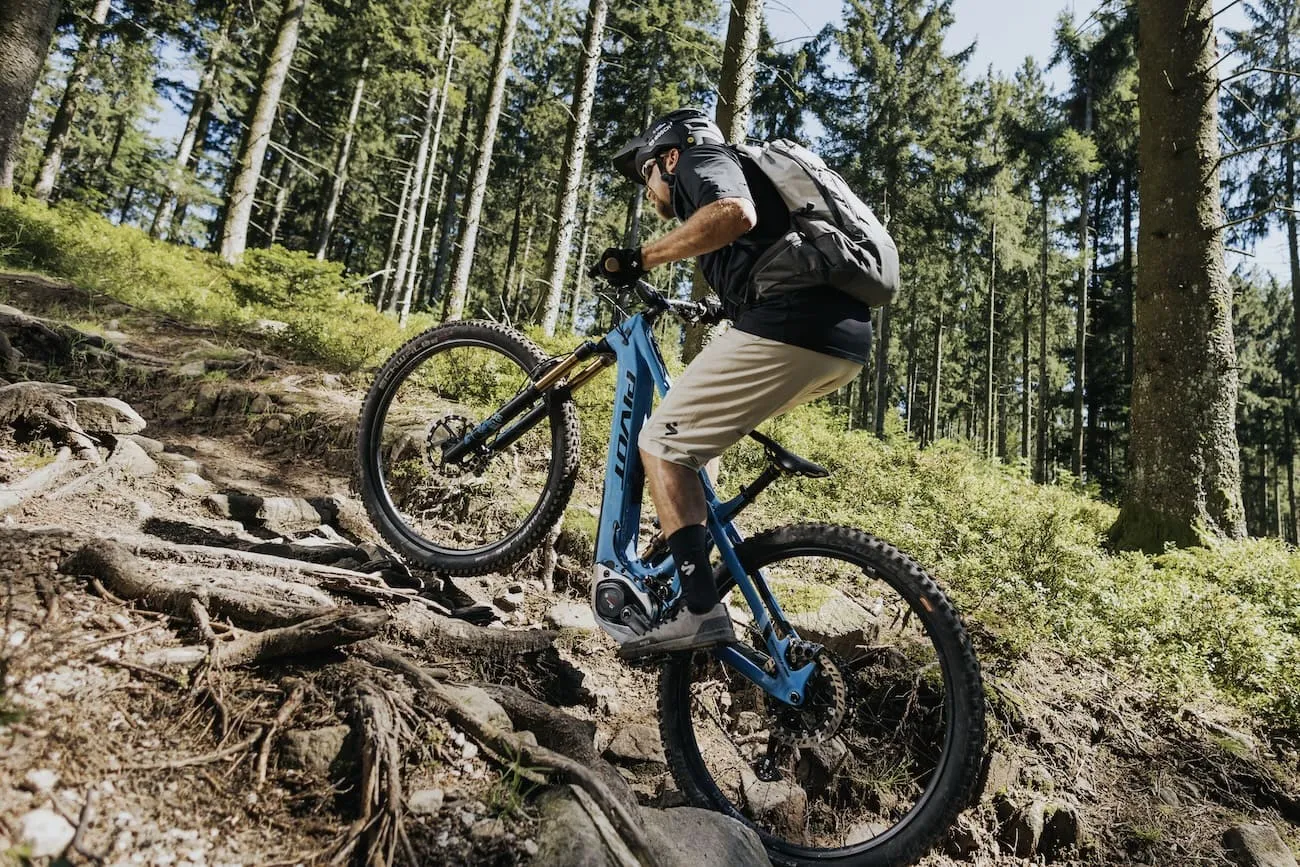
When fuel prices rise, the same advice often comes up: buy an electric car. The problem is that while this is a good solution for many drivers, it’s at the wrong time. Because if someone already has a working gasoline car, spending 120,000–180,000 zł on a new electric vehicle is usually not a “solution” but just another large expense.
Table of Contents
Show
Hide
There is, however, a much cheaper solution that is simply more feasible for a large group of people. It involves electric bikes, electric scooters, and lightweight motorcycles, which can handle a significant portion of daily trips without the cost of refueling—just a few hundred zł per month.
The Problem with the “Buy an Electric Car” Advice
From a cost-of-ownership perspective, an electric car does make sense. Charging is cheaper than gasoline, maintenance is usually simpler, and commuting in the city can cost significantly less than with a gasoline car.
The problem is that this calculation hits a threshold at the point of entry. In Poland, the cheapest new electric cars currently cost around 70-100 thousand zł, while family-oriented and more versatile models quickly reach prices above 130 thousand zł or even higher. The subsidy programs have already ended, so purchases must be made without government support.
For drivers with 8- or 10-year-old gasoline or diesel cars, the question isn’t “Is an electric car cheaper to use?” The question is “Can I afford to replace my car right now?” In many household budgets, the answer is obvious.
A cheaper alternative is closer than many people think
This is where electric bikes and e-scooters come in. Their purchase cost is incomparably lower, and in daily use, they can cover a significant portion of the distances we currently drive by car out of habit.
A good electric bike for city use and commuting can be bought today for 4,000–8,000 zł. Better cargo or trekking models, or those designed for regular year-round use, usually cost 8,000–15,000 zł. This is still a fraction of the price of a new electric car.
If someone needs something faster, the market also offers electric scooters. Reasonable urban models typically start at 10,000–15,000 zł, while more powerful versions for smoother travel on suburban roads can cost 15,000–25,000 zł (or more—sometimes the sky’s the limit). Again, these amounts are much lower than those for buying a car.
Where the Money Really Goes
The biggest mistake many drivers make is comparing only the cost of “refueling” or “charging.” In fact, a car still incurs costs even when it’s parked in front of an apartment building.
With a car, there are also the following expenses:
insurance
service and parts
tires
parking (though this doesn’t apply yet in Poland for EVs in urban SPPs)
regular inspections
repair after accidents
depreciation
With an electric bike, the scale of these expenses is simply incomparable. Yes, it’s necessary to replace brakes, chains, sometimes tires or batteries after a few years. But these are still costs that don’t resemble those associated with owning a car.
Add to this the cost of energy. Charging an electric bike battery usually costs a few dozen groszy, depending on the battery capacity and tariff. Even with daily commutes, the monthly energy cost is minimal. It will be higher for an electric scooter, but still very low compared to gasoline.
A Polish driver doesn’t have to give up a car to save money
This is the most important part of the whole puzzle. In practice, there’s no need to sell the car right away and switch solely to two wheels. For many people, the best option is simply an additional, inexpensive means of transportation.
The car remains for:
longer trips
family outings
very bad weather
emergency situations
The electric bike or scooter takes over for:
commuting to work
shopping in the neighborhood
dropping off a child at school
visiting the gym
quick trips around town
And that’s when real savings begin. If someone reduces car use by even 30-50 percent, fuel costs drop immediately. Additionally, the car wears out more slowly, needs fewer repairs, and covers fewer kilometers.
In Polish cities, this works better than many people think
In Warsaw, Kraków, Wrocław, Poznań, and Gdańsk, a large portion of daily routes are only a few kilometers long. These distances are perfectly suitable for electric bikes. Moreover, during peak hours, this mode of transportation often beats cars in terms of travel time by avoiding traffic jams and parking problems.
In smaller cities, the situation is similar. If someone lives 4-8 km from their workplace, store, or school, an electric bike can serve as a viable alternative to a car for much of the year. Especially since modern models provide such effective assistance that commuting doesn’t mean arriving at the office completely drenched from exertion.
In Poland, weather and infrastructure remain barriers, but they shouldn’t be overemphasized. If a driver returns to their car in winter or during heavy rain, they can still save money for most of the remaining days. It’s not about replacing the car with a bicycle 100 percent of the time; partial replacement is sufficient.
What about rain, winter, and safety?
These are the most common counterarguments, and some of them are entirely valid. Not every trip can be conveniently made by electric bike. Not every route is safe. Nor does everyone have the conditions to store and charge their equipment.
But it’s worth looking at this practically. If electric bikes or scooters can replace cars for 200 days a year, the savings will still be significant. A rainy November doesn’t invalidate the entire idea.
In the case of an electric scooter, there is also a requirement for a driving license of the appropriate category depending on the vehicle class, as well as the need to reasonably assess routes. This solution is more suitable for those who know how to use it. On the other hand, electric bikes have a much lower entry barrier and are simply more versatile in urban areas.
The most interesting scenario? Renting a car instead of owning one permanently
There is another model that remains underestimated in Poland. If someone uses a car mainly occasionally, sometimes an electric bike for daily use and renting a car when it’s truly needed is a better option.
A weekend trip, visiting family, vacation, or making larger purchases at a hardware store. In such situations, one can rent a car or use carsharing where it’s still available. This solution may not work for everyone, but in a large city it can often be much cheaper than maintaining one’s own car throughout the year.
Let’s do some sensible math. Even a few rentals per year can cost less than the mandatory insurance, maintenance, and basic repairs for a private car. If the car sits most of the week, the cost becomes quite interesting.
Electric cars are a good option, but not always as the first step
Electric cars still make sense. Especially when someone is already planning to replace their car, drives a lot, and has a place to charge it. In that case, switching from gasoline or diesel to electricity can be very cost-effective economically.
But with rising fuel prices, for many households a much cheaper option would be a far better first step. Instead of replacing the entire car, one can change the way some daily trips are made.
And here, electric bikes win on simplicity. They cost little compared to cars, charge for almost nothing, require no major financial decisions, and can quickly reduce visits to gas stations. In many cases, they are today the cheapest way to “electrify” daily commutes.
In Polish realities, this topic will become increasingly relevant. Cheap fuel won’t last forever, new cars are expensive, and cities are increasingly favoring smaller modes of transportation. Therefore, the question is no longer just “Should I buy an electric car?” but also “How many of my daily routes actually require a car?”
What about you guys? If fuel prices rose sharply again, would you choose an electric car, an e-bike, an e-scooter, or stick with a regular car?