
CATL says its modular TECTRANS II battery platform offers up to 1,000 km of range
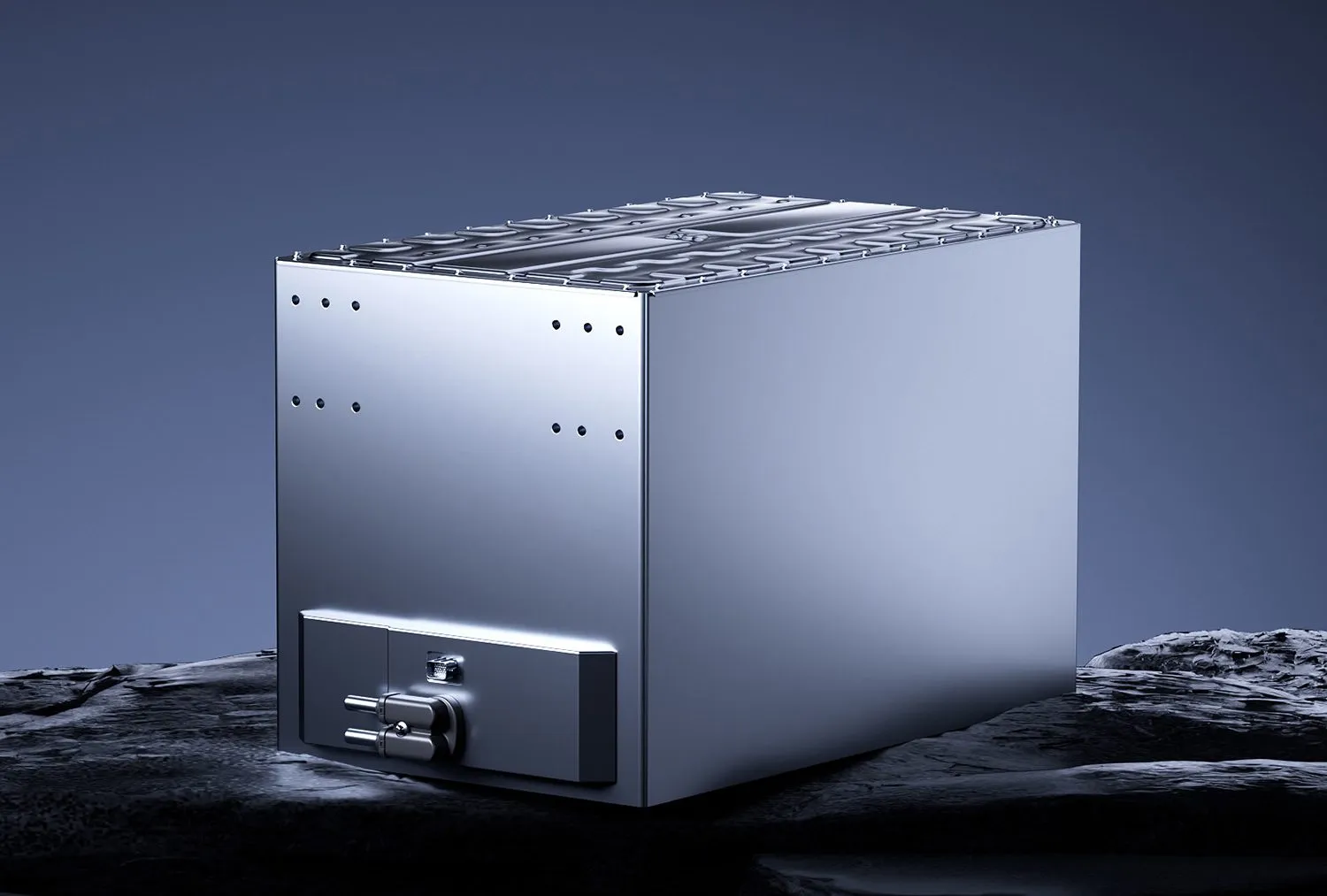
CATL has unveiled TECTRANS II, a commercial vehicle battery platform built around standardized packs that can be combined in different numbers to set a vehicle’s energy capacity and payload. The largest configuration supports a driving range of up to 1,000 km, according to the company. It follows the first TECTRANS system, which CATL introduced in 2024.
The platform standardizes external dimensions, electrical interfaces and communication protocols while leaving battery technology and pack design free to change. CATL says that arrangement lets both new and existing vehicle models take later upgrades without major changes to the vehicle platform. It works with both e-axle and central-drive architectures and allows switching between charging and battery swapping. The modular approach helps OEMs shorten vehicle development cycles and cut R&D costs, according to CATL.
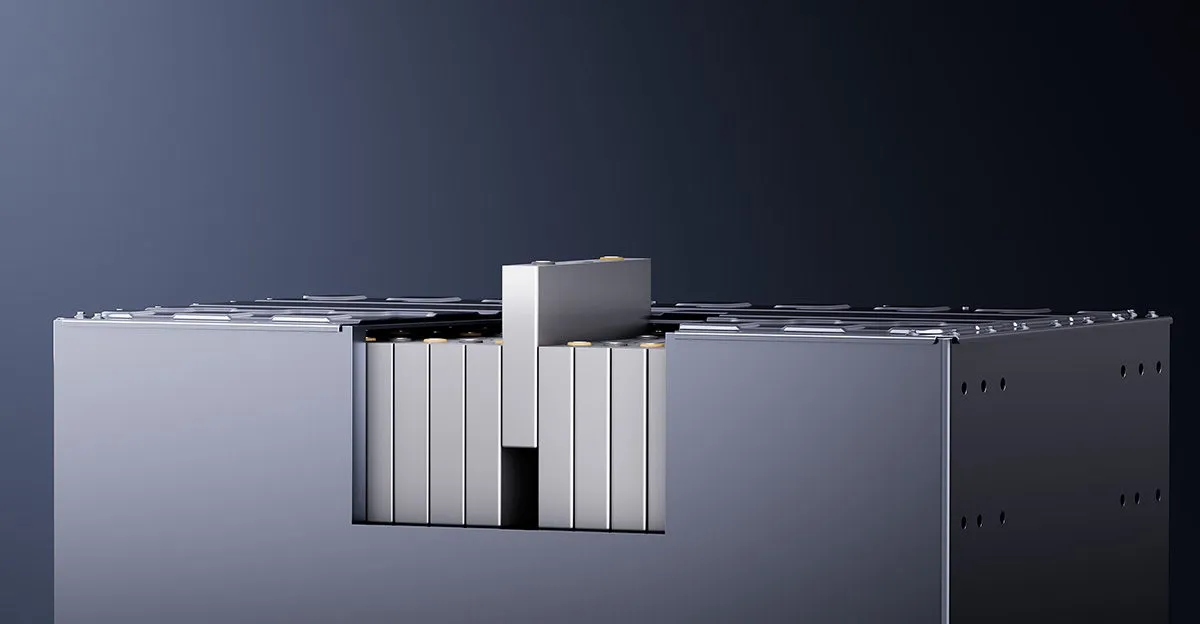
The battery reaches a specific energy of 170 Wh/kg, which CATL says is around 13% above the industry average. A full-tab low-impedance design enables 96% system round-trip efficiency.
The heavy-duty truck version is engineered for a 12-year, 1.5-million-kilometer service life with 70% capacity retention. A hot-formed steel upper cover withstands a 180 kg adult stepping on it 10,000 times without deforming, CATL says, and the bottom plate is rated for 1,000 J of impact. An extruded-aluminum enclosure with crush-resistant ribs gives lateral crush strength of up to 250 kN, and corrosion resistance is rated at 15 years. Validation included full-vehicle torsion and external fire testing.
Multi-branch independent BMS control lets the system isolate a failed branch while the remaining branches keep supplying power. Insulation fault-location technology can tell whether an insulation fault originates in the battery or elsewhere in the vehicle. The pack keeps IPXXB protection against finger contact with live parts whether the main connectors are mated or disconnected.
CATL also signed a memorandum of understanding with DHL Group at IAA Transportation in Hanover to develop Green Freight Corridors across Europe, extending a September 2024 agreement between the two companies. They plan to work with OEMs and other partners to co-develop purpose-built electric vehicles and run pilot deployments.