
BYD is preparing for a major expansion of production in Europe
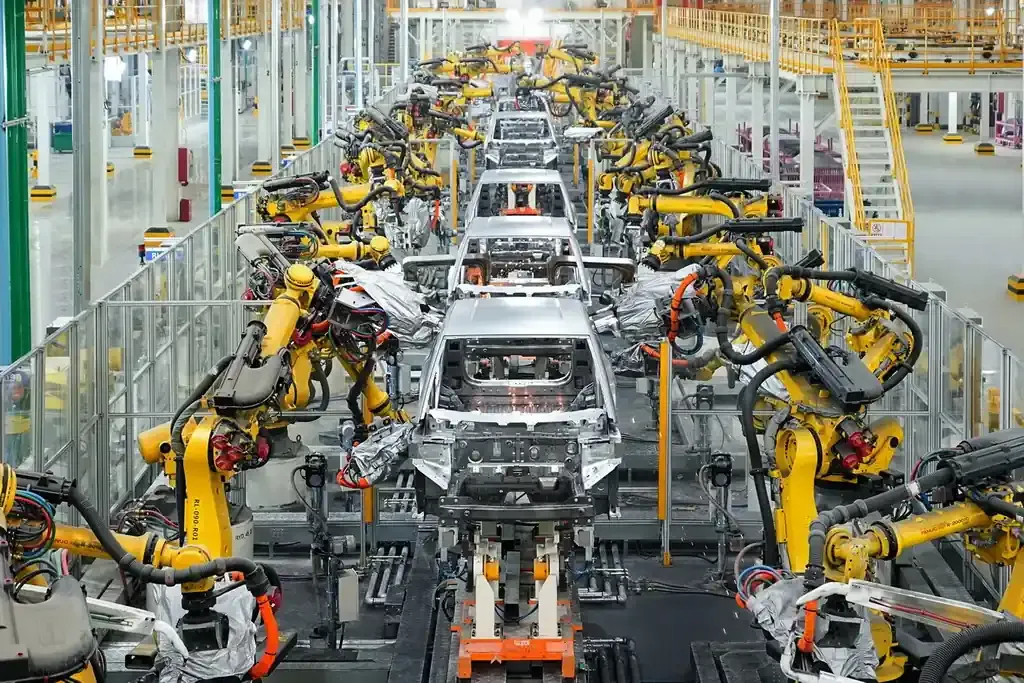
Chinese automaker BYD officially announced the establishment of a global manufacturing network within the EU. According to the company’s European operations advisor, Alfredo Altavilla, the brand will need three car assembly plants and one large battery production facility in the long term. This move will allow the Chinese manufacturer to avoid high import tariffs on finished vehicles from China. The company plans to finalize the location for its second manufacturing site by the end of this year.
The first production facility for the brand is a newly built plant in Hungary’s Szeged region, where trial vehicle assembly has already begun. Full-scale mass production at this site is set to start in November or December with a planned capacity of 200,000 vehicles per year. BYD’s management is in talks with governments and local automakers in Spain, France, and Italy to locate the remaining factories. The company is also considering purchasing and modernizing existing automobile plants that are not fully utilized, to avoid spending time on construction from scratch. Meanwhile, the project for a plant in Manisa, Turkey, with an annual capacity of 150,000 vehicles has been suspended indefinitely.
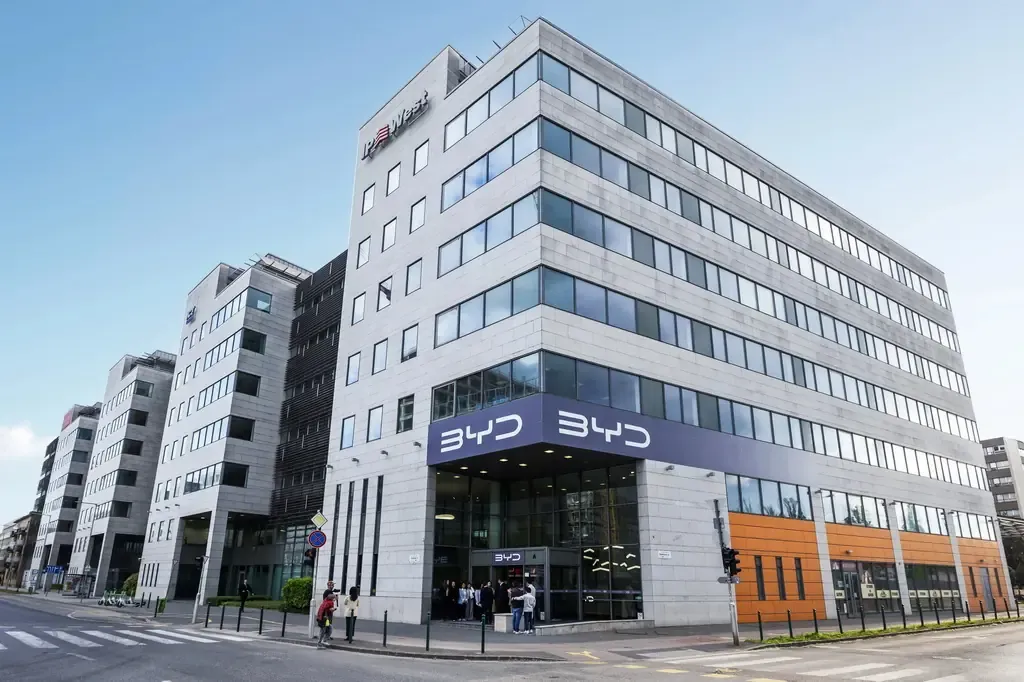
This level of activity in overseas markets is driven by a sharp shift in the group’s sales structure. In China’s domestic market, demand for BYD models dropped by 32.7% this year, settling at 1.505 million units. However, the company aims to close the current year with a record export volume of between 1.9 and 2.0 million vehicles.
AC Background
BYD (Build Your Dreams), founded in 1995 by chemist Wang Chuanfu as a small company producing nickel-cadmium batteries for mobile phones, has pursued a unique path of development. The firm entered the automotive market only in 2003 by acquiring the bankrupt state-owned Xi'an Qinchuan Automobile factory.

In just two decades, the company has become the world’s largest manufacturer of eco-friendly vehicles, completely phasing out gasoline cars by 2022. BYD’s main advantage lies in its ability to produce over 75% of the components for its electric cars itself, including microchips, onboard software, transmissions, and its unique lithium-iron-phosphate Blade Batteries.