
BMW i3 50 xDrive in Test: “Joy of Driving” on Electricity
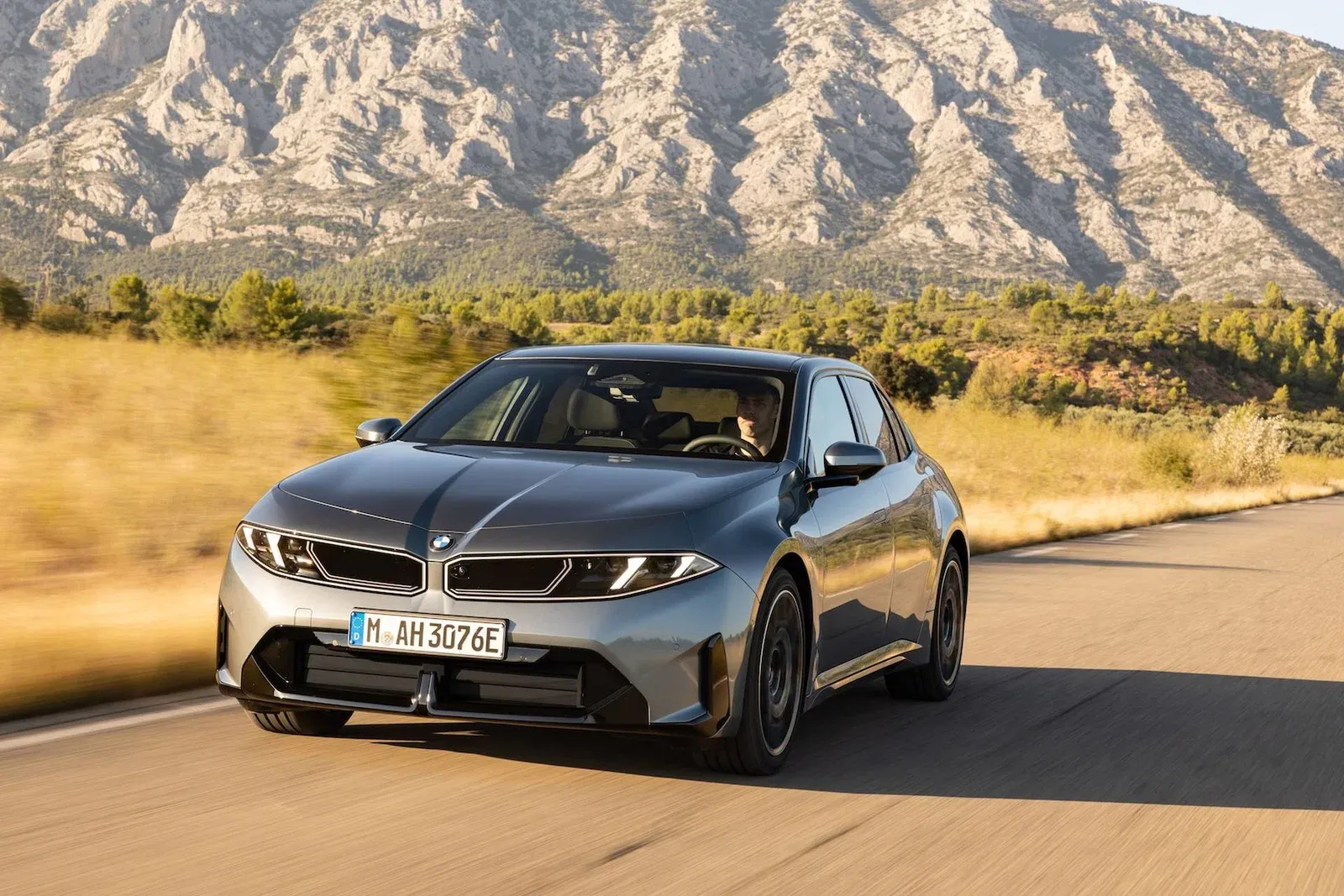
Although X-models now account for the majority of brand sales, for many BMW fans, the three-door car remains the heart of this Bavarian automaker. For the first time, this mid-size sedan is also available with a pure electric drive — and it is known as the BMW i3 50 xDrive.
The name alone shouldn’t deceive anyone, as the new i3 has little in common with the polarizing electric cars of the early 2010s beyond a power outlet. BMW still allows its loyal customers to choose the drive type — well, almost. The diesel option has been completely removed from the three-door model, which is particularly disappointing for many customers in Europe. Those who have previously trusted diesel engines are now expected to make the big leap to electric vehicles right away. The reason lies in long-distance performance, as a nearly 109 kWh battery pack under the floor ensures a WLTP range of up to 910 kilometers between charges.
Those who do the math are initially surprised: 108.7 kWh divided by the standard consumption of 13.4 kWh per 100 km yields only about 810 kilometers. This is due to the measurement method—the WLTP consumption is determined at the charging station and thus includes charging losses, that is, the energy lost between the grid and the battery during charging. Consequently, the i3 consumes less power when operating from the battery, which explains its higher range. While it has low operating costs and a charging turbo of up to 400 kW, the actual consumption is lower, as even at high speeds on highways or in extremely cold winters, 900 kilometers is little more than a developer’s dream.
At 345 kW, on par with the M3
Yet even the current top model of the BMW i3 50 xDrive should be able to cover over 500 kilometers under all conceivable real-world conditions in everyday use. And those switching from a diesel vehicle will notice a significant difference not only due to the new refueling process compared to their previous 320d or at best 340d. The i3 50 xDrive is not only an absolutely necessary all-wheel-drive vehicle but also offers a power output of 345 kW / 469 horsepower, a range previously only available in the sporty M3 version.
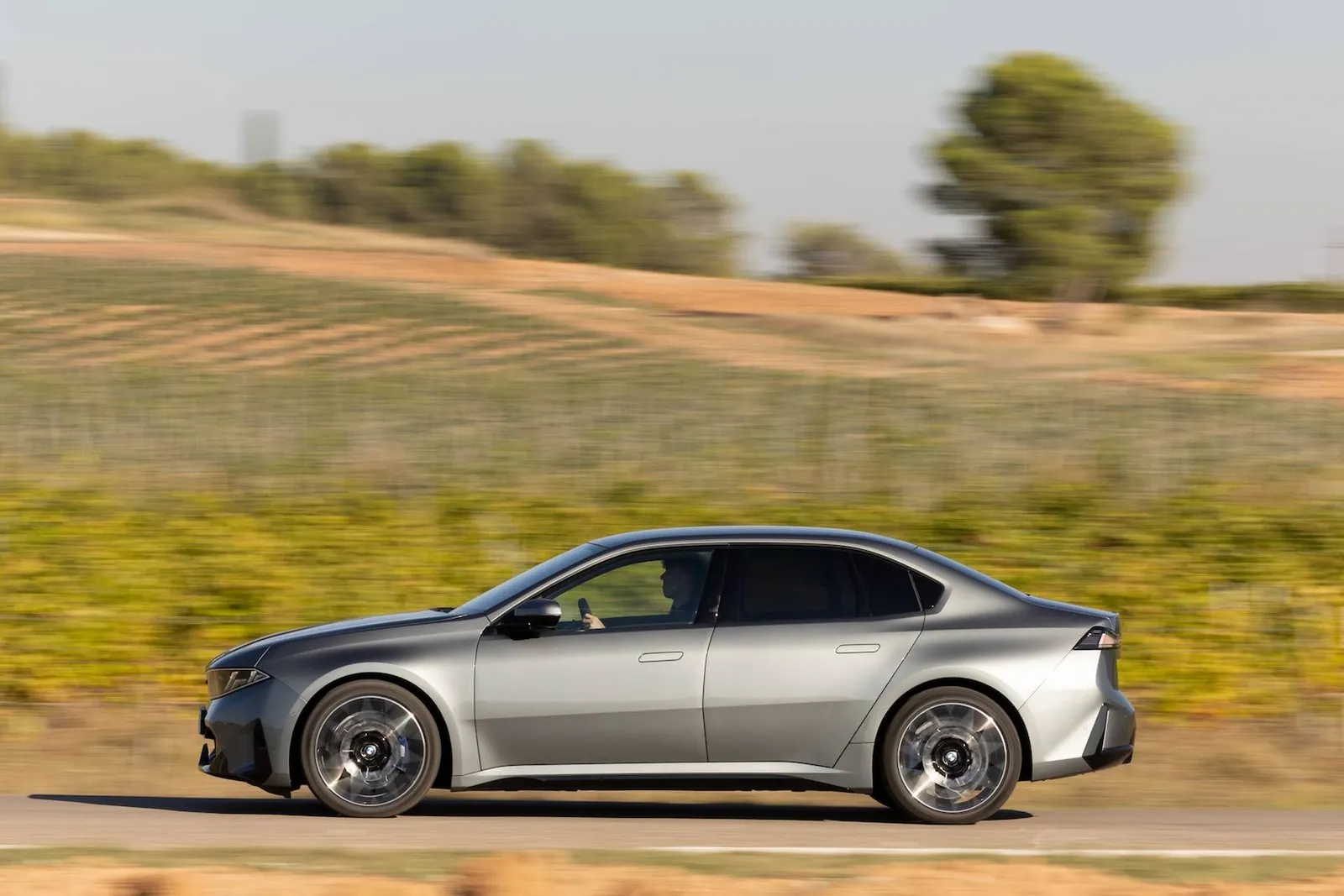
Admittedly, the electric three-seater falls short with a disappointing top speed of 210 km/h, and the 450 horsepower as well as a maximum torque of 645 Nm are equally absurd. Nonetheless, the thrust delivered by this 4.76-meter-long four-door vehicle is quite impressive. The engines are whisper-quiet, and the sound insulation provides cruising comfort that few higher-class five-seaters have offered before.
The electric three-seater can be driven with great ease and relaxation, but despite its 2.3-tonne curb weight, it should not be underestimated in terms of dynamics, as the two electric modules—an asynchronous motor at the front and a synchronous motor at the back—provide tremendous thrust at any speed. This results in immense driving pleasure on winding country roads, and the old Bayern slogan is more present in the driver’s mind than ever—even when powered by electricity.
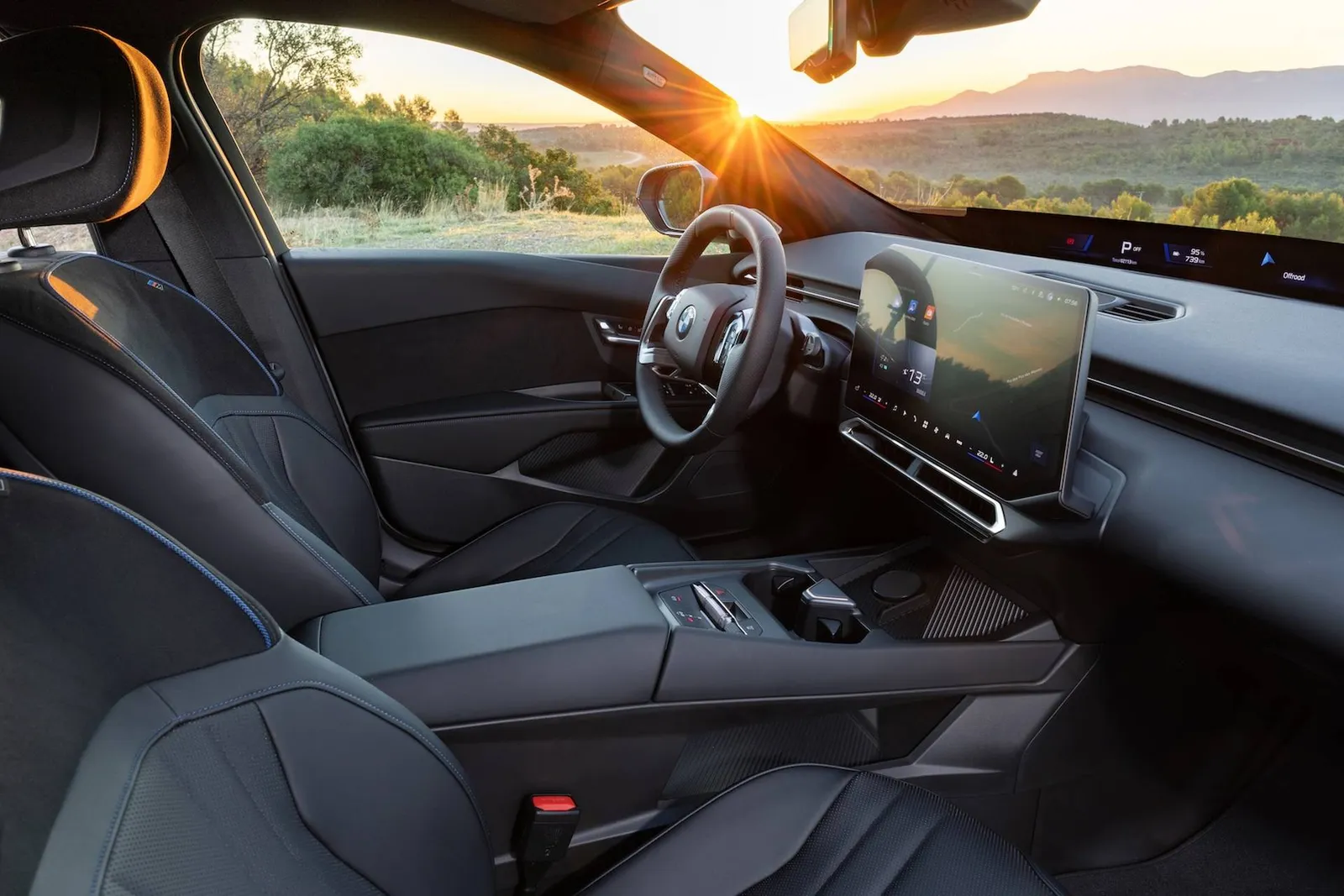
The precise steering, which can be finely adjusted, is only undermined by the less convincing leather steering wheel. Admittedly, it feels better in the hand than it looks, but with its functionally illuminated control modules, it appears overloaded and far from intuitive. Munich-based manufacturers have done better in this regard so far.
BMW fans need to rethink their approach to controls
Admittedly, newcomers will need time to adjust to the new concept featuring a narrow panoramic display, central touchscreen, and clear head-up display. BMW fans would be lying if they said they don’t miss the previously excellent instruments at the steering wheel. The same applies to seats, navigation, and comfort features. Control through the limited control panels in the doors is only mediocre at best, with everything else handled via the touchscreen, which has confusing sub-items. Fortunately, the menu offers quick access options and a very reliable voice control system. Still practical is the well-known highway assistant, which allows hands-free driving up to 130 km/h in 21 countries as long as the driver keeps their eyes on the road.
New assistance features are already planned for next spring, with direct door-to-door navigation likely to be added via a software update as well. For those who find the electric standard seats in the Dreier insufficient, they can significantly enhance comfort with upholstered multifunctional or sports seats. Available only at an additional cost are rear seat heating, electronic shock absorber tuning, or a Harman Kardon sound system.
Charging is the bottleneck, not the car
As well as the BMW i3 50 xDrive handles steering, braking, and acceleration while giving a great sense of the road ahead, its charging performance is equally impressive. Those who find a sufficiently powerful fast-charging station can quickly recharge the 108.7 kWh battery module located under the floor. Up to 400 kW of power can flow through the connector. In this case, it’s more likely the charging station that becomes the bottleneck rather than the car itself.
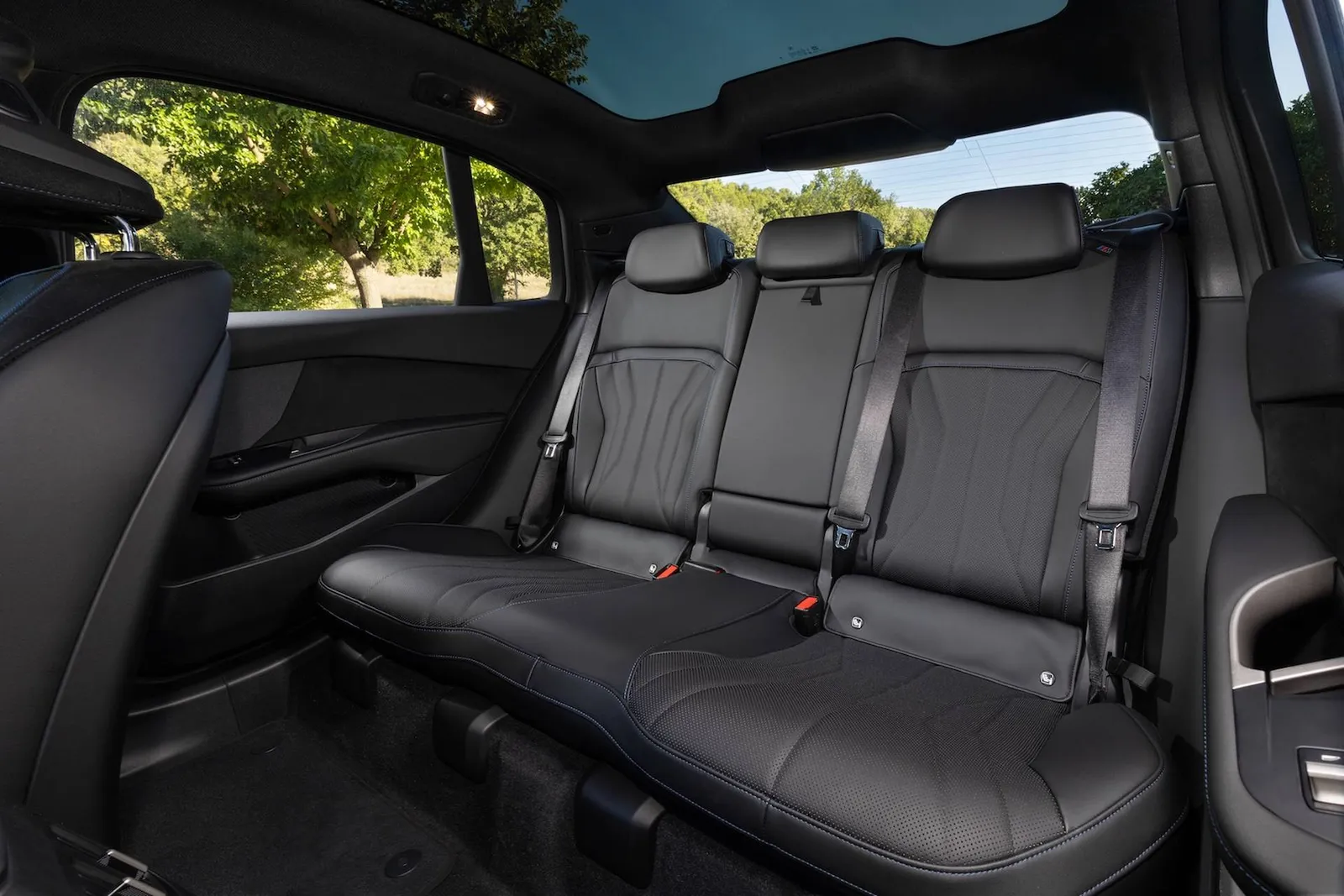
At home at the charging station or in the city, AC outlets provide up to 22 kW of power. For those who find the BMW i3 50 xDrive, which costs at least 65,900 euros, too powerful or expensive, the smaller i3 40 xDrive is recommended—it also offers all-wheel drive starting at 62,550 euros. With 275 kW / 374 horsepower and a battery pack of 83 kWh, it achieves a WLTP range of over 700 kilometers. Both models come equipped with a 420-liter cargo space and a 31-liter glove compartment.