
Battery Thermal Management by Design: How Advanced Materials Are Enabling the Next Generation of EV Batteries
Sponsored by H.B. Fuller
As electric vehicles evolve, battery design is undergoing a fundamental transformation.
Automakers are under pressure to deliver greater driving range, faster charging, lower costs, improved safety, and more sustainable manufacturing practices, all within the same battery system. Achieving those objectives requires more than advances in cell chemistry alone. Increasingly, innovation is coming from battery architecture and the materials that make those architectures possible.
The shift from traditional cell-to-module designs toward cell-to-pack and cell-to-chassis configurations illustrates this trend perfectly. These next-generation battery designs maximize energy density and reduce weight, but they also introduce new challenges for structural integrity, thermal management, and thermal runaway protection. Solving those challenges has elevated advanced adhesives, sealants, and flame-retardant foams from supporting materials to critical performance enablers.
The Evolution of EV Battery Design
For many years, EV batteries followed a cell-to-module architecture. Individual cells were assembled into modules, and multiple modules were then integrated into a battery pack mounted within the vehicle.
This approach offered several advantages, particularly repairability. Faulty modules could be replaced without disassembling the entire battery system, helping reduce vehicle downtime. However, module casings add weight, consume valuable space, and increase manufacturing complexity.
To improve efficiency and range, manufacturers have increasingly adopted cell-to-pack designs. By removing module housings and integrating cells directly into the pack, battery systems become lighter and can accommodate more active material within the same footprint. The result is improved energy density and longer driving ranges.
The next step in this evolution is cell-to-chassis design, in which battery cells become an integrated structural component of the vehicle. This architecture further reduces weight and manufacturing complexity while maximizing space utilization. However, it also places greater demands on the materials that hold the battery together.
As battery structures become more integrated, materials must perform multiple functions simultaneously: providing structural support, managing thermal loads, isolating electrical components, and helping maintain safety under extreme conditions.
Why Thermal Management Has Become a Design Imperative
Higher energy density offers clear benefits for vehicle performance, but it creates a significant thermal challenge.
As cells are packed closer together and power demands increase, more heat is generated during charging and operation. Excessive heat can accelerate battery degradation, reduce efficiency, and increase the risk of thermal runaway events. Maintaining stable operating temperatures is no longer simply an engineering consideration. It is a foundational requirement for battery performance, reliability, and safety.
This reality is driving demand for new thermal management strategies and materials capable of transferring heat efficiently, protecting sensitive components, and containing failures should they occur. Adhesives and encapsulation materials are increasingly expected to contribute to this function while maintaining structural performance.
The Expanding Role of Flame-Retardant Foams
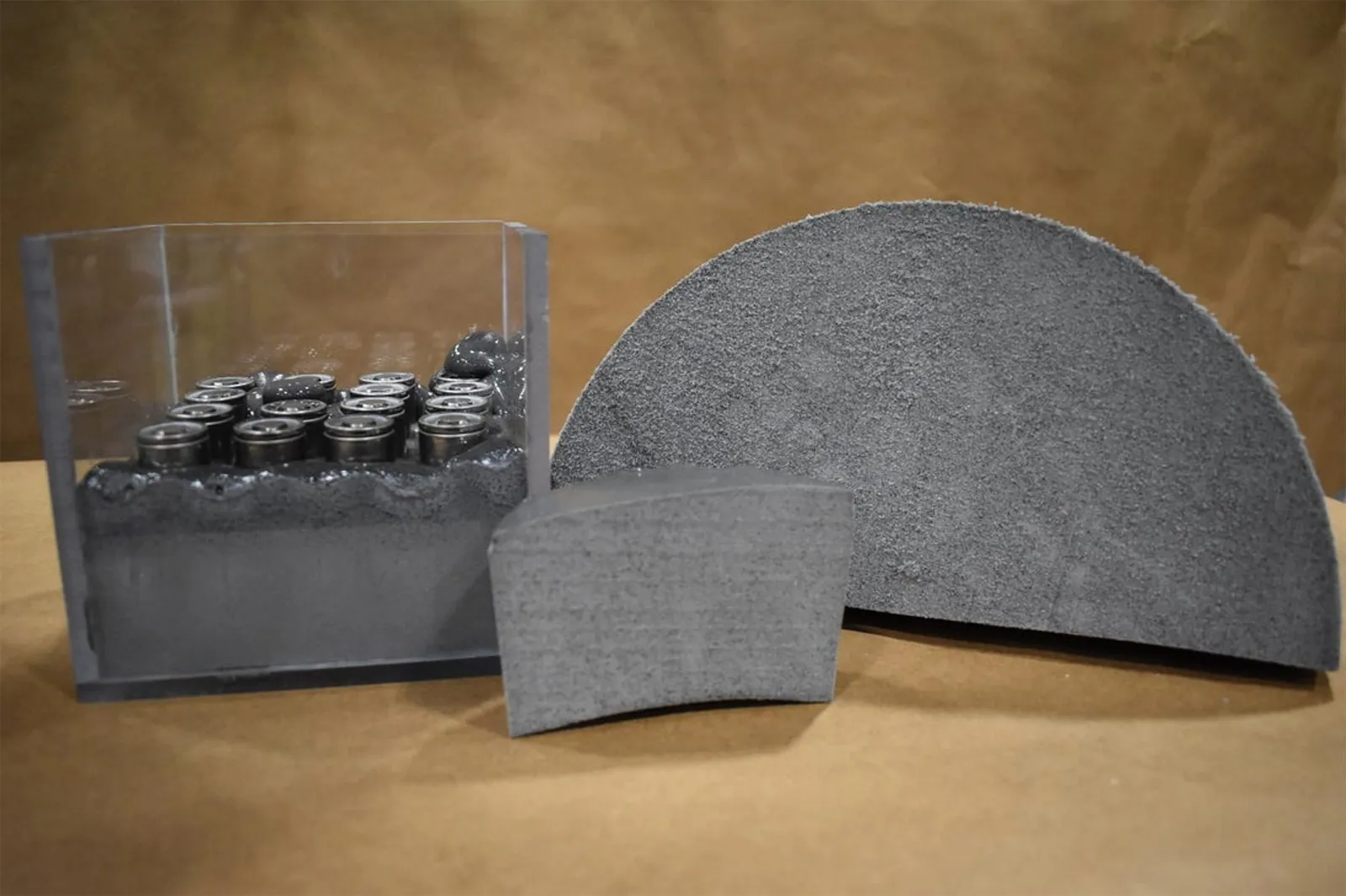
Among the materials seeing growing adoption are structural flame-retardant foams.
Originally viewed primarily as safety materials, these foams now play a much broader role in battery design. They help manufacturers achieve lightweighting objectives by replacing heavier mechanical supports and plastic components while simultaneously providing structural reinforcement throughout the battery assembly.
In advanced battery architectures, flame-retardant foams can serve multiple functions:
Mitigating thermal runaway propagation between cells
Reducing battery weight
Providing structural support
Improving vibration resistance
Enhancing thermal insulation and temperature uniformity
Simplifying battery manufacturing processes
For OEMs pursuing cell-to-pack and cell-to-chassis configurations, these benefits become especially valuable. By enabling the removal of mechanical components while maintaining battery integrity, structural foams help unlock higher energy density without compromising safety.
Beyond Compliance: The Importance of Thermal Runaway Protection
For battery designers, thermal runaway mitigation has become one of the most important criteria when selecting battery materials.
As battery systems become more energy dense, containing thermal events within a single cell is essential. High-performance flame-retardant foams are specifically engineered to slow or prevent thermal propagation, helping ensure that a localized event does not spread throughout an entire battery pack.
Flammability performance standards such as UL94 provide important benchmarks for evaluating material effectiveness. Achieving a V-0 rating demonstrates a material’s ability to self-extinguish rapidly and minimize flame spread, providing battery manufacturers with increased confidence in overall system safety.
As regulators, automakers, and consumers place greater emphasis on battery safety, materials that actively contribute to thermal protection are becoming a competitive differentiator rather than simply a compliance requirement.
Designing Batteries for the Future
The future of electrification extends well beyond passenger vehicles.
Battery energy storage systems (BESS), commercial transportation fleets, off-highway equipment, heavy trucks, and emerging electric aviation applications all face similar challenges: balancing performance, safety, weight, and durability. While each application has unique requirements, all benefit from materials that can provide structural performance while supporting thermal management and fire protection.
As battery technologies continue to evolve, manufacturers will increasingly need partners who understand not only materials, but how those materials interact within an integrated battery system. Early collaboration between battery designers and materials experts can help optimize designs, accelerate development timelines, and avoid costly production challenges later in the process.
A Material-Centric Approach to EV Innovation
The next generation of EV performance will not be defined by battery cells alone.
It will be shaped by how effectively manufacturers integrate advanced materials into battery designs that are lighter, safer, more thermally efficient, and easier to manufacture at scale. From structural adhesives and thermal interface materials to flame-retardant foams and thermal propagation barriers, material innovation is becoming a key driver of battery innovation.
As the industry accelerates toward higher-performance battery systems, thermal management by design is no longer optional. It is a prerequisite for the future of electrification.
Not All Foams (and Foam Providers) Are Created Equal
The flame-retardant foam you choose for your BESS, eVTOL, or EV batteries depends on your needs. And picking your foam provider depends on expertise, product performance, and support. H.B. Fuller offers a wide range of flame-retardant foams to customers across Europe, Asia, and the United States.
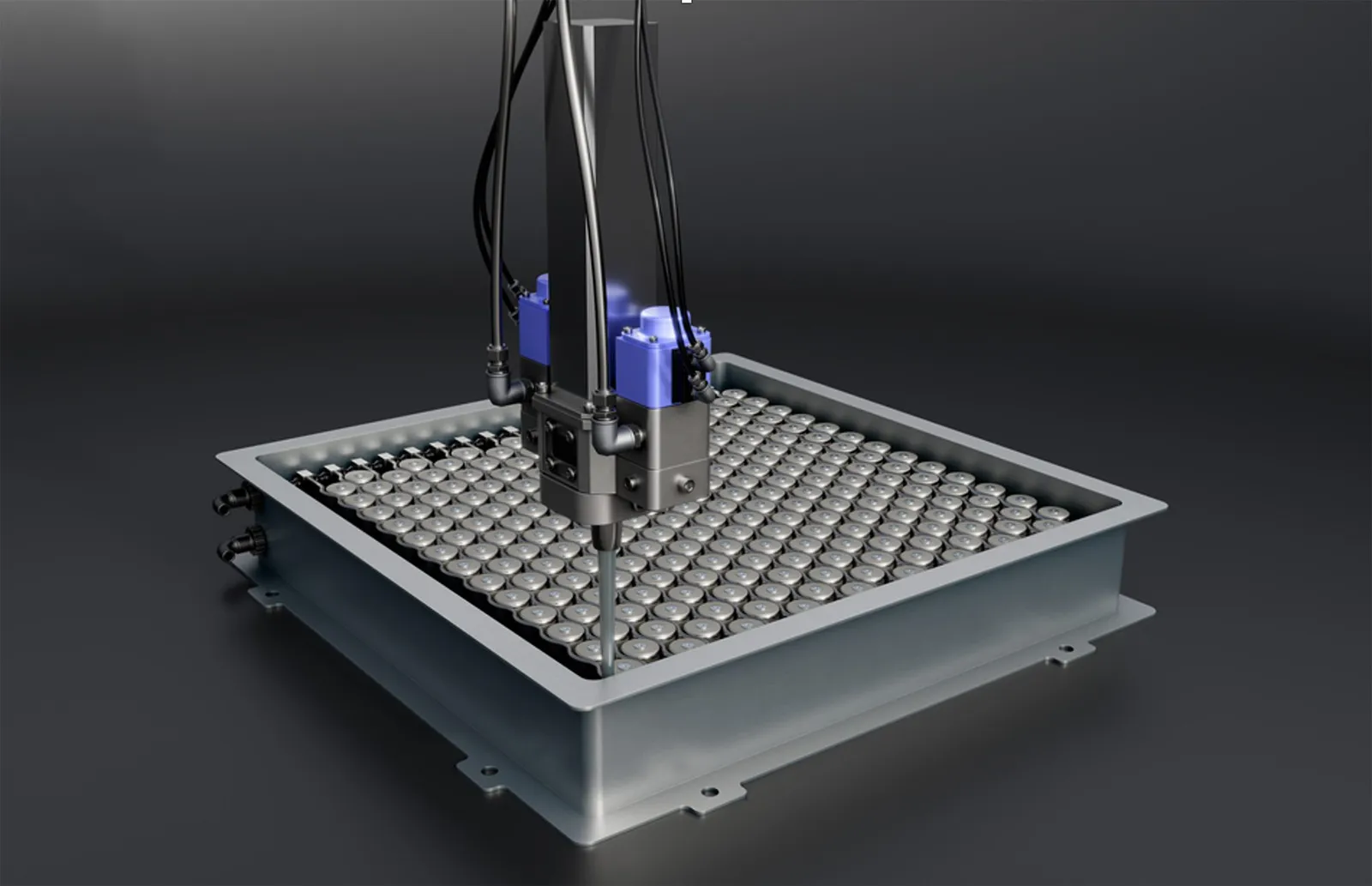
In the United States, flame-retardant foams include:
H.B. Fuller EV Protect 4006: Semi-structural foam minimizes battery weight, protects from thermal propagation, and provides noise, vibration, and harshness resistance.
H.B. Fuller EV Protect 5008: Structural foam with enhanced support. Designed for parts and components in batteries and EVs.
H.B. Fuller EV Protect 5009: Highly structural foam allowing manufacturers to reduce or replace traditional structural components. Ideal for cell-to-chassis designs
H.B. Fuller collaborates with battery manufacturers, OEMs, and system integrators worldwide to develop adhesive, sealing, thermal management, and flame-retardant solutions for next-generation electric mobility and energy storage applications.
Learn more at hbfuller.com/electric-vehicles.
Comment
Create Account. Already Registered? Log In
Virtual Conference on EV Engineering: Free to Attend
Don't miss our next Virtual Conference on September 14-17, 2026.
Register for the free webinar sessions below to reserve your spot and watch them live or on demand.
LOAD MORE SESSIONS