
Greater Bay Technology begins all-solid-state cell production on a converted Li-ion line
EV Engineering News
Posted October 26, 2026 by Chris Ruoff & filed under Newswire, The Tech.
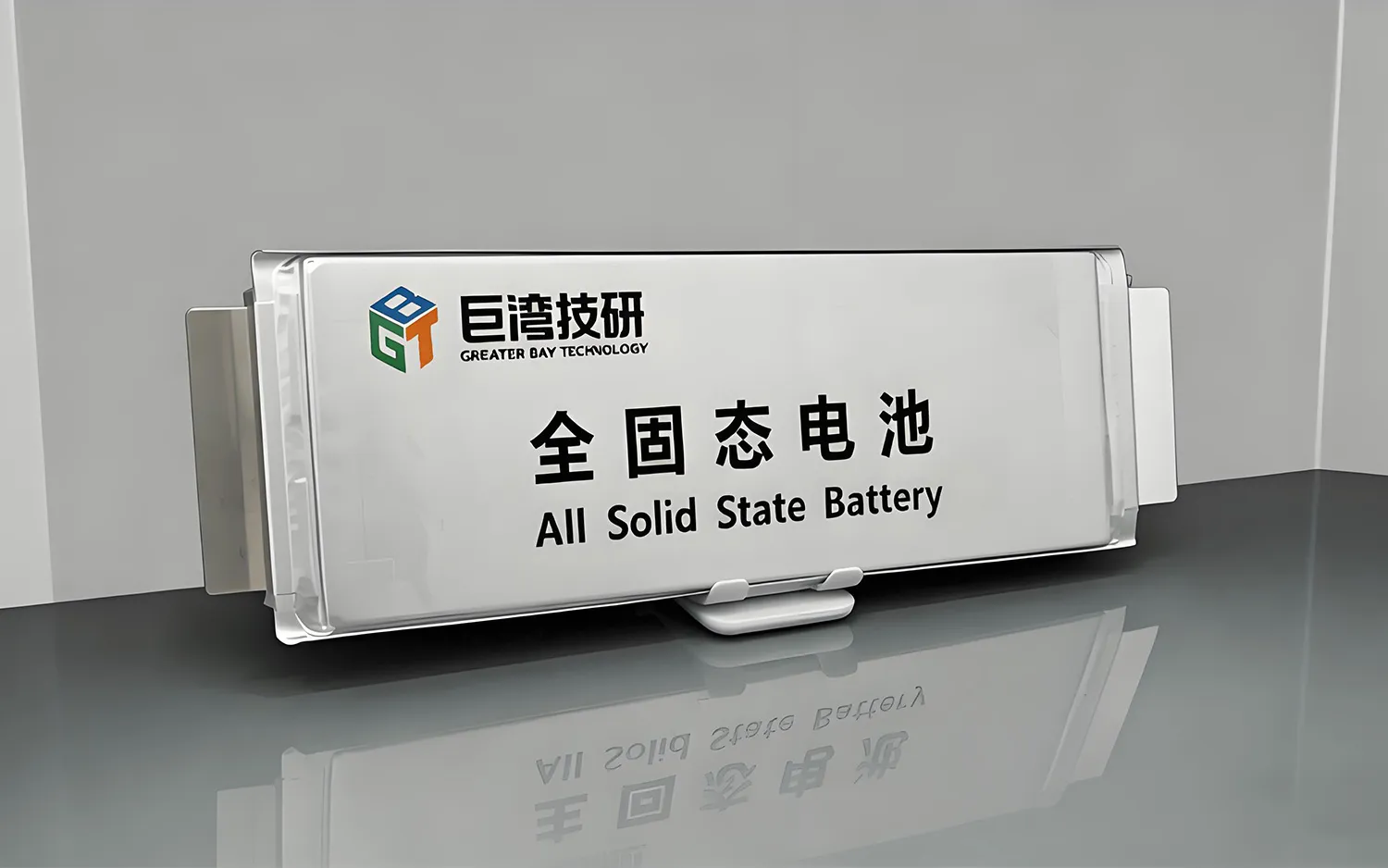
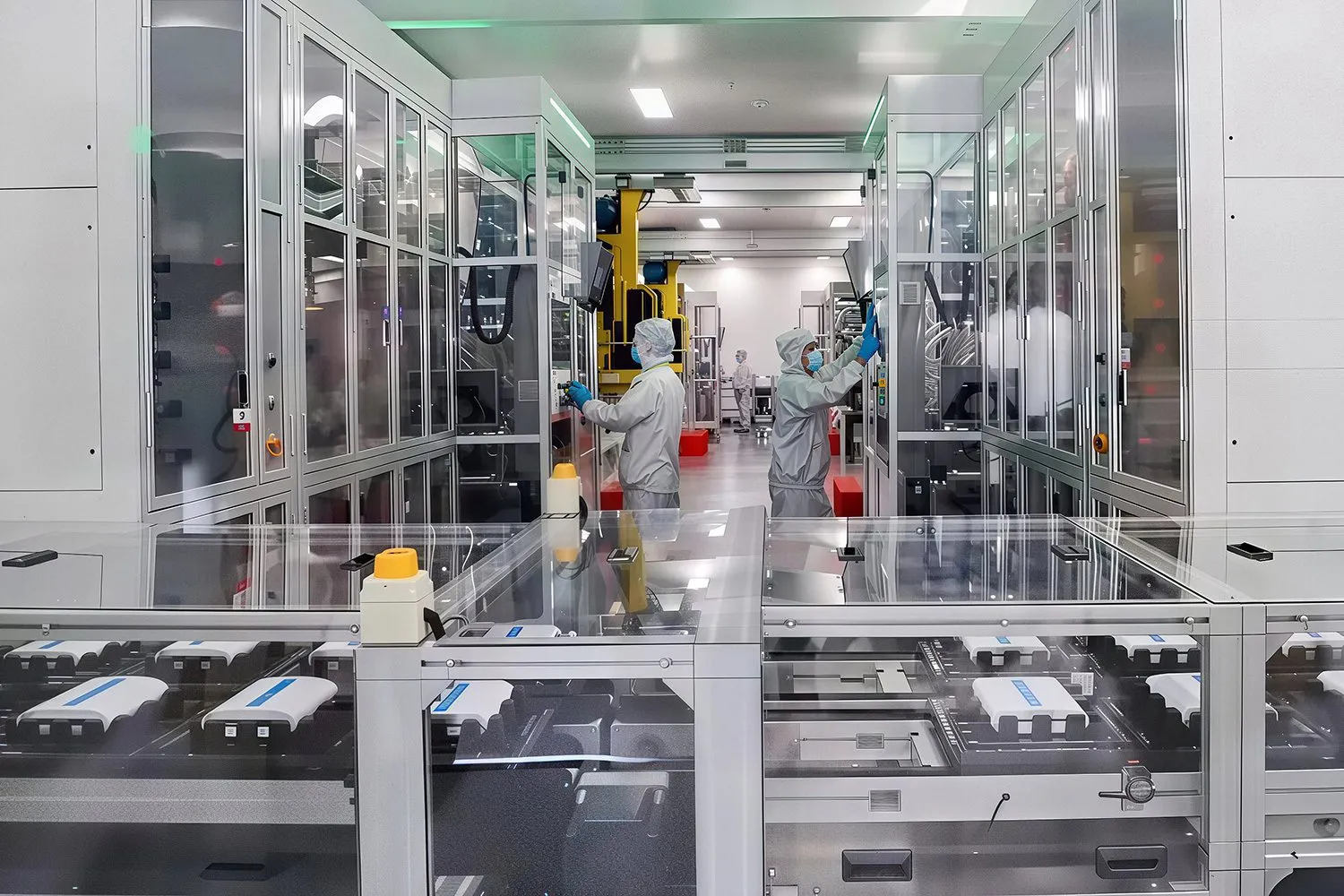
Battery developer Greater Bay Technology (GBT) has begun series production of all-solid-state battery cells at its plant in Nansha, Guangzhou, on 1 GWh of converted lithium-ion capacity.
China has published GB/T 48093.1-2026, a standard that defines a solid-state battery. Under the standard, an opened cell is baked for six hours in a vacuum at 120° C and must lose less than 0.5% of its mass. Cells with a meaningful share of liquid electrolyte do not pass. GBT says its two production cells met every requirement of the standard in testing by the National Power Battery Innovation Center. .
GBT says its platform supports specific energy of 260 to 480 Wh/kg across generations. The first generation uses automotive-grade pouch formats and established electrode materials so that the cells can be qualified in vehicle programs. Higher-energy generations with lithium-metal anodes will follow on the same platform.
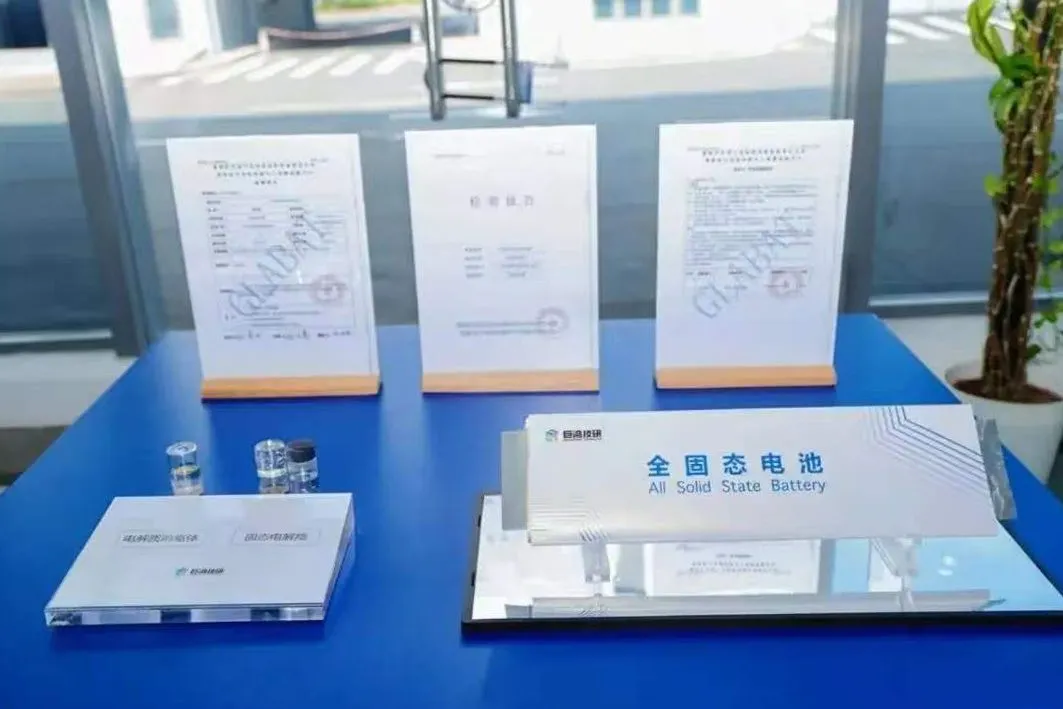
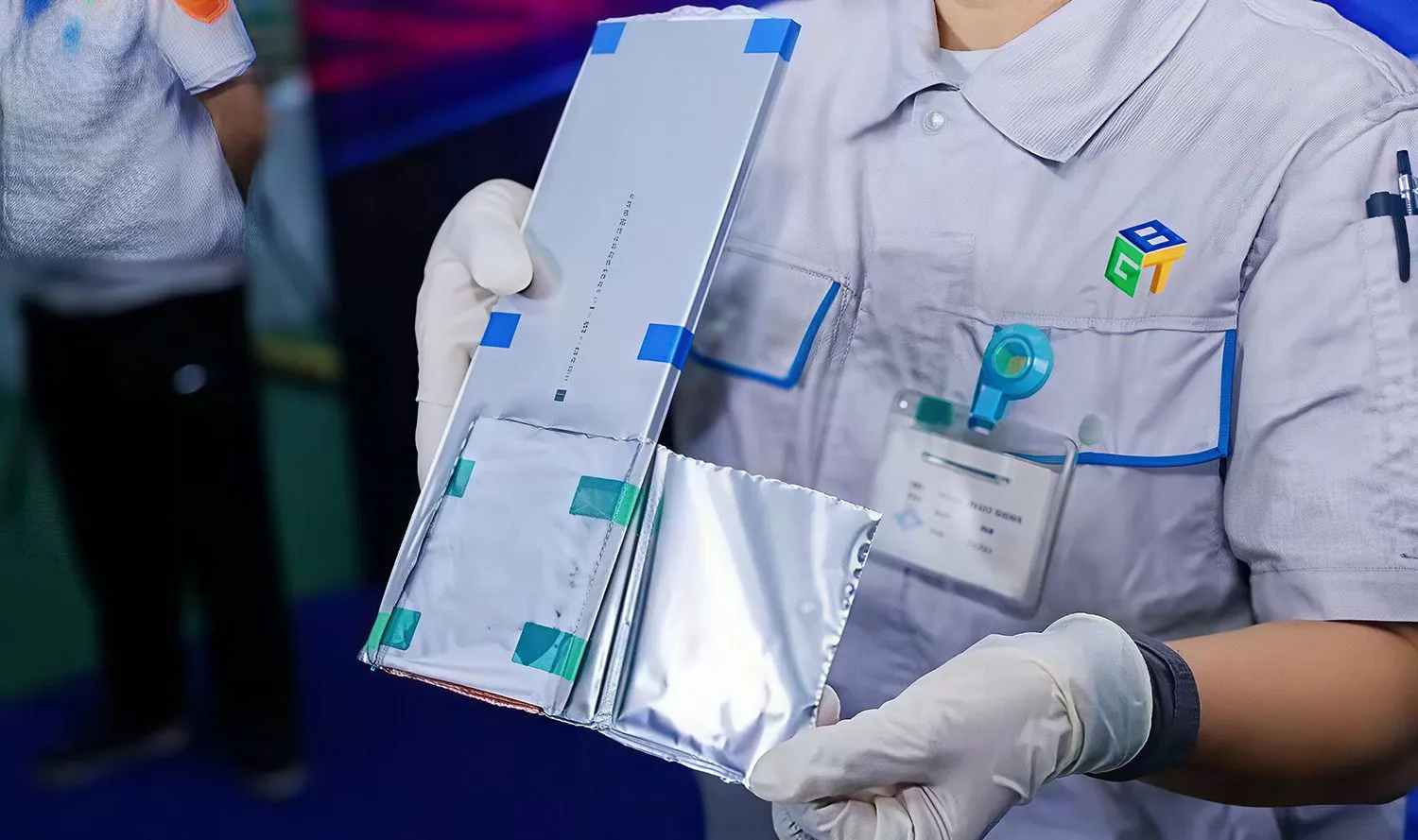
GBT says the cells have passed all cell-level safety tests required by China’s GB 38031-2025 safety standard. In third-party testing, a nail driven fully through a fully charged cell caused no fire or explosion.
GBT signed strategic cooperation agreements with lithium-ion battery-pack maker Hubei Liming Lithium Technology and the Shenzhen Vertical Take-off and Landing Aircraft Innovation Center, an electric vertical take-off and landing (eVTOL) development platform. In Europe, GBT works with FLYNT, an electric light commercial vehicle developer, as its strategic partner.
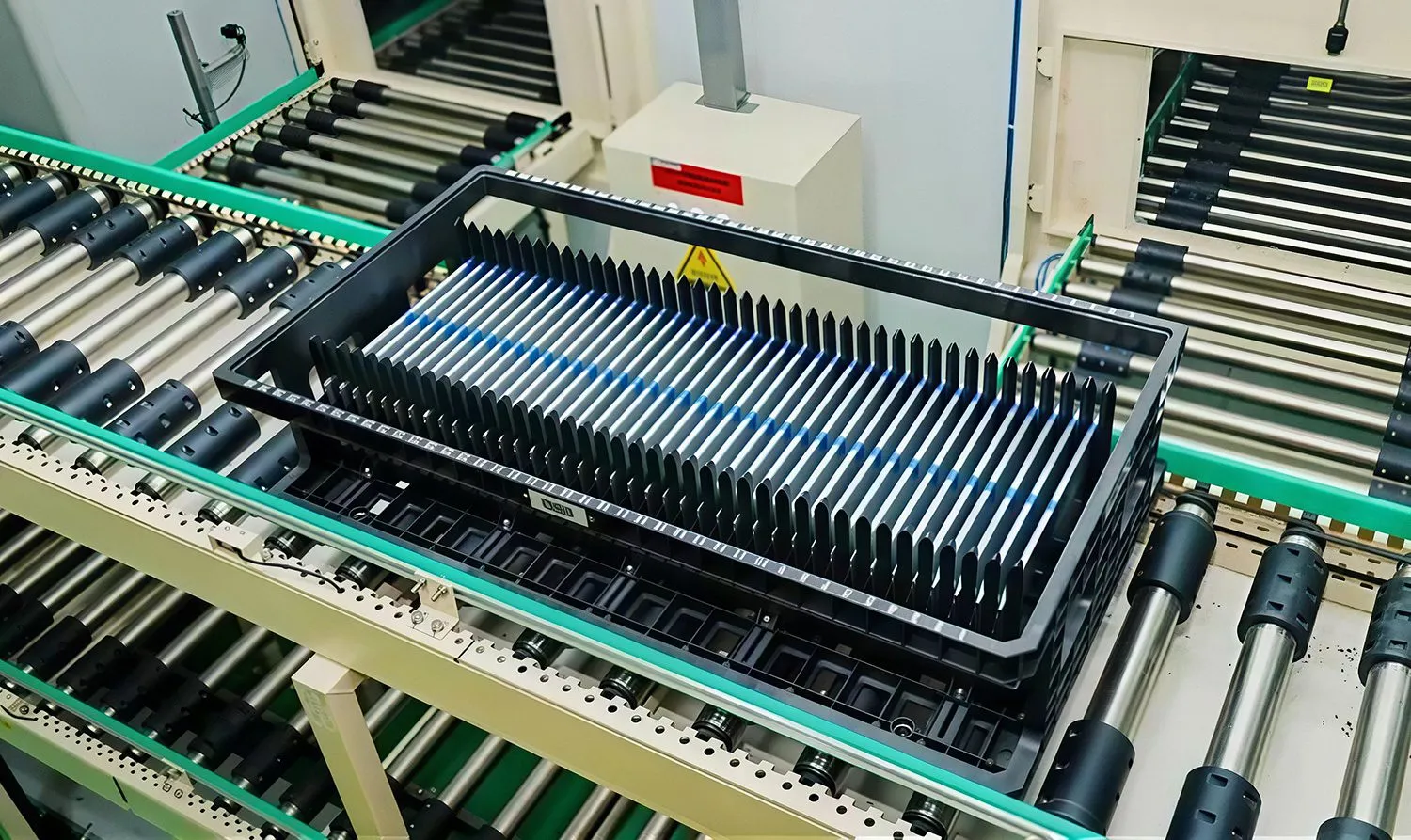
GBT’s organic-inorganic composite electrolyte is introduced into the cell as a liquid precursor and solidified in place, so electrode preparation, stacking, formation and testing use conventional lithium-ion equipment. The electrolyte-filling station was rebuilt for injection and curing in a dry, oxygen-free micro-environment. The remaining capacity of the 4 GWh plant can be converted as orders require. The converted line can also switch back to lithium-ion production.
“This is not a new line built from scratch; it is an existing line with a new core,” said Huang Xiangdong, founder and CTO of Greater Bay Technology. “We went from A-samples in April to series production in October.”
“Now there is a standard, and there is a certified cell coming off a line that any gigafactory operator will recognise—and could convert,” said Daniel Kirchert, co-founder of FLYNT. “For European manufacturers the question is no longer whether solid-state arrives, but how to bring it into the plants they already have.”
Source: FLYNT
Create Account. Already Registered? Log In
Virtual Conference on EV Engineering: Free to Attend
Don't miss our next Virtual Conference on September 14-17, 2026.
Register for the free webinar sessions below to reserve your spot and watch them live or on demand.
LOAD MORE SESSIONS