
Zoox receives approval for paid robotaxi services
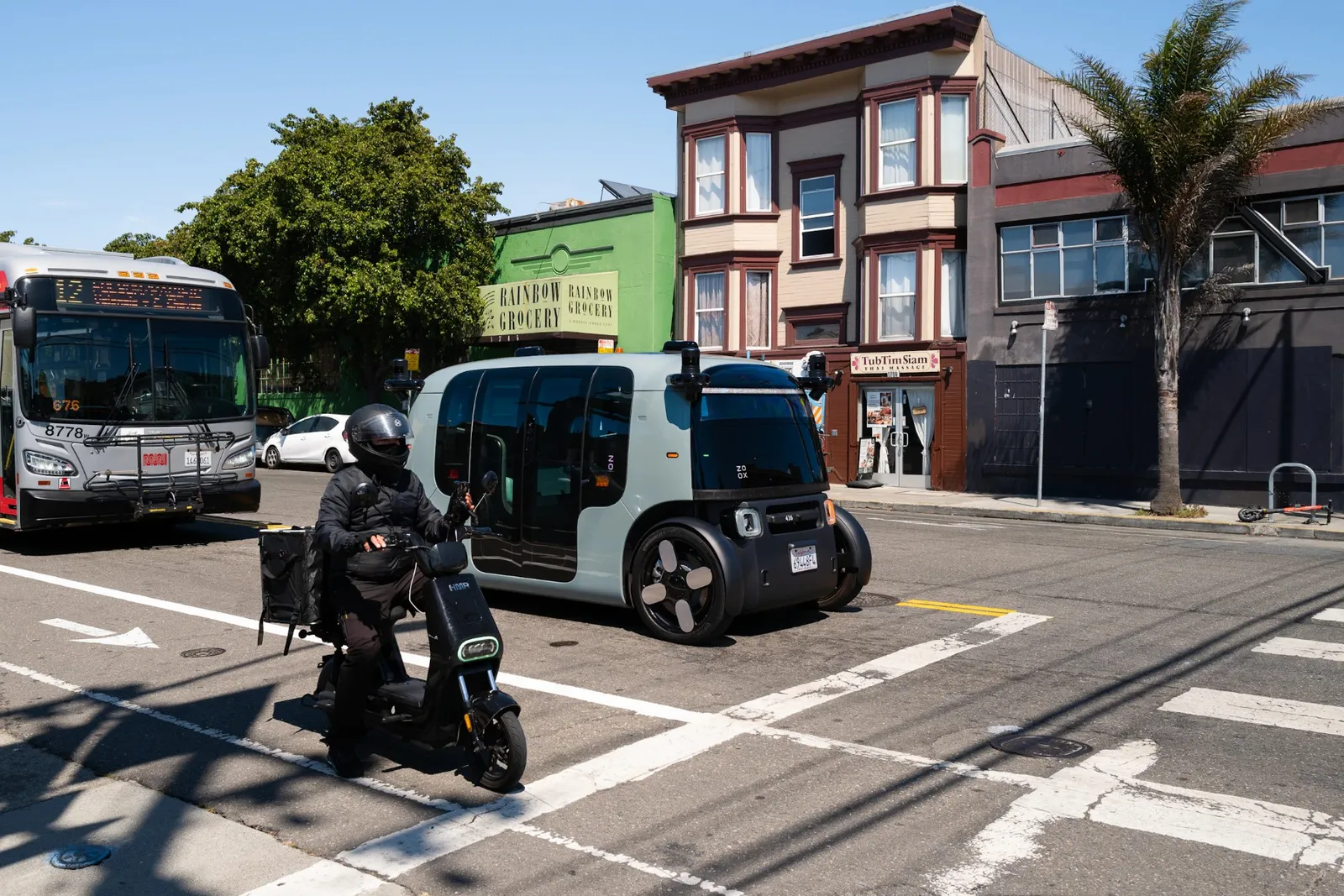
Amazon subsidiary Zoox is now permitted to offer commercial rides in the US with its specially developed robotaxis, which have no steering wheel or pedals. This is made possible by the first exemption granted by the US National Highway Traffic Safety Administration (NHTSA) for such "purpose-built" robotaxis.
While pioneer Waymo has long offered large-scale paid robotaxi services using modified production vehicles, the US National Highway Traffic Safety Administration (NHTSA) has now given Zoox the green light to charge for rides. Waymo’s younger rival is thus the first provider in the USA permitted to charge for rides in a purpose-built robotaxi designed entirely without traditional manual controls such as a steering wheel or foot pedals. The exemption is limited to a maximum of 2,500 vehicles per year for the next two years and represents a regulatory milestone for the mobility sector.
This breakthrough is underpinned by a newly created exemption by the US Department of Transportation to support domestic manufacturers in commercialising the next generation of autonomous vehicles without traditional controls. Zoox benefited from years of coordination with regulators to navigate outdated Federal Motor Vehicle Safety Standards (FMVSS), which were originally designed for human drivers.
According to the company, demand has been high. Since the launch of its free service in Las Vegas and the Zoox Explorers Programme in San Francisco, more than half a million passengers have been transported—entirely free of charge as part of permits for public testing of the autonomous ride service. Zoox also reports that half a million interested users are now on its digital waiting list.
As a first step, Zoox plans to start charging fares in Las Vegas next month. The exact pricing has yet to be announced, but it is expected that Zoox will align its rates with those of established ride-hailing providers such as Uber or Lyft. Close collaboration with regulators in Nevada and California is intended to ensure a smooth transition to commercial operations.
Alongside the Zoox-specific exemption, the NHTSA announced a comprehensive package of measures to accelerate the development of national performance standards for autonomous vehicles. This includes a three-year partnership with the SAE Industry Technologies Consortia (ITC) to fund a five-million-dollar consortium aimed at establishing a unified safety standard. The goal is to avoid a fragmented regulatory landscape, which has often hindered innovation in the past.
The agency is also fundamentally revising its technical guidelines for autonomous vehicles, originally published in 2017. Key focus areas of the new requirements include emergency response, management systems, and remote assistance to support the scaling of driverless fleets. “NHTSA supports the safe development and deployment of automated vehicles,” said NHTSA Administrator Jonathan Morrison. “By removing unnecessary barriers to innovation, developing industry guidance, and providing strong enforcement oversight while we create performance requirements, NHTSA is taking a balanced approach to AV regulation.”