
When Eastern promise meets Western demands: How Geely is adapting for Europe
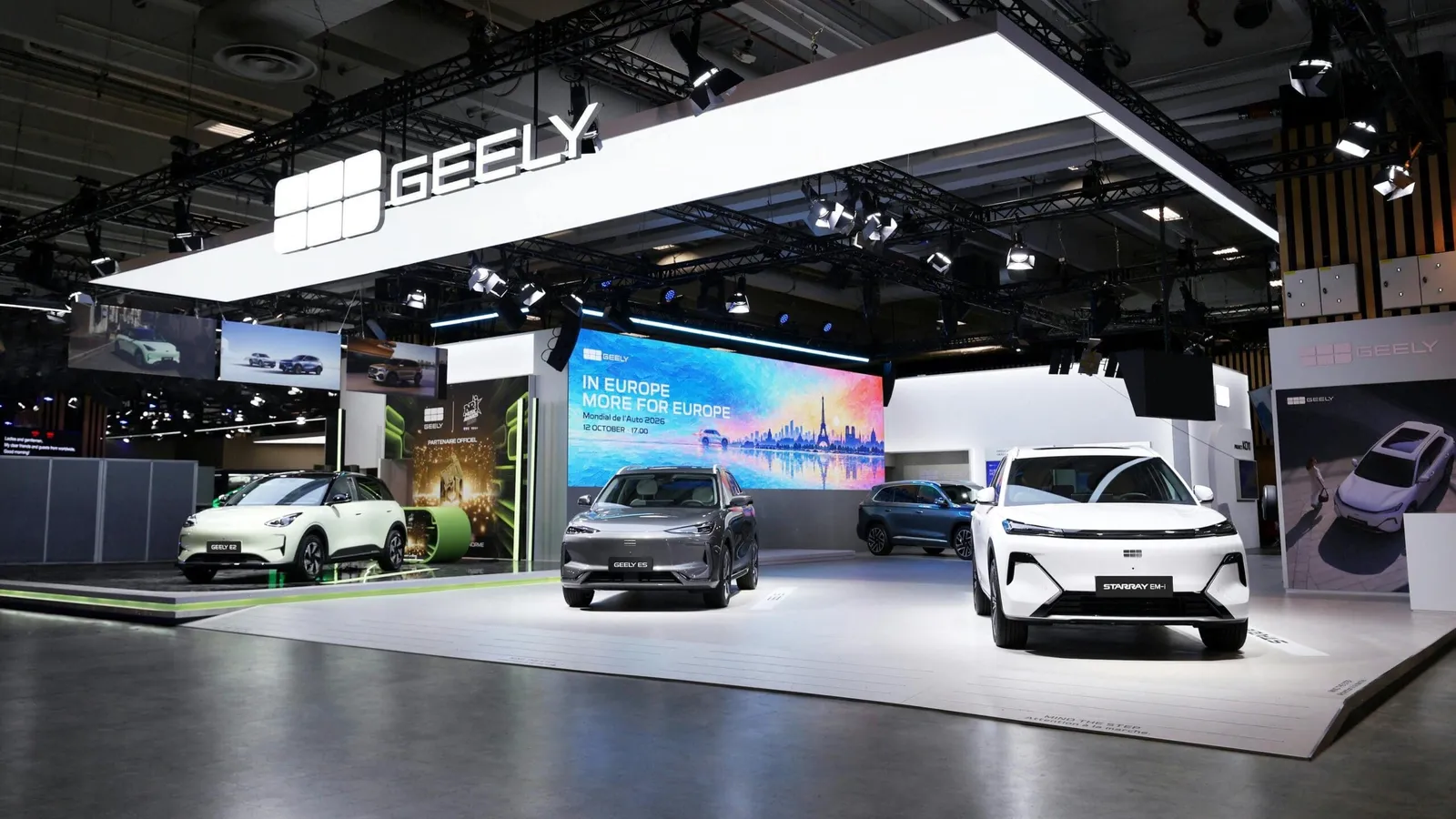
Unless you’ve been asleep for the last three years, you’ll have noticed a massive influx of Chinese car makers arriving on these shores.
At last count there were more than 15 in the UK and around 40 in mainland Europe, all hoping to steal customers from each other and from “legacy” European brands.
But European buyers (including those in the UK) are a fussy lot, so Chinese brands are investing a lot of time trying to ensure their cars suit our tastes. They’re also spending a lot of time telling us that they’re doing it.
Personal experience has shown that some are more successful than others, but to find out exactly how brands are trying to build more European-feeling cars, EV Powered sat down with Geely’s European director of product definition and customer excellence, Dennis Weinel, and carline lead for Geely Auto Europe, Serino Angelotti.

‘Not wrong, just different’
Straight out of the gate, Serino is clear that what Geely’s Chinese customers want is not the same as what its European customers want. While the current crop of cars is developed in China, the role of his and Dennis’s teams is to identify what matters to European buyers and propose changes accordingly.
“There are areas of the vehicle that can stay as is because of the maturity that the product has in China is absolutely okay,” he says. “But there are areas where there is a clear need – not because China is wrong, but because Europe is different.
“If we look at product development, the majority is happening in China. But there are specific areas where we either develop in Europe or we bind the development in China with our requirements.”
Digital divide
Serino identifies three key areas where European and Chinese tastes diverge and where he, Dennis and their teams spend most of their time – infotainment, driver assistance and driving dynamics.
“The digital experience in China has a very different ecosystem with very different requirements,” he explains. “Chinese [drivers] love very busy interruptions, a very busy way to interact with the product – very, I would say, annoying for a customer in Europe. It’s their way to make the product successful [in China], but this doesn’t work for Europe. So we redefine what are the ways to interact and then define this in a specific product. A large part of this development is happening in Europe. So we not only define what is the matter, but also the realisation of that.”
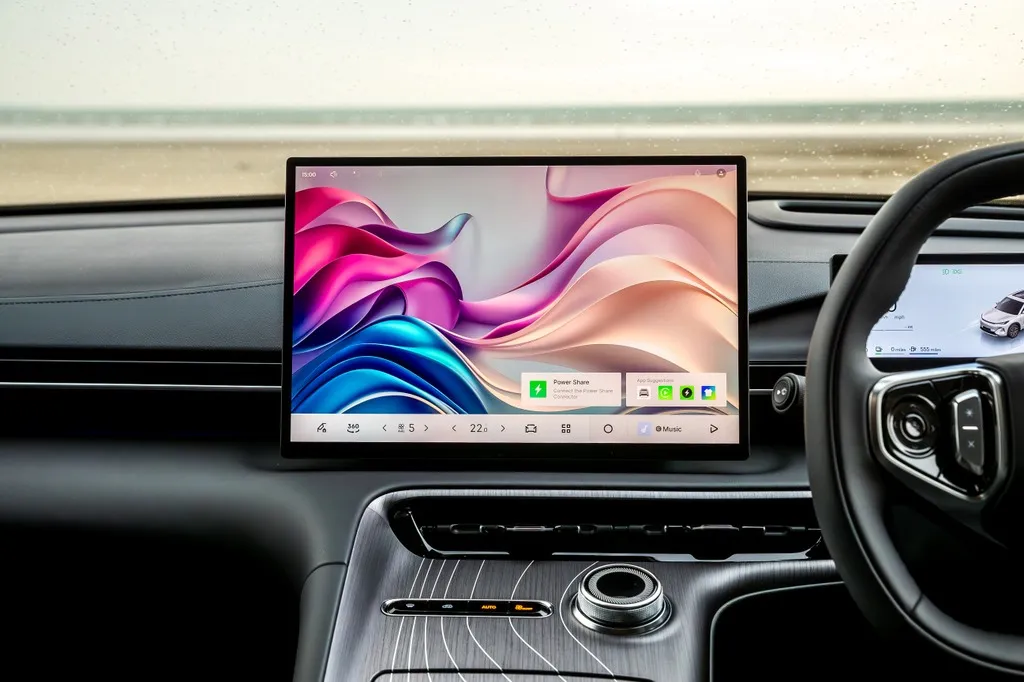
Dennis goes further, noting that “it’s almost a completely different ecosystem”, with different apps, mapping systems and digital assistants.
Sticking with technological tastes, Serino brings up the bête noir of drivers everywhere – ADAS, or Advanced Driver Assistance Systems such as lane departure warning and driver attention alerts.
While both Chinese and European regulators demand such systems, how drivers perceive them is “significantly different”.
Serino gives the example of lane centring assistance. “In China, the market is very keen to have a very quick early intervention where Europeans want the car to arrive at the line before you feel something that is trying to get the control.”
There’s also the matter of very different road layouts and usage, which means Geely’s European team uses data gathered from across the region to retrain the ADAS algorithm to suit the geography and driver preferences.
Ask anyone and it’s clear there’s still work to be done there – something Dennis admits. “We have a task force on that because we know right now we are not where we want to be.”
Interestingly, that task force’s remit extends not just to how frequently or aggressively the ADAS kicks in but also to how easy it is for drivers to adjust the systems and even the tone and volume of the warning “bings and bongs”. And Dennis promises that updates are in the pipeline.
On a more physical level, there are also very different tastes between east and west. European drivers, Serino explains, are far more demanding when it comes to vehicle dynamics.
“China loves a lot of comfort, pretty soft control in the steering, things that we define as sort of artificial, almost unnatural way to handle the car. European customers, even for the mainstream, appreciate more control, more direct steering, harder but not uncomfortable suspension. You need to feel the technical drive.”
So Geely Europe suggests changes to everything from suspension and steering to the brakes. “This is a major effort for China because it will be more simple to do one and say, okay,” adds Serino. “But this is not what Geely stands for, it stands for a strong commitment to come into Europe with the product that we want for Europe.”
Learning process
Part of their work to ensure their cars meet European tastes is to take feedback from the media and from owners. They’ve already held “clinics” with more than 1,000 customers and constantly monitor the press and social media to judge attitudes.
Says Dennis: “We are taking all of this feedback to learn what works and what doesn’t work, to feedback into new projects, and updates and iterations we are doing here.”
He gives the example of the central user interface which, in his words, “is not completely fulfilling the needs of the users with its ease of use”. “We are working already on a solution for the upcoming projects, but also all of our customers that are driving a Geely right now will receive this update.”
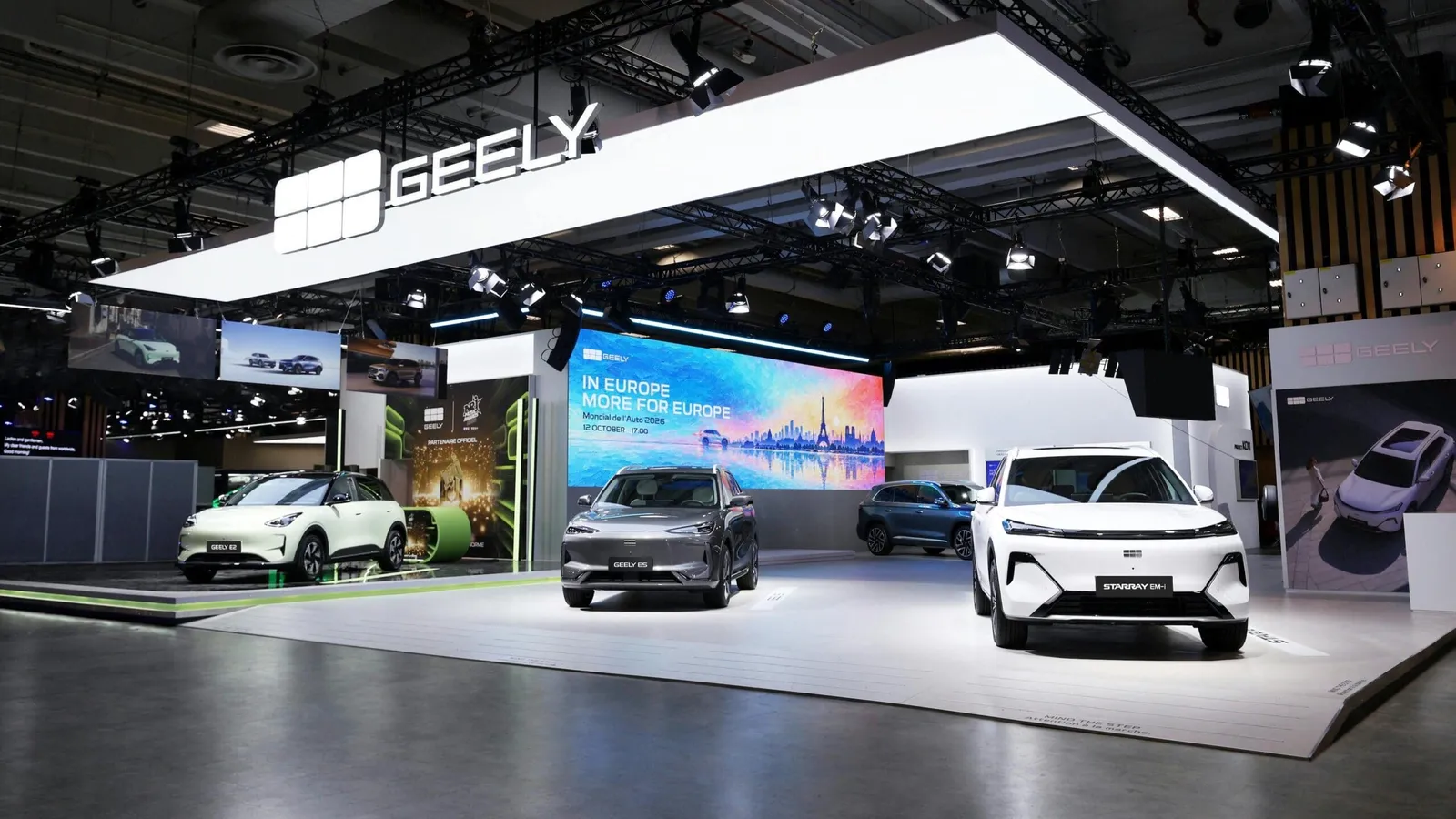
Of course, listening to European customers is very different from convincing Chinese bosses that changes are necessary.
Serino, a seven-year veteran with Geely, admits that it’s “not an easy journey” convincing headquarters that the differences really matter to the brand’s success.
“Everything needs to have a rationale. We try to make our motivation funded by data as much as possible. For example, making a tuning for Europe costs money. It’s simpler not to do that. So you need to bring to the table what is the advantage, what is the value, what is the brand reputation? To demonstrate that spending this effort will pay off.”
Local cars for local people
Refining Chinese cars for the European market is one thing, but plenty of rivals such as MG, BYD and Chery have plans to develop and build cars in Europe for Europe.
And Geely is on a similar path. In July it announced a joint manufacturing plan with Ford in Spain, and Dennis says that the group is working on cars designed to meet European needs.
“What we are doing right now is identifying clearly where we see the gap. What segment, what body type, what powertrain? And we’re addressing that, and we will show in the very near future the first products that are made for Europe based on the request.”
While coy on specific models, Dennis confirms that Geely has its eyes on the burgeoning small car sphere. And he says product, strategy and sales teams are all working as “one voice towards China” to guide the roadmap of the European portfolio.
“China is so far very price sensitive, but not dimension sensitive,” he notes. “In Europe, we are heavily dimension sensitive. And what we are looking for is vehicles in the smaller B or in the upper A, but also in the smaller C segment, where a big part of the volume is sitting.”
While that hints at plans for city cars and perhaps family hatchbacks, we already know that one of the cars to come out of the tie-up with Ford will be a smaller electric C-segment SUV, likely to rival the Skoda Elroq and Kia EV3. This is the car Dennis says will be a “key success driver” for Geely as it is specifically tailored for the European market.
We also know Geely’s European line-up will continue to blend fully electric powertrains with hybrid options.
Explains Dennis: “On a long-term plan, electrification is where the market will go to. And we have countries like the UK where this movement towards BEV vehicles is already very strong. But there are other countries where the transition is not happening so fast, where customers want to do daily driving with an EV experience, but they still have the demand to have the flexibility to drive 1,055km combined.”
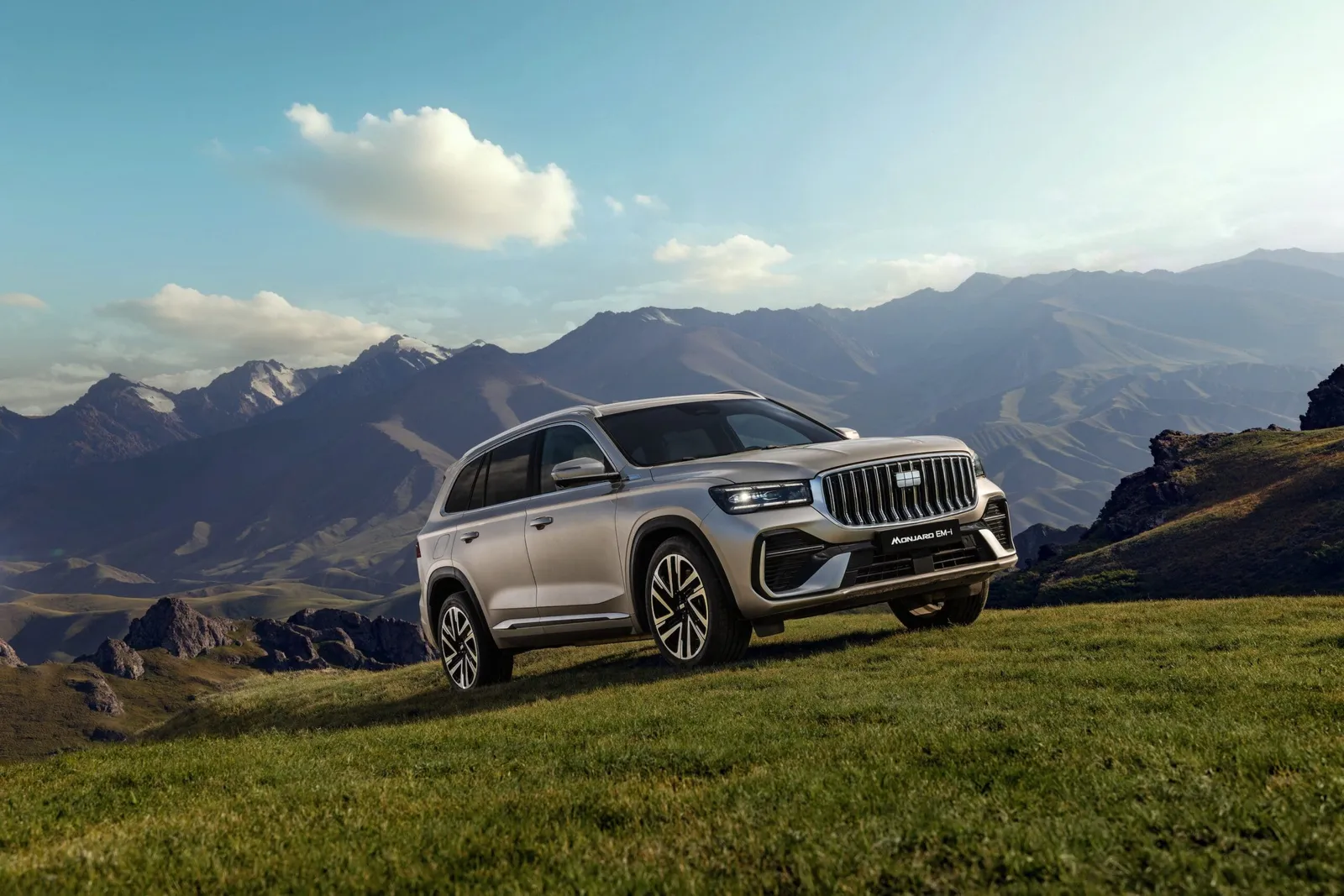
Before the first European-built Geelys arrive in 2028, we have the seven-seat Monjaro SUV and the rugged KO11 arriving, both developed in China then adapted by Serino and Dennis’s teams.
However, there are also more European-led products on the horizon. Says Dennis: “We do have projects coming from next year where the center of it is Europe, where we are the ones driving the volume.
“It’s not even being launched in China yet. So we are requesting it. We are the centre of gravity, and we are defining the requirements towards it.”