
Volvo EX40 redesigned with sharper styling and upgraded safety tech
Volvo has unveiled a redesigned EX40 electric SUV, bringing new front and rear styling, a larger touchscreen and upgraded safety technology while retaining broadly familiar electric powertrains. The refresh also introduces P5 and P8 model names, with the longest-range version offering a preliminary WLTP figure of approximately 358 miles.
The changes concentrate on appearance, everyday usability and accident prevention, rather than a major overhaul of the electric drivetrain. New cameras, radar and ultrasonic sensors work with an upgraded safety computer and software, supporting features including a door-opening alert, while the cabin gains an 11.2-inch centre display and Google Gemini voice assistance.
For UK buyers, the new powertrain naming structure comprises P5, P5 Long Range, P8 AWD and P8 Performance AWD. These are propulsion designations rather than equipment grades, following the nomenclature introduced on the EX60. UK prices, a full trim breakdown or first delivery dates have yet to be confirmed.
The EX40 is being refreshed alongside the petrol mild-hybrid XC40 and electric EC40. However, several XC40 upgrades do not transfer to its electric sibling, including new alloy wheel designs, particular interior materials and a rearranged wireless phone-charging area.
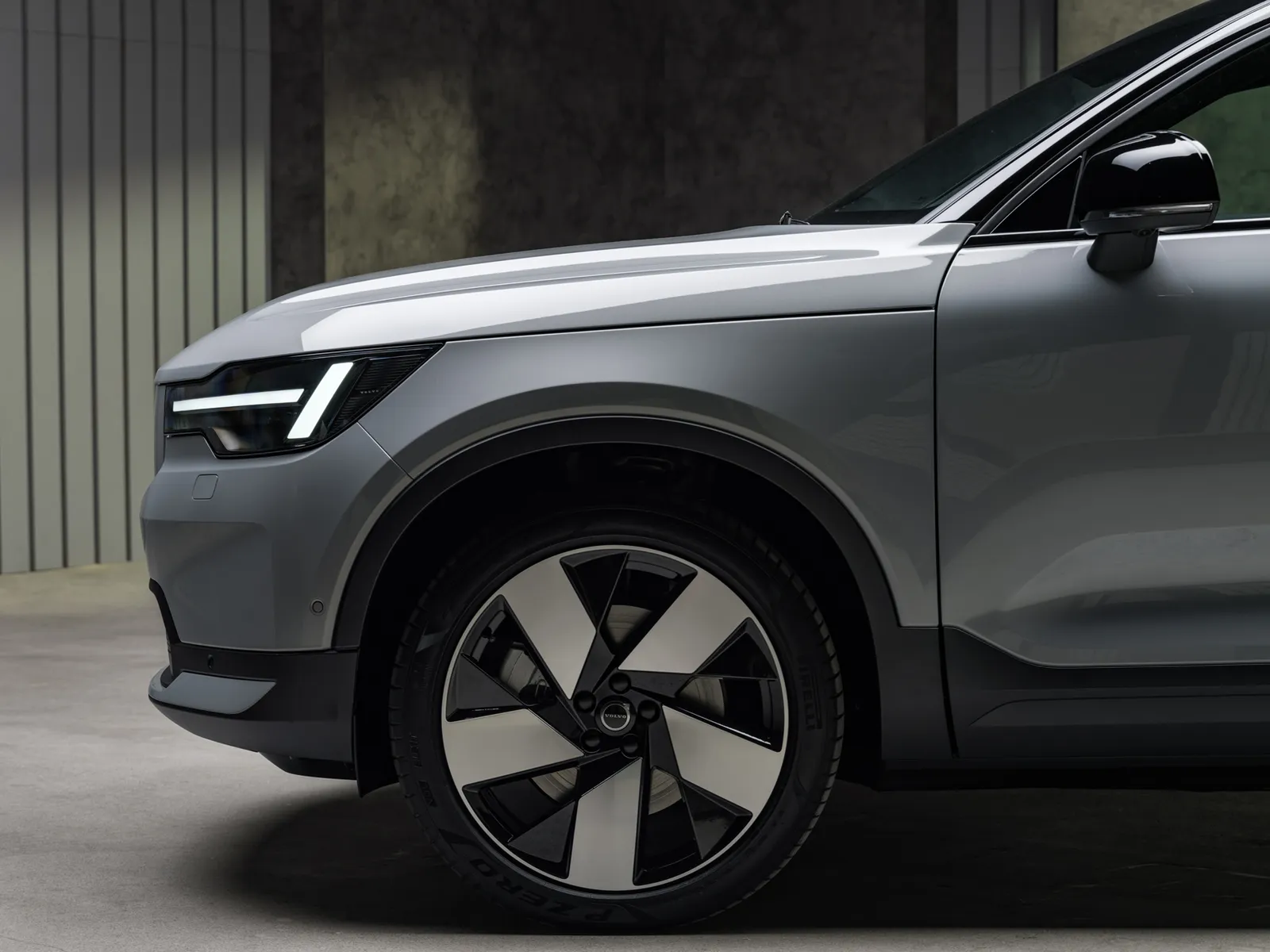
Although the EX40 remains recognisable, the exterior changes extend beyond replacement bumpers. Volvo says the doors, silhouette and proportions carry over, while the front end receives a new bonnet, front wings, lamps and lower bumper. The approach preserves the upright shape while giving the car a more integrated face.
“The silhouette is the same, the proportions are the same,” said Alain Snoodijk, Exterior Designer, Volvo. “We tried to protect and keep the stance that the car has.”
The electric model retains a more closed front treatment than the XC40, reflecting its lower cooling-air requirement. There is still a suggestion of Volvo’s traditional grille shape, but the surface is more enclosed, helping distinguish the EX40 from the mild hybrid.
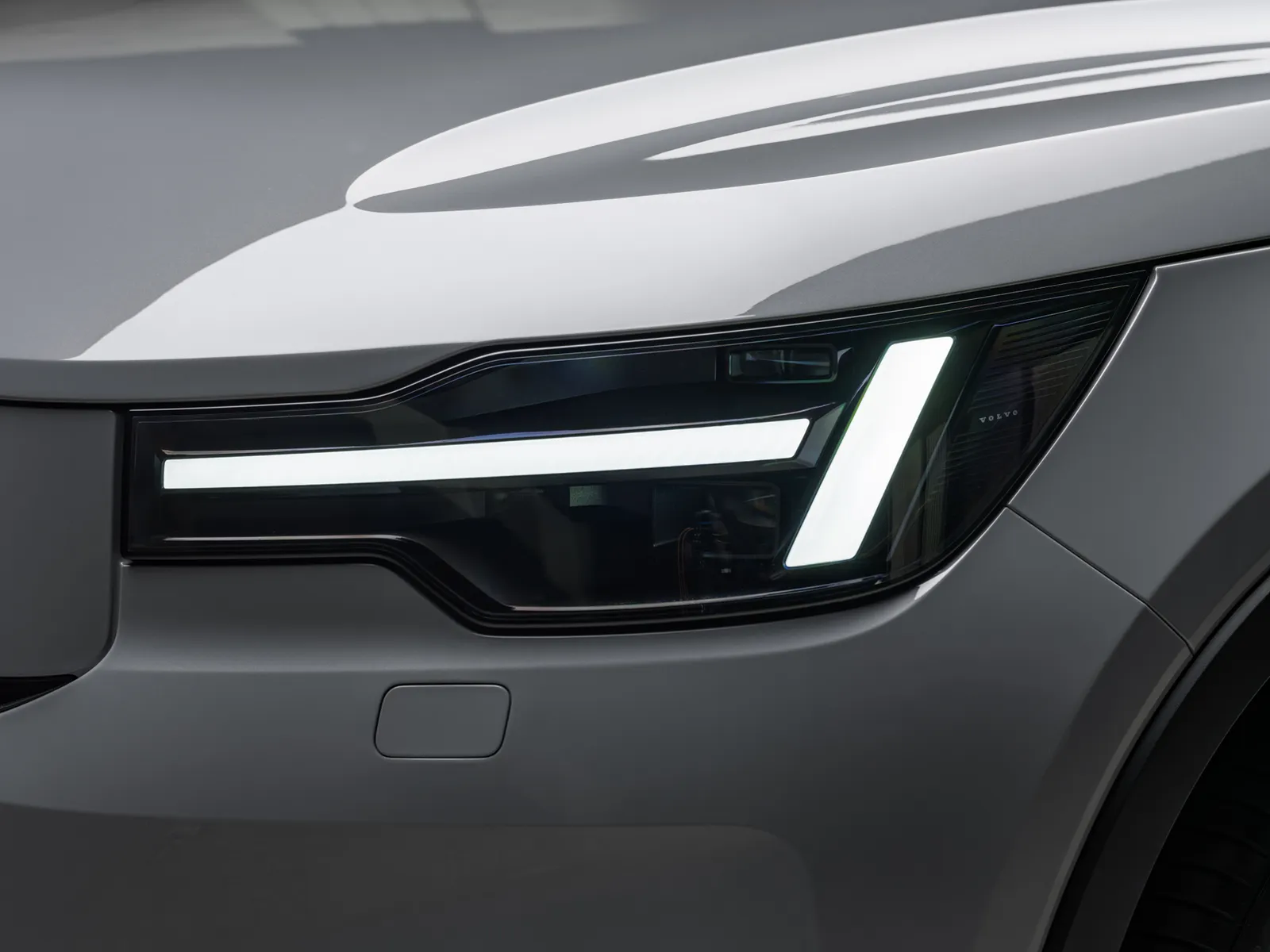
New Matrix LED headlights reinterpret the familiar Thor’s Hammer signature. Their 15 segments are designed to provide a broad, long beam while controlling illumination to avoid dazzling other road users. Volvo has also revised the relationship between the lamps and front panel to give the nose a wider appearance.
At the rear, the EX40 gains new LED lights, an updated tailgate and a redesigned bumper. These changes are shared with the XC40, whereas the EC40 keeps its distinctive rear design. The EX40’s existing wheel range also remains: Volvo says its more recent wheels suit the electric car’s different weight and tyre requirements.
Inside, the most conspicuous change is the 11.2-inch tablet-style centre screen. It uses Volvo’s latest interface, bringing the control layout into line with other models and allowing drivers moving between Volvos to find familiar functions in familiar places.
The interface itself is not entirely new. Volvo said it had already rolled this out across its range earlier this year, coinciding with the launch of the all-new EX60. The EX40 update therefore combines that software approach with a larger, newer display, rather than introducing an entirely separate operating concept.
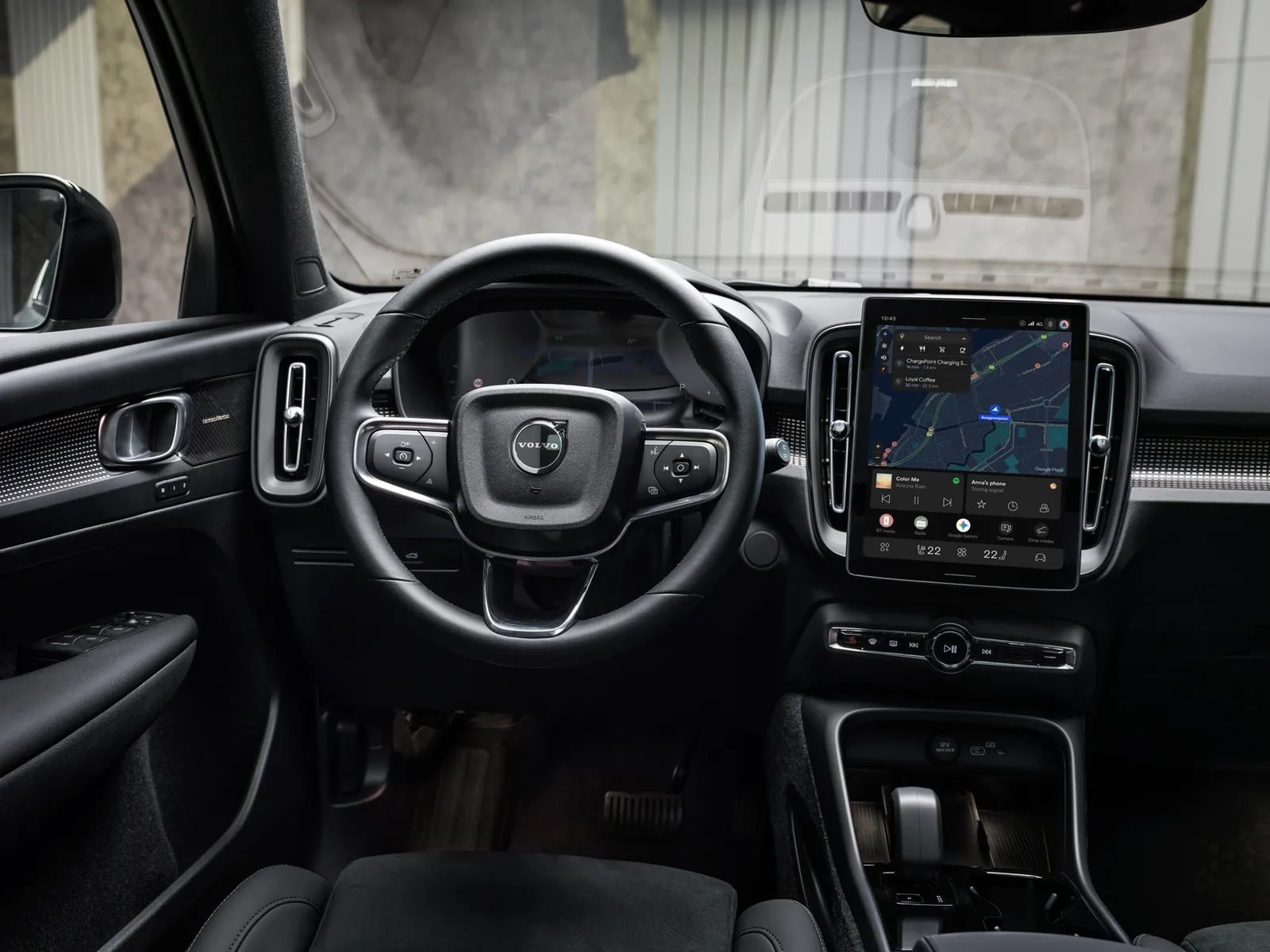
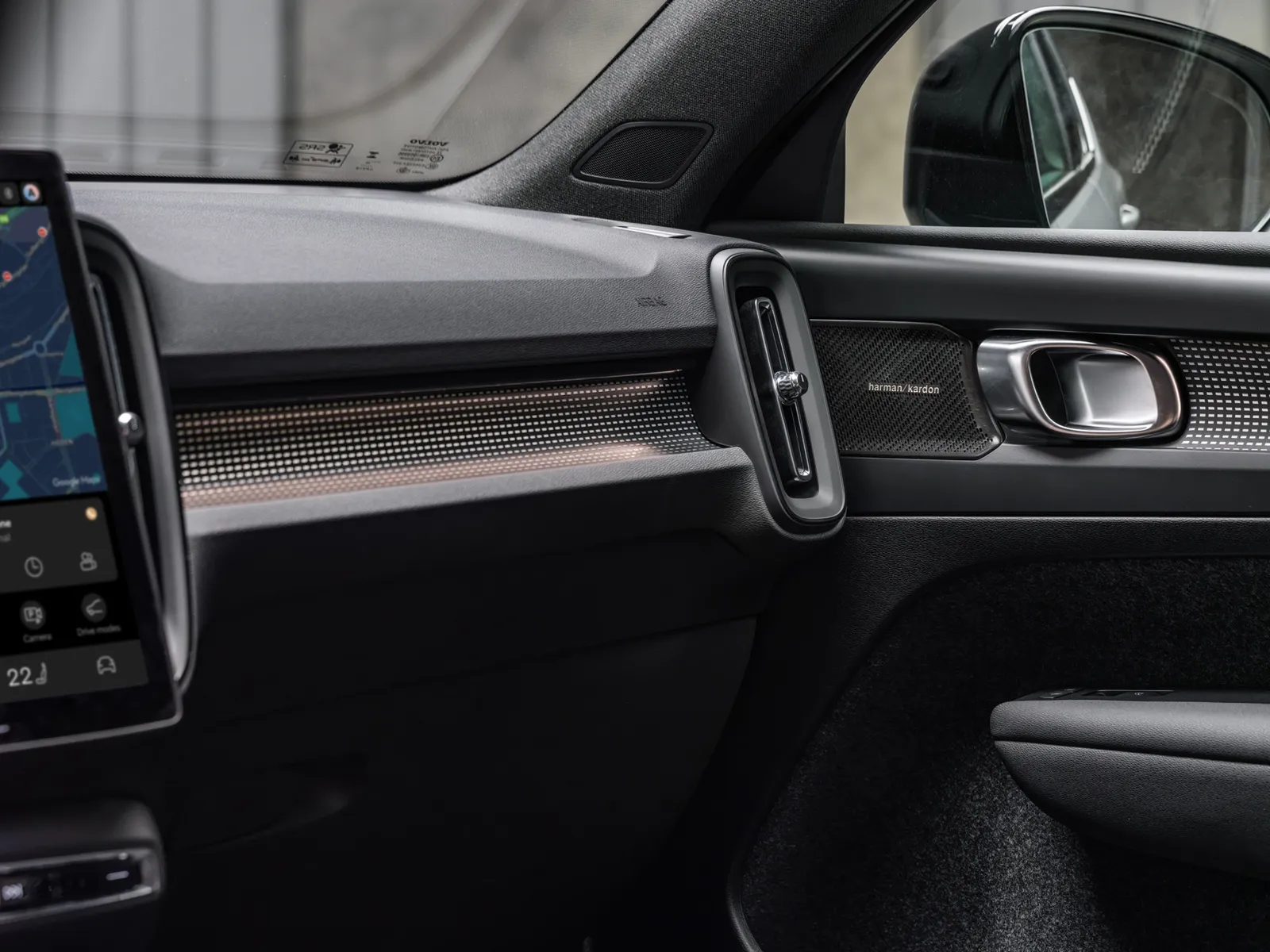
Google Gemini adds conversational voice interaction for tasks such as planning journeys, finding stops and managing messages. Volvo also promises regular over-the-air updates, including the ability to improve the new safety and driver-support systems over time.
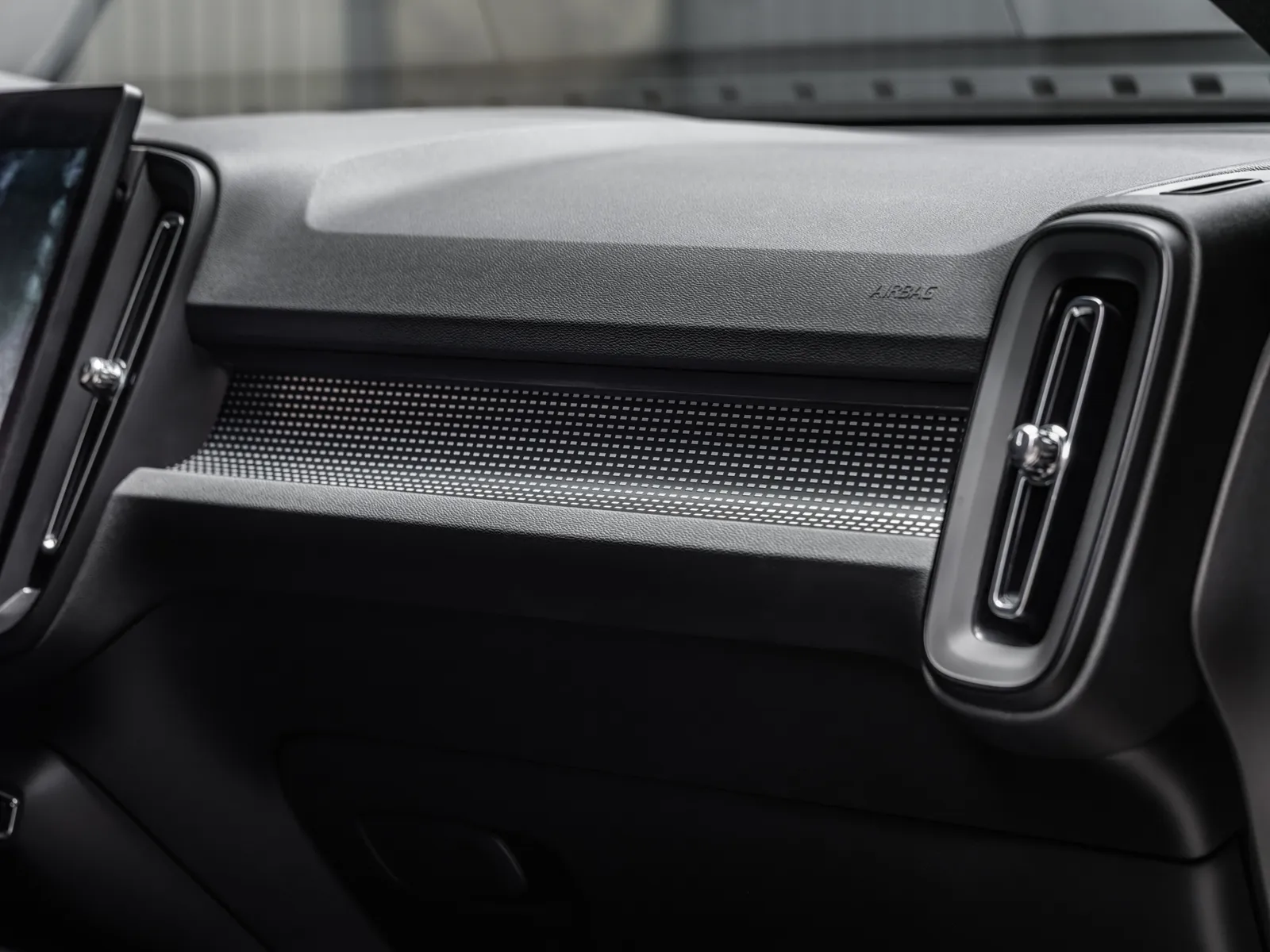
Updated upholstery and cabin illumination accompany the screen, but buyers should distinguish EX40 equipment from the XC40. The latter’s Cardamom leather and brown ash wood trim are not confirmed for the EX40. Volvo said their possible introduction remained undecided, while pointing to a suede-style seat material in the electric model.
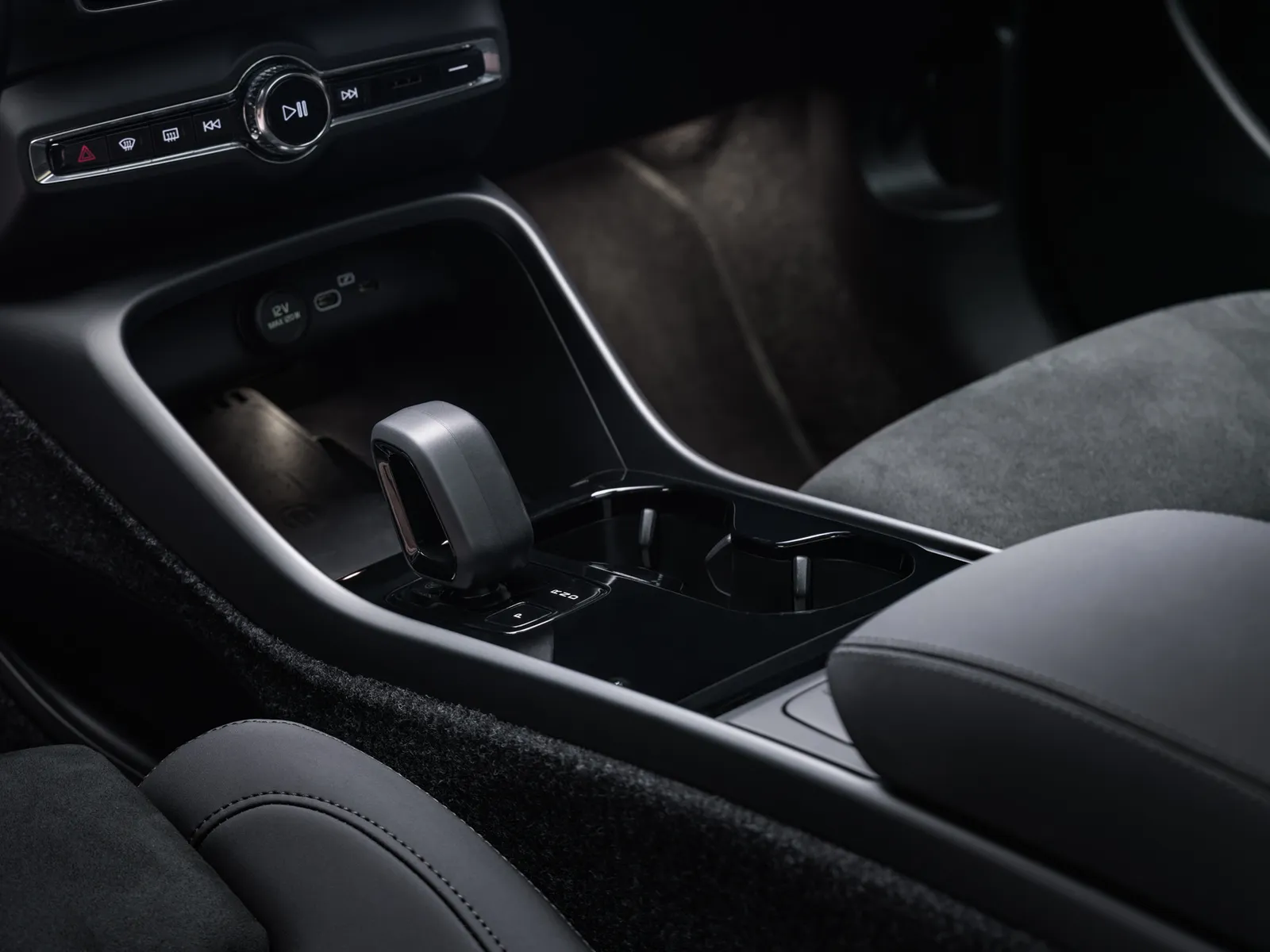
The EX40 also retains its existing phone-charging arrangement. The XC40 moves wireless charging to one side, leaving space for another phone alongside, but Volvo said the electric model’s underlying tunnel prevented the same alteration. Its established approach to useful cabin storage otherwise continues.
Less visible, but potentially more significant, is the replacement exterior sensor set. New cameras, radar and ultrasonic sensors are paired with increased computing capability and new software, improving existing assistance functions and enabling additional ones.
These include a door-opening alert intended to warn occupants about passing cyclists or traffic. Optional Pilot Assist gains lane-change assistance, while an optional 360-degree camera offers a 3D view to help drivers judge the car’s surroundings when manoeuvring.
Volvo also highlights automatic emergency braking, automatic emergency steering and collision avoidance and mitigation functions. These are assistance systems intended to help prevent or reduce the consequences of accidents; the update does not turn the EX40 into an autonomous vehicle.
Underneath, continuity is the principal message. Volvo said the electric powertrain received a major update for model year 2024 and remains competitive, so this refresh does not bring another fundamental mechanical revision.
The preliminary European specification lists the rear-wheel-drive P5 at 175kW, or 238 metric horsepower, with 420Nm of torque and a 0–62mph time of 7.3 seconds. It includes two P5 battery configurations, with different charging capabilities, without identifying which specification applies to the UK.
The P5 Long Range combines a 185kW rear motor, equivalent to 252 metric horsepower, with an 82kWh nominal battery containing 79kWh of usable energy. It also reaches 62mph in 7.3 seconds. Its preliminary combined WLTP range spans approximately 323–358 miles, depending on specification, so the headline maximum will not apply to every configuration.
Above it, the P8 AWD uses front and rear motors producing a combined 300kW, or 408 metric horsepower, and 670Nm. Acceleration to 62mph takes 4.8 seconds. The P8 Performance AWD raises output to 325kW, or 442 metric horsepower, reducing that time to 4.6 seconds while retaining the same torque figure.
Both P8 versions use the 82kWh nominal battery. Preliminary maximum ranges are approximately 336 miles for the P8 AWD and 334 miles for the Performance. All versions listed have a top speed of 180km/h, approximately 112mph.
All technical figures remain preliminary, and Volvo may tweak change specifications. Final UK details will be needed to confirm individual versions and equipment availability, although we were told informally that the P5 Long Range and the P8 All-Wheel Drive versions would be the main variants on offer.
The larger-battery models support peak DC charging of 205kW. Volvo quotes a 10–80% charge in 28 minutes on a 200kW charger, with the battery between 20°C and 35°C. That temperature qualification matters: charging performance will depend on battery condition and the power available at the charger.
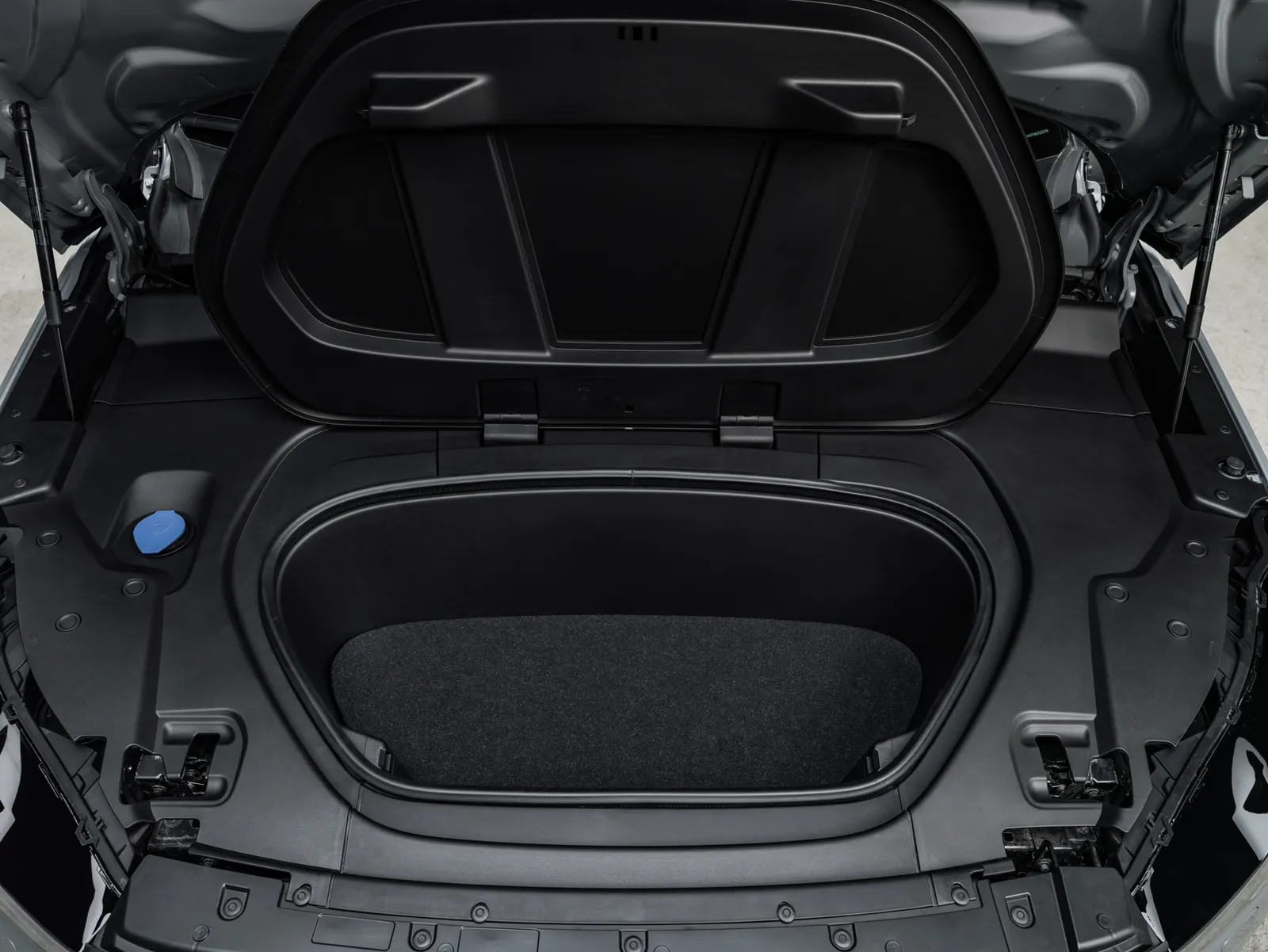
Practical dimensions remain compact: the EX40 measures 4.44 metres long, with a 2.702-metre wheelbase. The specification lists 410 litres of luggage capacity with the rear seats upright under its window-height measurement, rising to a maximum 1,400 litres with them folded. Maximum towing capacity is 1,500kg for rear-wheel-drive versions and 1,800kg for AWD models. Production of the refreshed 40 series will take place in Ghent, with Malaysian assembly serving Malaysia and Thailand.