
Volkswagen shifts EV production away from Wolfsburg
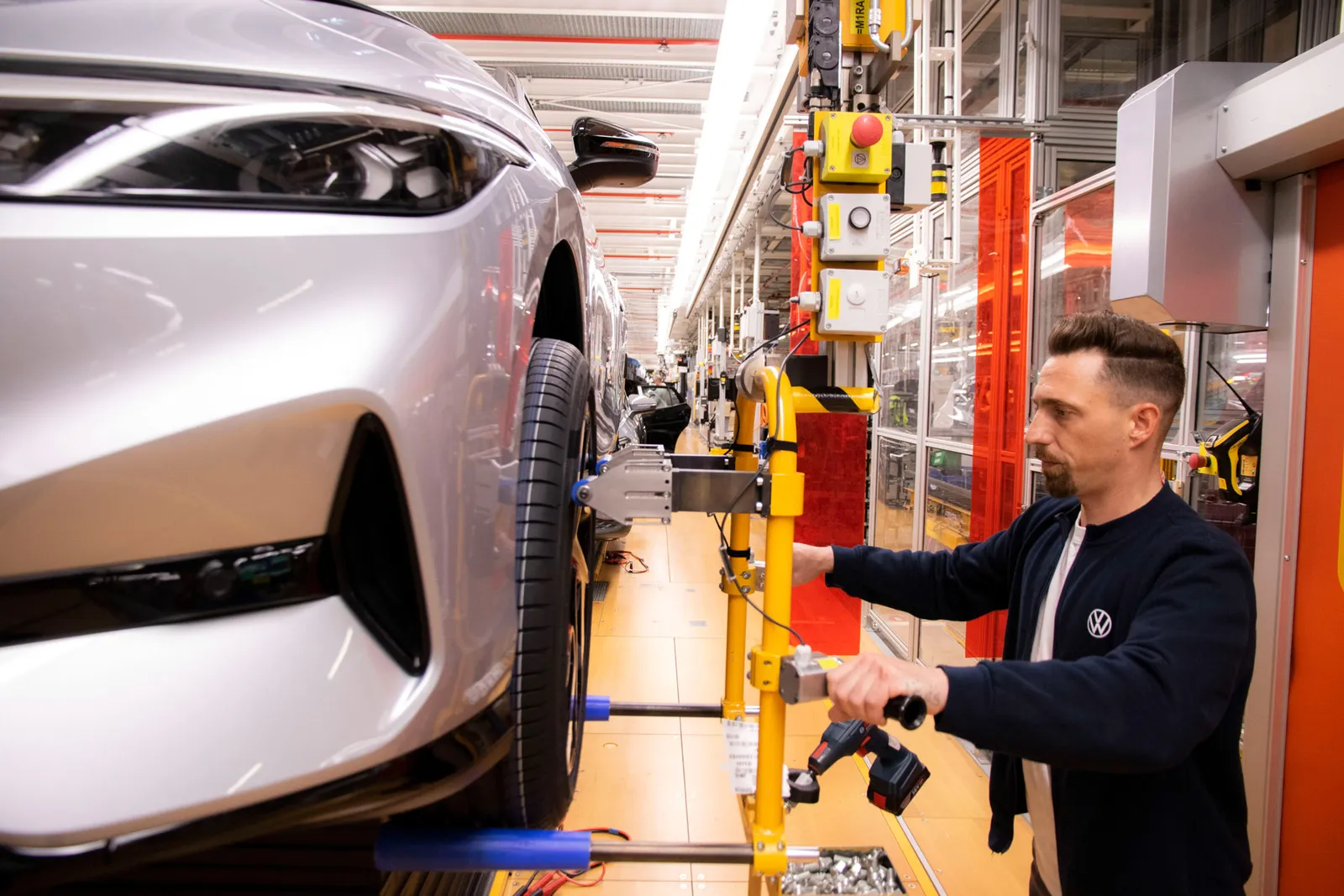
According to Sales Board Member Martin Sander, the VW group is adjusting its production planning. As a result, fewer combustion engine vehicles will be built in Wolfsburg this year - and conversely, more electric cars will roll off the production lines in Emden and Zwickau.
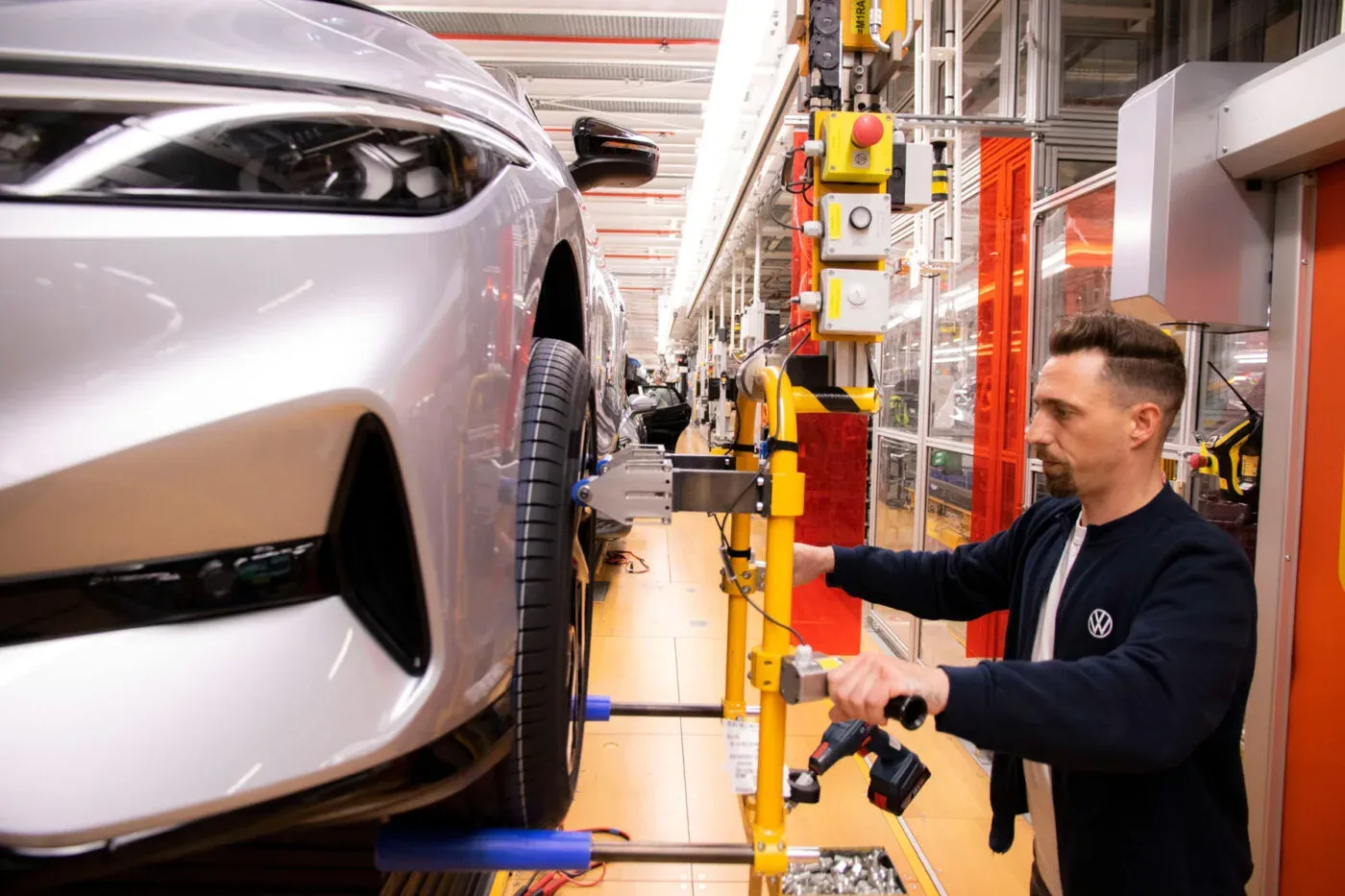
Image: Volkswagen
Volkswagen is adjusting its factory planning for this year due to high demand for EVs. Citing Martin Sander, Board Member for Sales, _Automobilwoche_ reports that planned extra shifts at the Wolfsburg main plant – where only internal combustion engine vehicles have been produced so far – are being cancelled. The result: “Instead of exceeding 600,000 units, the previous year’s level of around 580,000 is likely to be achieved,” the report states.
At the same time, Volkswagen is creating the conditions for better utilisation of electric vehicle production in Emden and Zwickau. In Emden, at least two extra shifts for the production of the ID.7 have now been planned, it is said. Zwickau, in turn, is benefiting from improved order levels for the ID.3 Neo. “This helps to improve the current underutilisation,” _Automobilwoche_ writes, citing company sources.
It’s well known that Zwickau and Emden are Volkswagen’s dedicated electric vehicle production sites. In both cities, Volkswagen only reduced production from two to one line each (with two shifts each) in May to reduce overcapacity. Now, the pendulum is swinging back in the other direction, and Volkswagen is producing more electric vehicles there again. For Emden, this trend is likely to continue, as the ID. Tiguan will soon start rolling off the production line there – replacing the currently produced ID.4. Demand is therefore expected to increase significantly, similar to the ID.3 Neo (the successor to the ID.3).
In Zwickau, the ID.3 Neo, Audi Q4 e-tron (including the Q4 Sportback e-tron), and Cupra Born are currently being produced. The ID.4, which is also produced there, will switch to the refreshed ID. Tiguan and move to Emden. Meanwhile, the moderately successful ID.5 derivative is being phased out. In 2024, the outlook for Zwickau was bleak, with plans at one point to retain only the Audi. However, the future prospects have since improved somewhat.
“Demand for battery-electric vehicles is noticeably increasing in Germany and other European countries,” Martin Sander, Board Member for Sales, is quoted as saying in _Automobilwoche_. This marks an important “turning point in the transformation of the automotive market,” driven in part by high prices for petrol and diesel. At the same time, this means “lower demand for vehicles with internal combustion engines.”
Volkswagen itself appears to have been surprised by this momentum. Management had based its 2026 production planning on a slower ramp-up. It remains to be seen how this “changed market situation” will affect the strict cost-cutting and restructuring plan, under which the future of the two dedicated electric vehicle plants, as well as the factories in Hanover (VW Commercial Vehicles) and Neckarsulm (Audi), remains uncertain from the new decade onwards.
What is clear: Volkswagen seems to have impeccable timing at the minute. The refreshed ID.3 Neo and ID. Tiguan models, as well as the so-called Urban Electric Car Family, are meeting a sharply increased demand for electric models in Europe. The latter family consists of the MEB+-based compact electric cars ID. Polo, Cupra Raval, Škoda Epiq, and ID. Cross, all of which have entered production at two plants in Spain. Most recently, the ID. Cross began series production in Navarra near Pamplona at the beginning of this week. According to _Automobilwoche_, there are now more than 100,000 pre-orders for this quartet, including over 40,000 for the electric Polo.
“Based on order intake, Volkswagen is currently selling more pure electric vehicles than internal combustion engine vehicles in Germany. However, the company also earns less money as a result. The profit per electric vehicle is lower than for comparable internal combustion engine vehicles,” the trade journal concludes.