
Volkswagen ID. Tiguan to replace ID.4 and ID.5 in early 2027
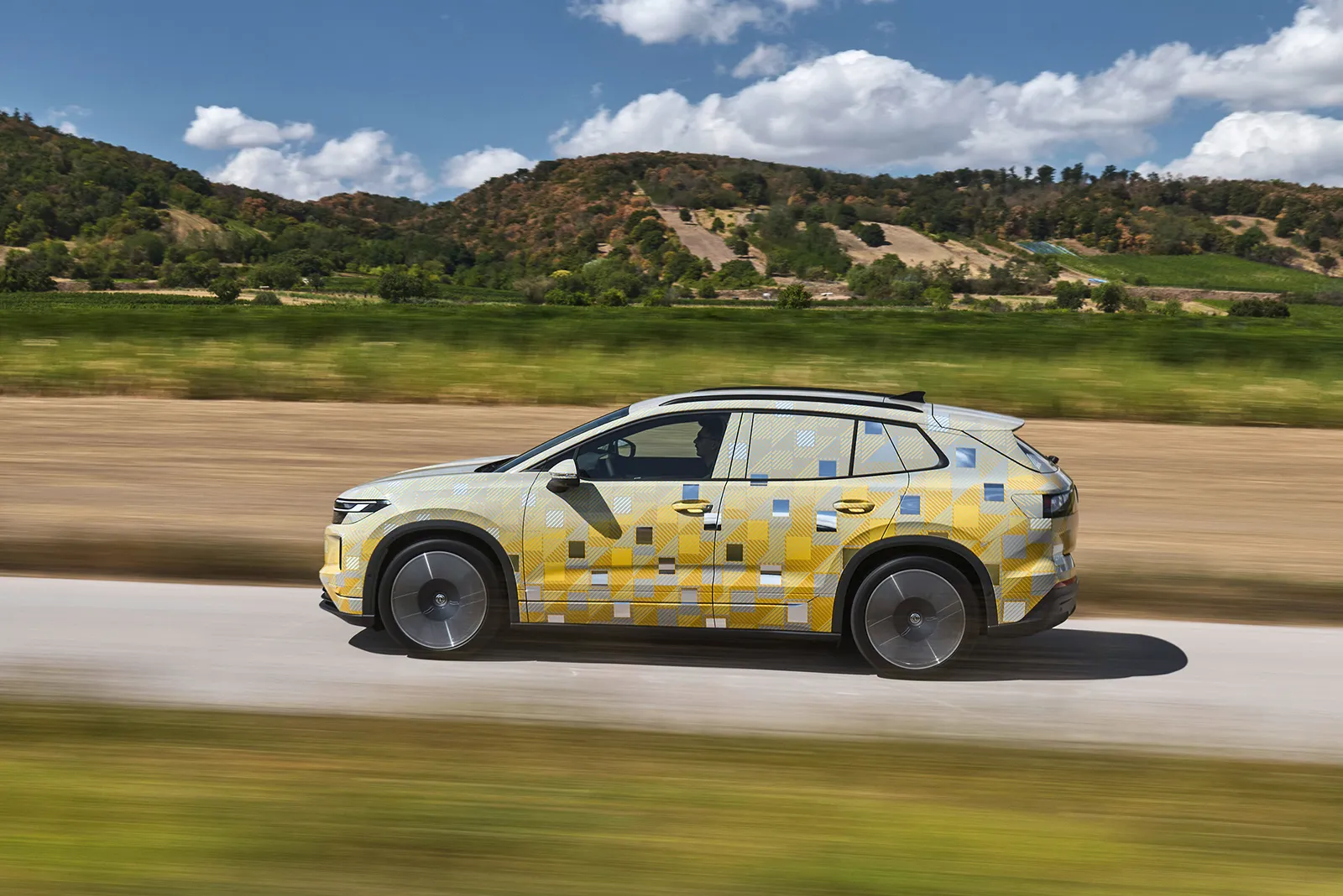
Volkswagen will replace its ID.4 and ID.5 electric SUVs with a new model called the ID. Tiguan, bringing its best-selling model name to its battery-electric range. The new SUV will make its world debut in early October, ahead of a planned market arrival at the beginning of 2027.
The electric newcomer will be sold alongside the existing Tiguan with combustion and hybrid powertrains. Volkswagen has therefore confirmed a successor for two of its established electric models while retaining a separate choice for customers who want a Tiguan with an engine.
UK prices, an order date and a specific British delivery timetable have not been announced. Volkswagen has also yet to disclose battery capacities, driving range, charging speeds or motor options. The announcement establishes the name and launch schedule, with the technical detail still to follow.
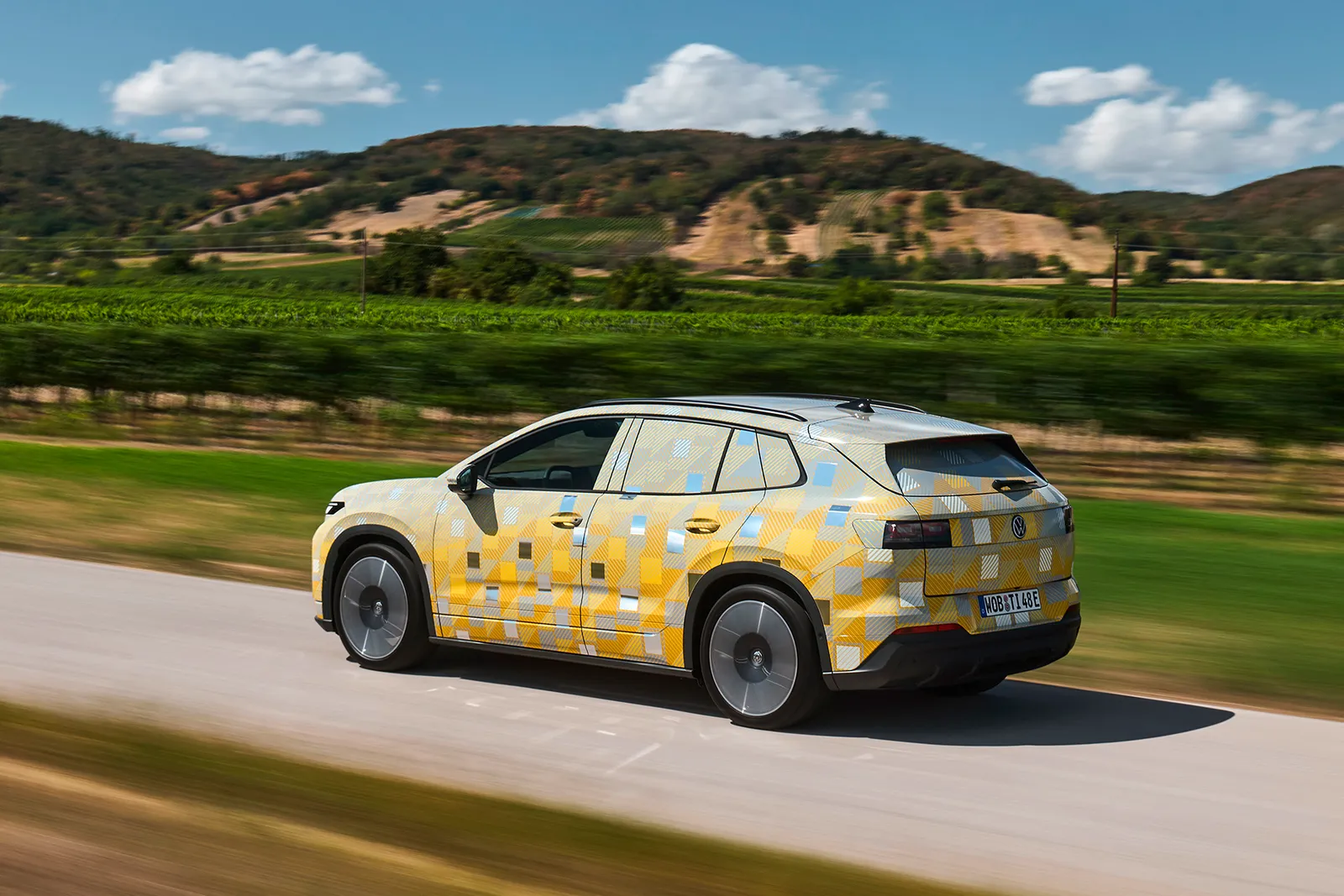
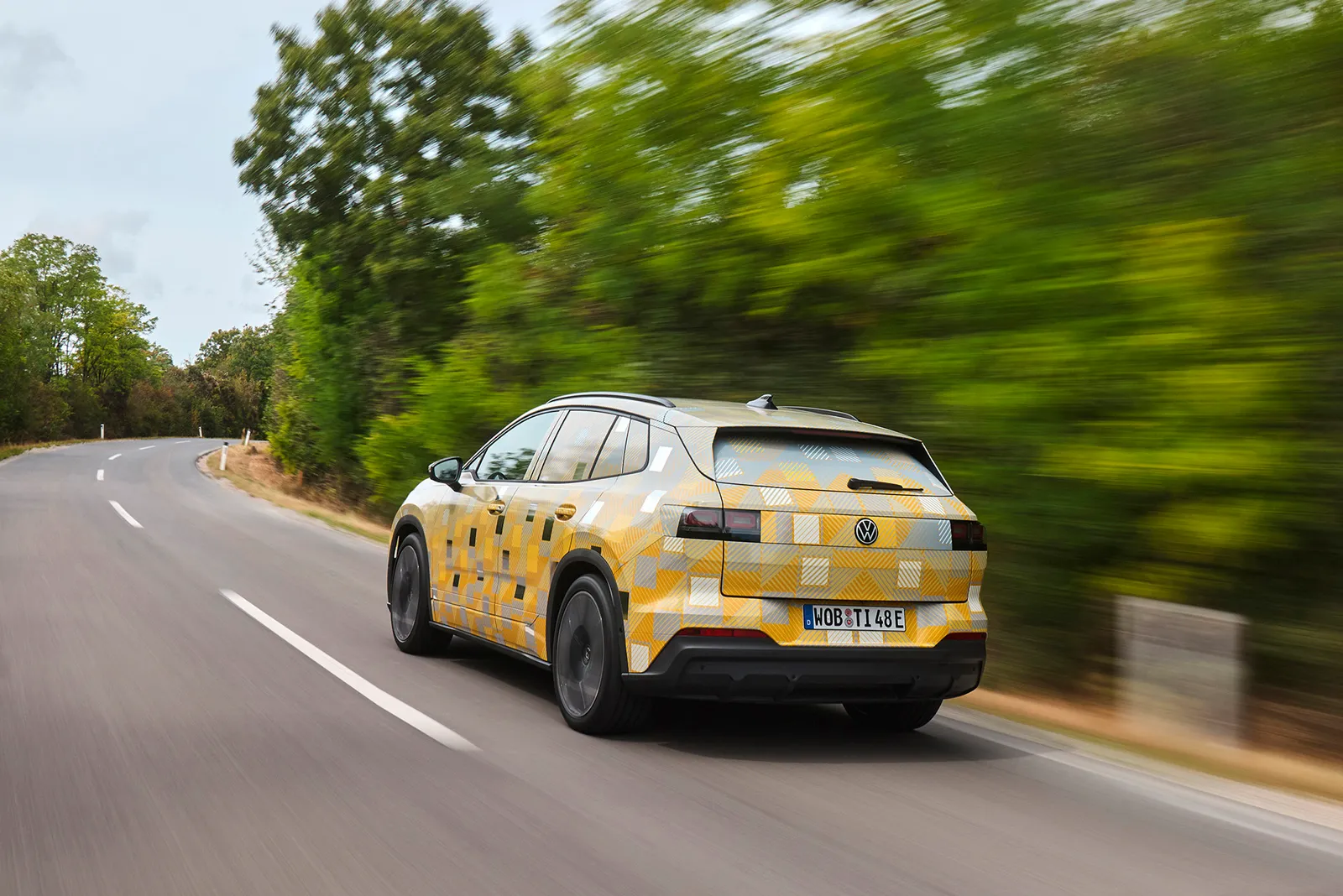
The vehicle remains under development and will continue testing in camouflage until its unveiling. Volkswagen describes the ID. Tiguan shown at this stage as a near-production concept car and says it is not yet available for sale.
For Volkswagen, the decision puts a familiar badge at the centre of its next electric SUV launch. More than 8.3 million Tiguans have been produced, and the company says the model is currently the biggest seller worldwide both for the Volkswagen brand and for the wider Volkswagen Group.
Thomas Schäfer, chief executive of the Volkswagen brand, said: “More than 8.3 million Tiguan vehicles produced demonstrate the strength and trust associated with this model name. The Tiguan represents a versatile, premium vehicle and embodies the essence of True Volkswagen.”
He added: “With the ID. Tiguan, we are carrying this product promise into the electric future. The all-electric model builds on the strengths of the best-seller and offers premium design, generous space, intuitive operation and innovative technologies.”
The new name follows the ID. Polo and ID. Cross as Volkswagen continues to bring established model identities into its electric range. The company says this approach is intended to give customers clearer guidance, linking a recognisable name with a defined type of vehicle.
That makes the Tiguan badge significant beyond the lettering on the tailgate. A customer familiar with the existing SUV will have a reference point for the electric model's intended role, even before comparing specifications. Volkswagen is drawing on that recognition as it prepares to retire the ID.4 and ID.5 names from their current position in the range.
The ID. prefix remains, identifying the new vehicle as part of Volkswagen's electric family. The resulting name combines that electric identity with a badge already associated with a mainstream SUV, rather than relying solely on a number to communicate where the car belongs.
Volkswagen promises a completely new design for the ID. Tiguan and says it will have the visual presence of a vehicle from the next segment up. That is a description of its intended appearance, however, rather than confirmation of a larger footprint: the company has not supplied dimensions in this announcement.
Similarly, the promise of generous space has yet to be supported by passenger accommodation or luggage capacity figures. Buyers considering the new model as a family car will need those measurements to assess how it compares with either the outgoing electric SUVs or the combustion-powered Tiguan.
The emphasis on intuitive operation is also notable in Volkswagen's description of the car. However, there are no details here about the dashboard layout, infotainment system or physical controls. It remains to be seen how that stated priority will translate into the production vehicle's cabin.
Replacing both the ID.4 and ID.5 gives the new model a substantial job. The ID.4 and its fastback counterpart have together recorded more than 950,000 deliveries since 2021, according to Volkswagen, making them among the group's most successful battery-electric model series.
Those figures underline that the ID. Tiguan will inherit an established electric customer base as well as a familiar SUV name. Its task will include attracting drivers moving from combustion-powered vehicles and providing a potential next purchase for existing ID.4 and ID.5 owners.
The announcement does not explain whether the ID. Tiguan will eventually be offered in more than one body style. Naming it as the successor to both current models does not, by itself, confirm a separate fastback version to take over directly from the ID.5.
Nor has Volkswagen set out the timing for the withdrawal of either outgoing model. The early-2027 market arrival gives an indication of when the new car is expected, but leaves the details of the transition, including any overlap in availability, unconfirmed.
Alongside that electric changeover, the conventional Tiguan will continue. Volkswagen says the two models will accommodate a range of motor types, allowing it to offer the Tiguan name to customers choosing between battery-electric propulsion and combustion or hybrid alternatives.
“Together, both models form a strong offering for our customers’ different powertrain preferences,” Schäfer said.
The distinction between the two Tiguans will be important when specifications emerge. An electric model sold under the same core name will still need to be assessed on its own merits, from purchase price to everyday practicality. The continued availability of the conventional car gives customers a clear choice within that familiar model identity.
The commercial importance of retaining that breadth is clear from Volkswagen's sales figures. Deliveries of the Tiguan and its sister model, the Tayron, exceeded one million vehicles in the past year. That total covers the two model lines together, rather than the Tiguan alone.
Both are available with petrol, diesel and plug-in hybrid powertrains. The addition of the ID. Tiguan will extend the use of the Tiguan name to an all-electric offering, although sharing a name should not be taken as evidence that the electric and combustion models share their underlying engineering.
For UK buyers, the eventual specification and price list will determine where the ID. Tiguan sits in practical terms. Battery size and efficiency will affect its suitability for longer journeys, while charging performance will help establish how easily it can cover those journeys with stops en route.
Equipment levels and cabin usability will matter alongside those headline figures. Volkswagen's initial promises address space, operation and technology, but the announcement provides no basis yet for judging whether the new model will improve on its predecessors in those areas.
The October premiere is the next scheduled milestone. Until then, Volkswagen has confirmed a change in the identity of its electric SUV range, with a single announced successor taking the place of two familiar ID. models. Further announcements will be needed to establish the versions, costs and capabilities that buyers will actually be able to order when the ID. Tiguan reaches the market.