
Toyota C-HR+ review: Baby brother does it better
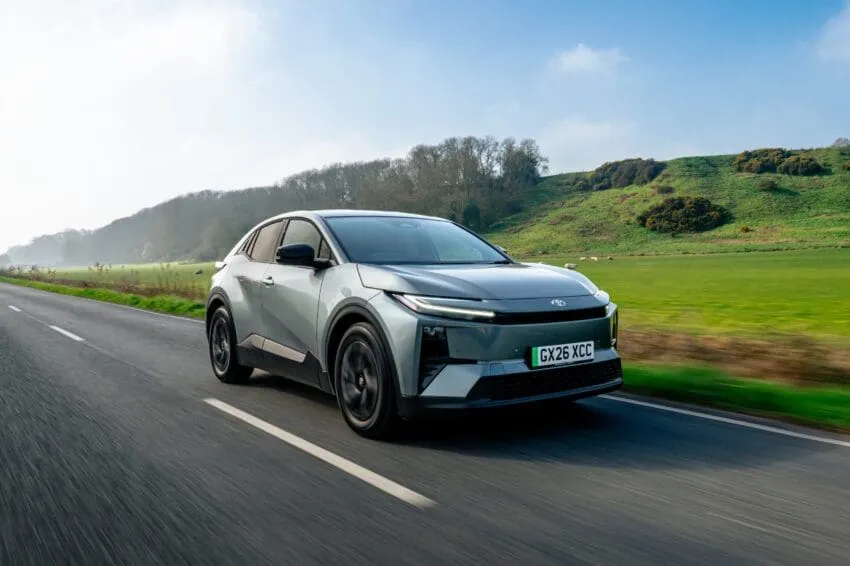
4OUT OF 5
The verdict
The electric Toyota we’ve been waiting for
Not only is the C-HR+ arguably Toyota’s best EV, it’s also able to go toe-to-toe with the best in its class
★★★★★
It’s been said before but Toyota was slow to cotton on to the whole “EVs might be a thing” concept. Nonetheless, it’s taken action in recent years and now has five dedicated all-electric models on sale (including a pick-up truck). And that’s before you count its posh counterpart Lexus.
We’ve got the Hilux, the D-segment bZ4X SUV and its estate-bodied alter-ego, the Touring. We’ve also got the compact Urban Cruiser. Slotting between them, we’ve got the C-HR+.
This 4.5m long 1.87m wide SUV is Toyota’s answer to everything from the Skoda Elroq to the Vauxhall Grandland , plus budget-focused fayre such as the Leapmotor B10.
While it wears the C-HR name, the C-HR+ is an entire different beast from the neat little hybrid. However, Toyota says the name makes complete sense. According to its makers, this is a car that takes the regular C-HR’s qualities of sharp design and engaging performance and adds to them.
It does that, says Toyota, using the same underpinnings as the larger bZ4X, which is not the best looking or most engaging car out there. So can the C-HR+ take those bare bones and improve on them? After an initial drive near Toyota’s UK base, I’ve now spent a week with it to see how it stacks up.
Design and interior
The C-HR+’s design definitely shows its shared DNA with both the C-HR and the bZ4X.
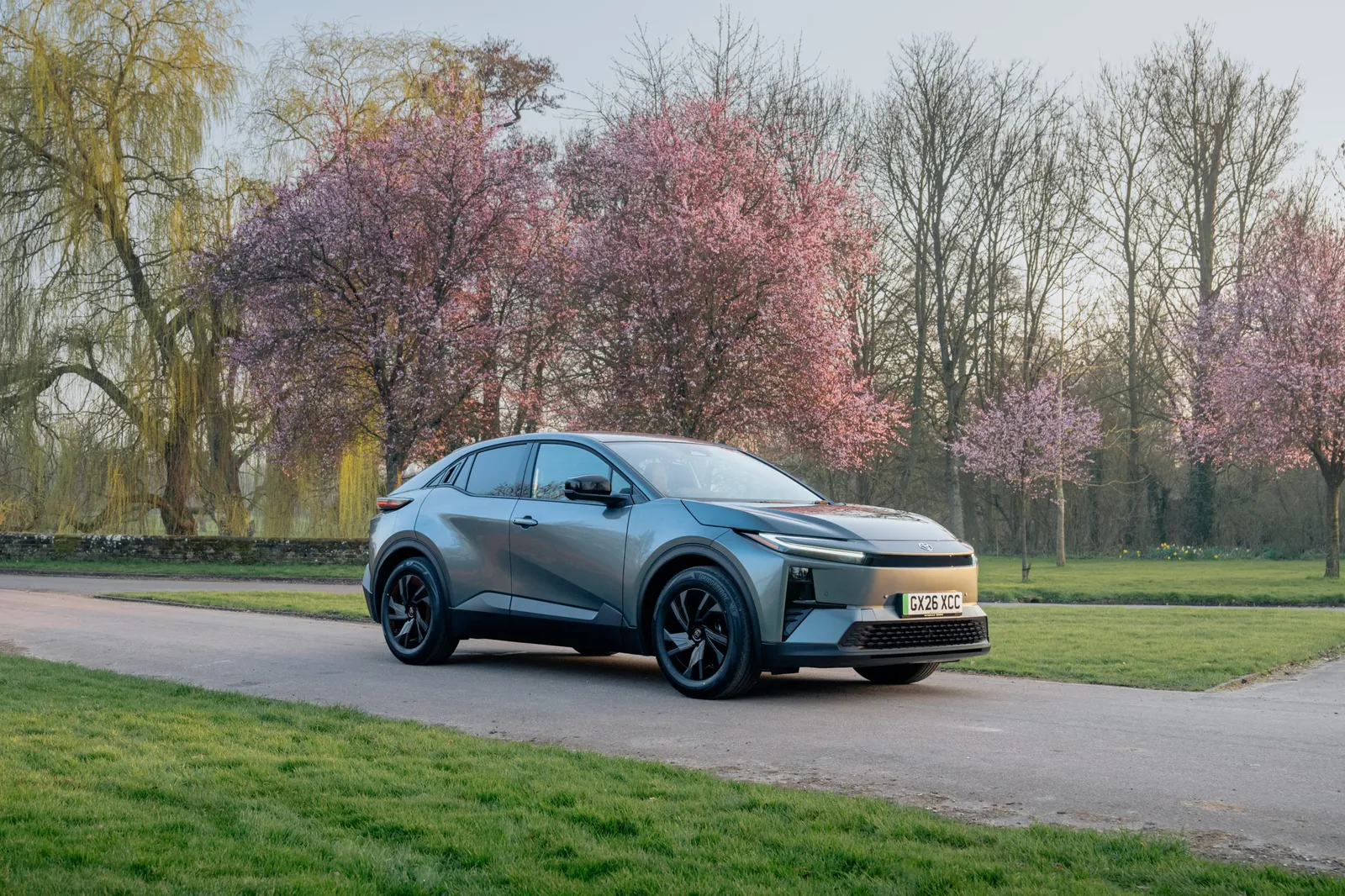
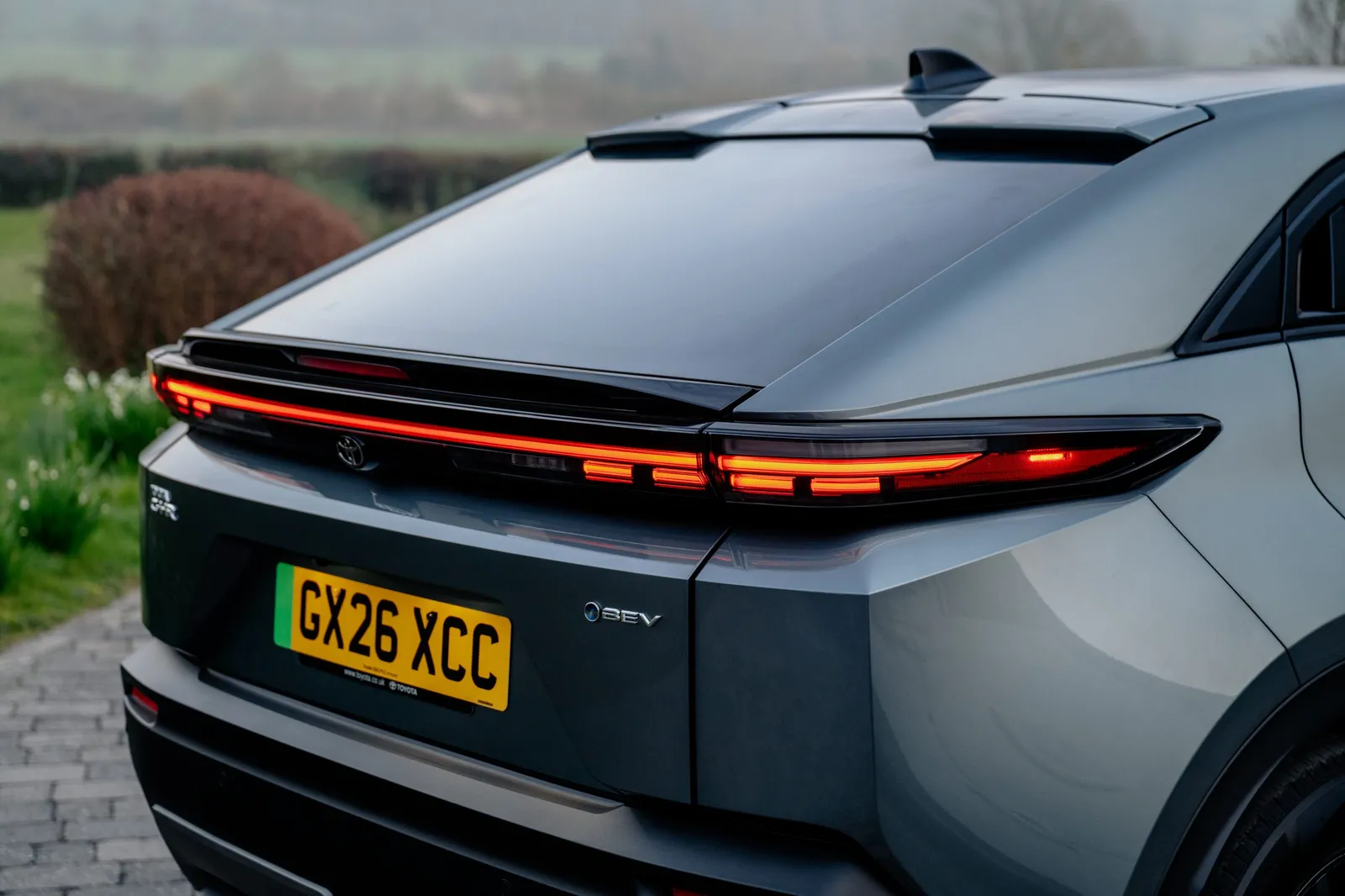
The front end has obvious shades of bZ4X in the pinched angular bonnet line and the thin C-shaped lights. However, there are touches of the C-HR too. The angular lower bumper gives a more aggressive head-on look, while the stepped rear window gives a pronounced shoulder line that copies the muscular stance of the smaller car. It’s also reflected in the sloping roofline and pinched tailgate that gives it a more coupe-inspired look.
It adds up to a neater looking machine that echoes the hybrid’s sharp styling.
Internally, the C-HR+ has a lot more in common with the bZ4X. In fact, from the driver’s seat it looks and feels identical apart from a slightly different texture to the low-set dashboard.
That means there’s a really clear, logical layout to everything and a sense that you could set off a small explosive device in the cabin and not see a scratch. There are proper buttons for important functions and they’re all laid out in a simple user-friendly fashion. This sounds like an obvious thing, but the number of Toyota’s rivals who can’t get it right is worrying.
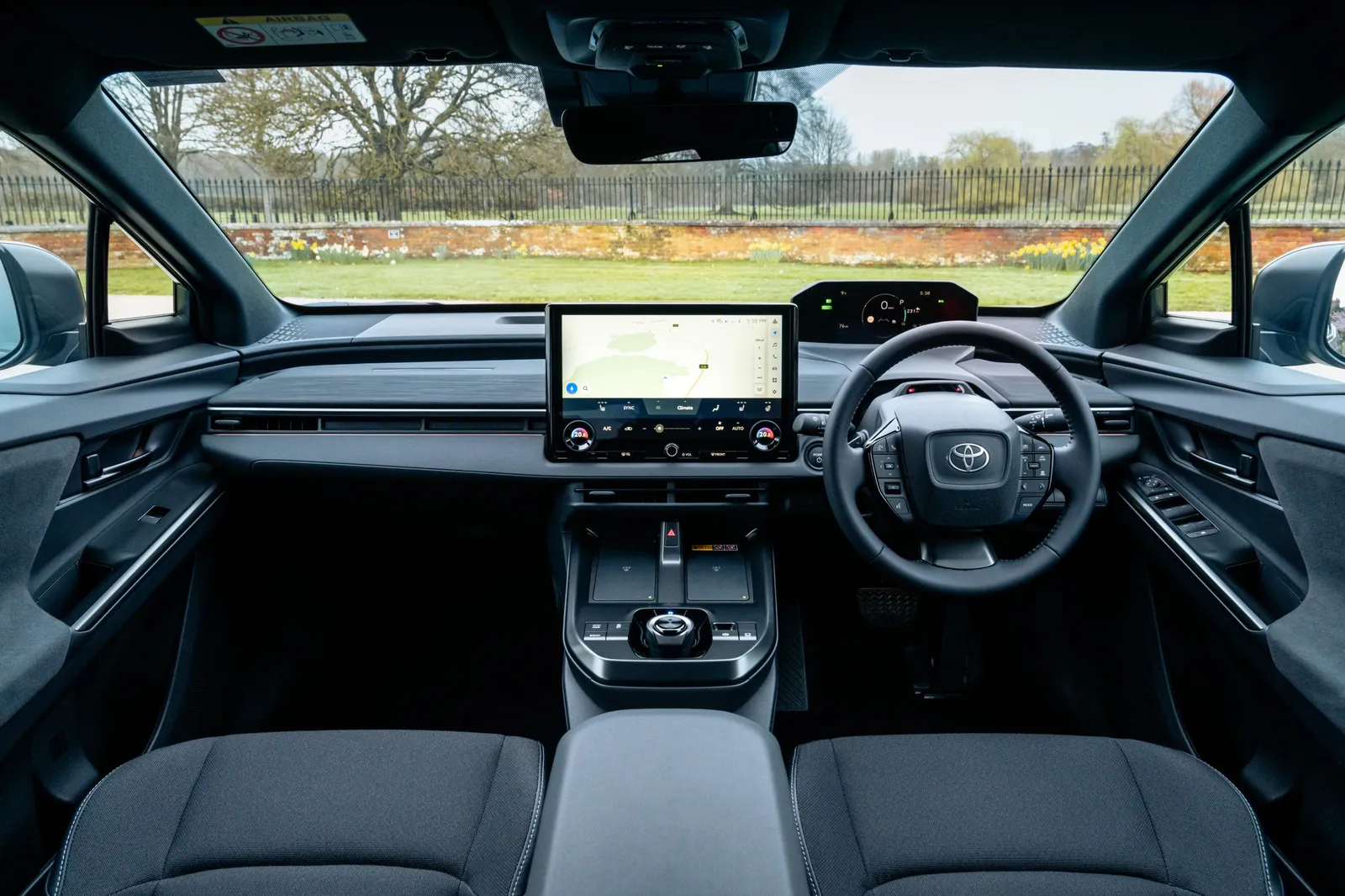
Material choices are one area where the C-HR+ differs from the bigger bZ. Depending on the grade, there are fabric or synthetic suede and synthetic leather options all made using recycled plastics to help reduce the car’s carbon footprint. Like the bZ4x, though, they’re a depressing palette of greys and black.
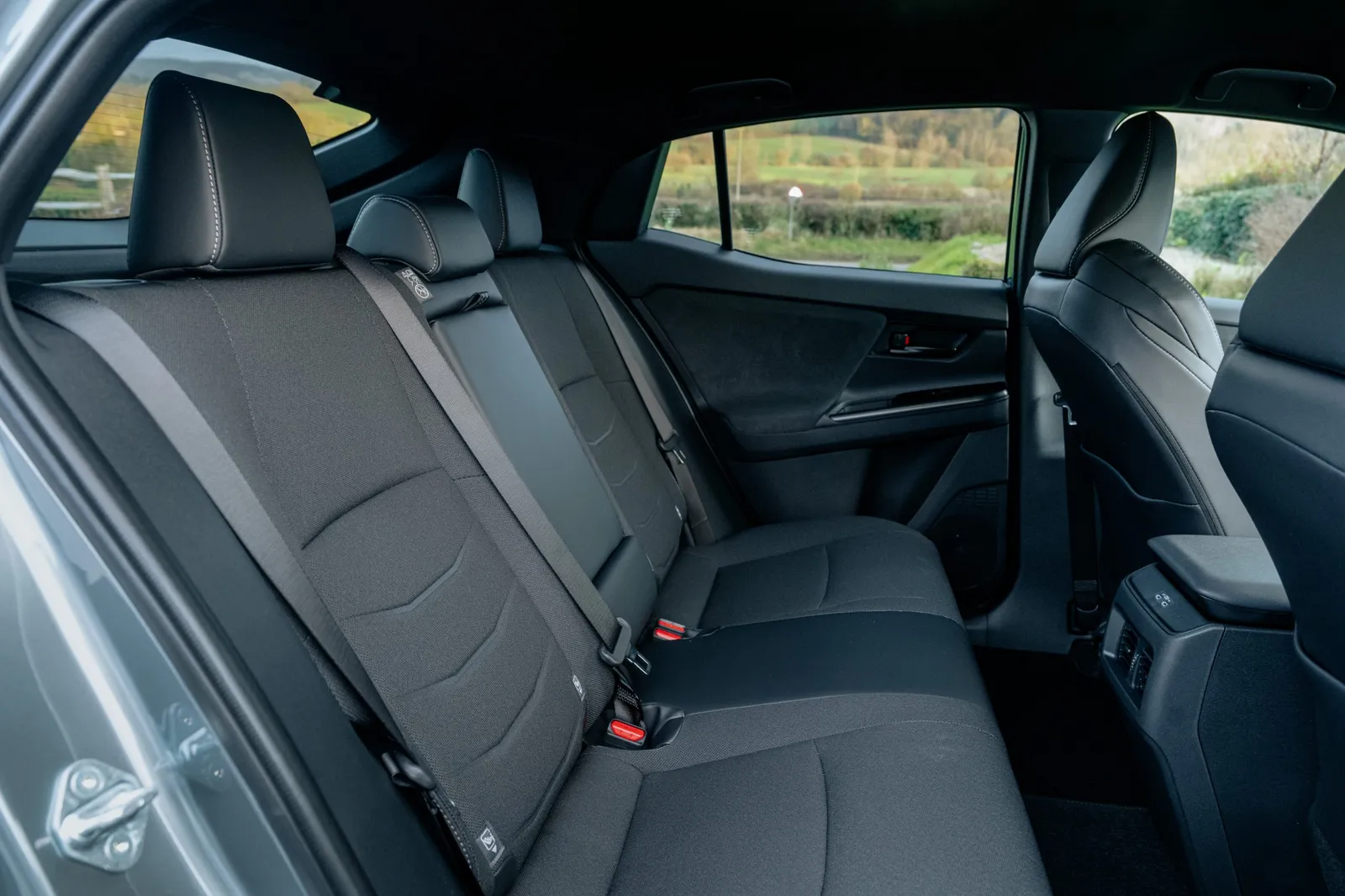
The other difference inside is that the C-HR+ is smaller than the bZ4X. When I first drove the C-HR+ I was unfair to the bZ and said there wasn’t much difference in terms of space. Having now tried to fit my family into both, it’s clear that the difference in rear space is more pronounced than I thought. There is room for four average adults on board the C-HR+ but taller drivers and passengers will find it restrictive. That’s not helped by the high floor, dropping roofline and monochrome interior, which create a feeling of being slightly pinched in the back seat.
Boot space also isn’t a strong suit. At 416 litres, it’s some way short of most rivals.
Technology and equipment
This being 2026, a big chunk of the C-HR+’s dashboard is taken up by a touchscreen. In this case, it’s a 14-inch one borrowed from Lexus. This houses a whole host of customisable menus with big, clear graphics and decent response times. However, the more time I spent with it, the more annoying I found it. It’s still better than 90% of the Chinese systems out there, but small idiosyncrasies and odd layout choices make navigating it frustrating. It lacks the simple approachability of European rivals like VW or even Kia/Hyundai’s icon-based systems that look and work more like a tablet or phone.
It does, at least, support wireless Android Auto and Apple CarPlay – once you’ve worked out how to connect them.
Away from the screen, every C-HR+ gets a comprehensive suite of driver assistance with adaptive cruise control, blind spot monitoring, front and rear parking sensors and safe exit assist that alerts occupants if they are about to open a door into incoming traffic. Higher-spec models add front cross traffic alert, lane change assist and 360-degree parking camera.
Range, battery and charging
The C-HR+ shares the bespoke E-TNGA platform with the bZ4X and, unsurprisingly, gets the same powertrains as its big brother.
That means an entry-level setup with a 54kWh battery paired with a 165bhp motor, delivering up to 284 miles of range. That puts it on a par with most other entry-level cars in this class.
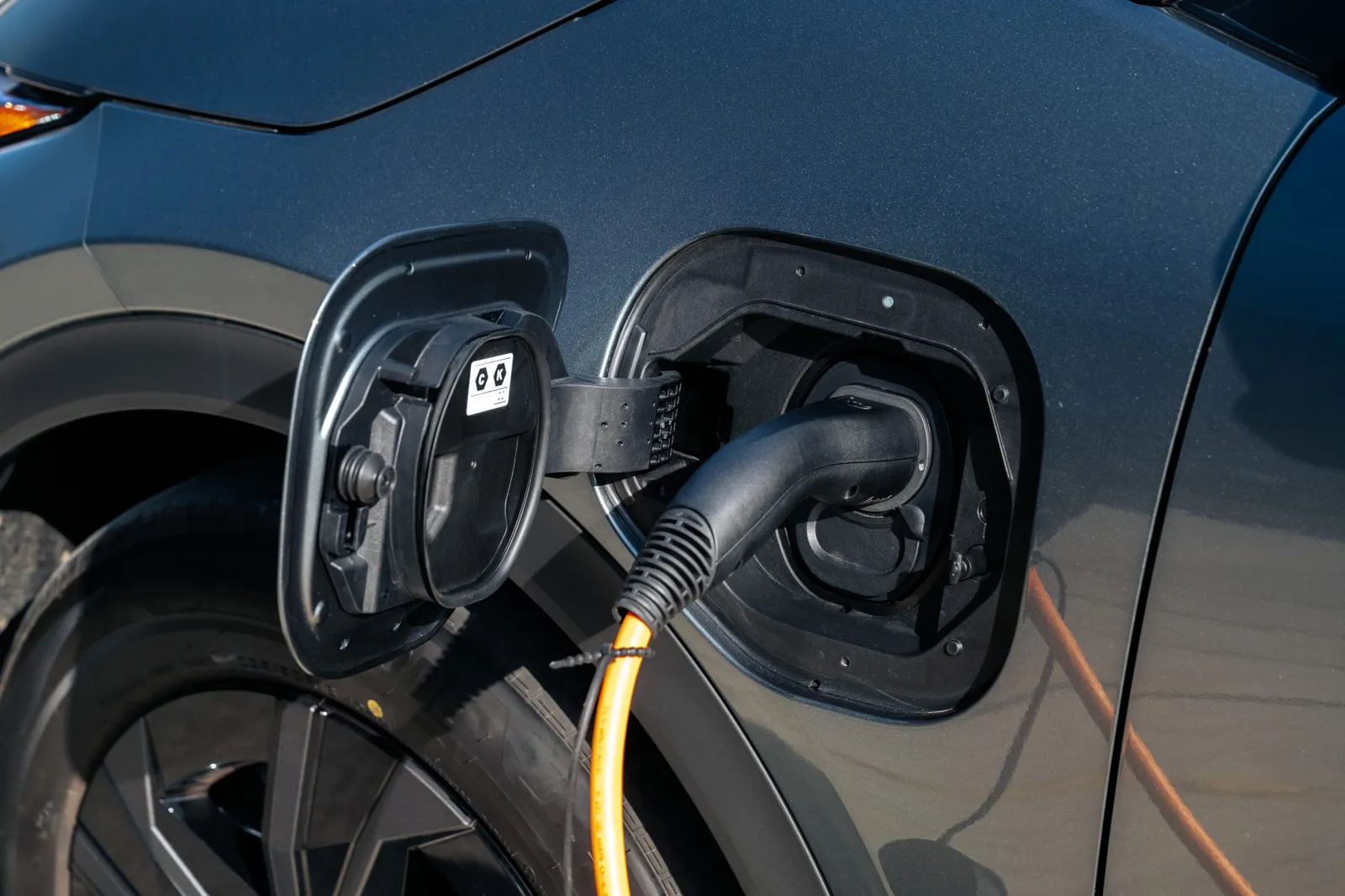
Above that is a 221bhp version with a 72kWh battery which offers up to 376 miles of range. That makes the C-HR+ one of the longest-range cars in its class (as long as you go for Design spec on 18-inch wheels). Real-world range is always a different story, but efficiency close to 4m/kWh means you should see 290-300 miles.
Peak charging is 150kW and 10-80% will take around 30 minutes. That’s pretty normal for the class, although some rivals such as the Elroq will charge faster. To help maintain efficiency and charging speeds, every C-HR+ gets a heat pump and battery preconditioning as standard.
Performance and driving
Sadly, there’s no sign of a GR C-HR+ using the 376bhp all-wheel-drive setup of the bZ4X Touring, but we can live in hope.
That would undoubtedly be pretty lively but the regular 221bhp motor does a decent job of shifting the C-HR+ along. A 0-62mph time of 7.3 seconds isn’t spectacular but it’s quick enough for a family SUV, even if it does start to run out of puff a little once you get towards motorway speeds.
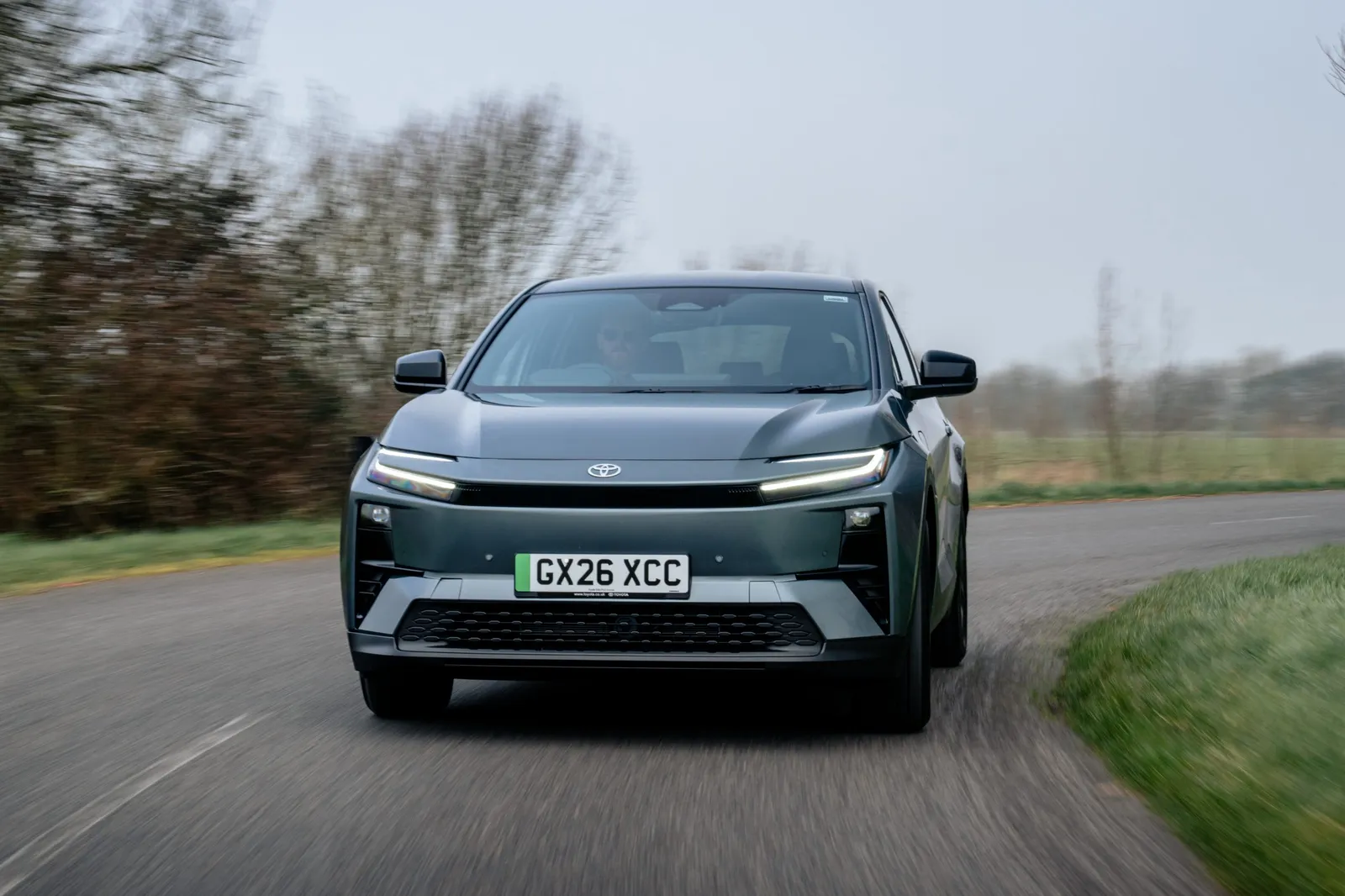
While Toyota’s two larger EVs share a platform, the suspension has been tuned to give the C-HR+ a more dynamic feel than the bZ4X. Steering, dampers and springs have been recalibrated, along with stiffer anti-roll bars and bushes to make this model handle more like its smaller hybrid sibling.
The result is something that feels tighter and neater than its big brother, and that rides better too. There aren’t lots of drive modes to affect throttle and steering, instead, the C-HR+ is simply set up to deliver a connected and relatively lively driving experience with decent steering feel, good body control and an impressively composed ride.
External noise is pretty well managed too, meaning the C-HR+ is an easy car to cover long distances in.
Price, trims and rivals
The C-HR+ range is nice and simple. There are two powertrain options and three trim levels.
All versions qualify for the band 2 Electric Car Grant of £1,500, which we’ve included in the prices below and means the C-HR+ is very keenly priced – not something that’s always true of Toyotas.
That’s important because this segment is awash with rivals include the Kia EV3 to the Renault Scenic, Ford Explorer, and MGS5.
Entry-level Icon grade costs from £32,995 and only comes with the smaller battery and less powerful motor. It still counts 18-inch alloy wheels, heated seats and steering wheel, dual-zone climate control, keyless entry and adaptive cruise control among standard kit.
Above that, Design grade starts at £36,150 and brings the bigger battery as standard along with a powered tailgate and tinted rear glass.
The range-topping Excel trim costs from £40,150 and brings faux leather and suede upholstery, a panoramic parking camera and powered driver’s seat adjustment. It also gets additional driver aids such as lane change assist, as well as 22kW AC charger as standard and 20-inch alloy wheels.
All versions are also covered by Toyota’s unrivalled service-activated 10-year, million-mile battery warranty.
Verdict 4/5
There’s no question that the C-HR+ is Toyota’s best EV so far. It’s far better realised than the Urban Cruiser and takes the basic parts of the bZ4X and improves on them, with better looks, better range and better driving.
But not only is it better than Toyota’s own models, the C-HR+ can also go toe-to-toe with the big guns of its segment. It doesn’t break new ground but its blend of quality and efficiency along with super-keen pricing put it squarely in the mix in this most competitive of markets.
For
Faultless build
Decent powertrain performance
Impressive value
Against
50 shades of grey interior
Unintuitive infotainment
Small boot
Fact file
Toyota C-HR+ Design
Price
£36,150 (£36,805 as tested)
Powertrain
Single-motor, front-wheel-drive
Battery
72kWh
Power
221bhp
Torque
198lb ft
Top speed
99mph
0-62mph
7.3 seconds
WLTP range
376 miles
WLTP consumption
4.64m/kWh
Real-world range
300 miles
Real-world consumption
4m/kWh
Charging
up to 150kW/10-80% in 30 mins
Boot space
416 litres
Insurance group
33-37
The rivals
Alternatives worth a test drive