
‘Throwing good money after bad’: Industry reacts to 2026 Budget
News
Leading figures claim latest plans exposes continued unfairness in Government’s approach to ICE and EV drivers
MA
Matt Allan
29 October 2026, 14:36 GMT · 3 min read
Leading figures in the EV industry have warned that the Government could be “throwing good money after bad” with its latest spending plans.
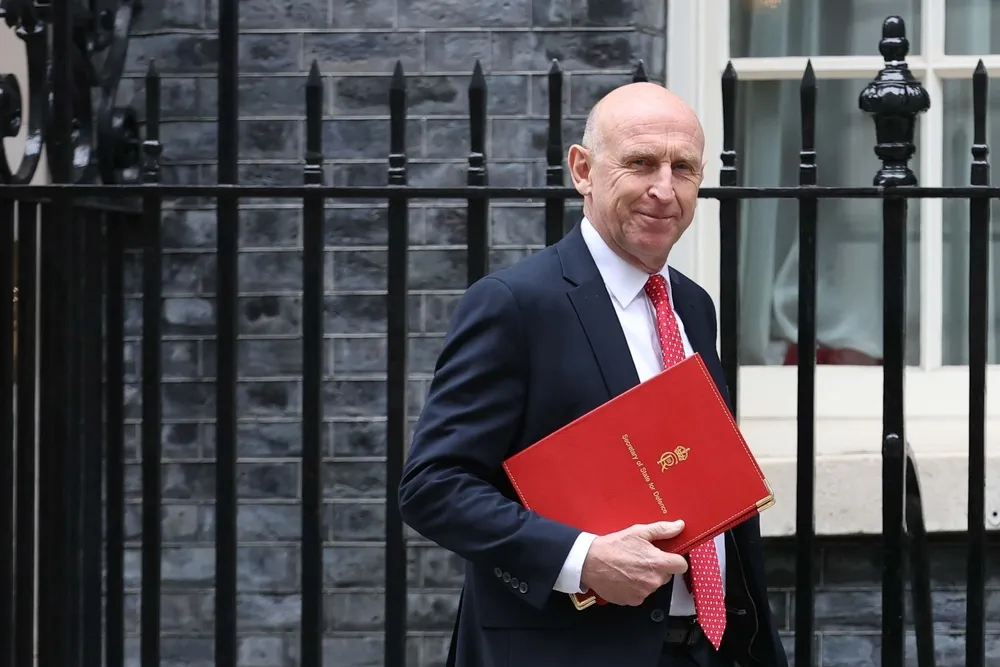
Chancellor John Healey announced in his Budget a continued freeze on fuel duty, which experts say dwarfs planned funding for EV charging.
As part of the Budget, the Chancellor confirmed £100 million to help cut charging costs at residential kerbside chargers. However, new analysis by New Automotive suggests that for every £1 spent on EV charging support, the Government has committed £13 in keeping petrol and diesel costs lower.
Analysis by the independent transport research organisation shows that extending fuel duty relief will cost the Exchequer £1.35 billion in lost revenue across 2026/27 and 2027/28.
Tanya Sinclair, CEO of Electric Vehicles UK, said the disparity, along with the Treasury’s refusal to rethink VAT rates on public charging exposed the Government’s contradictory policies on EVs.
She commented: “The Chancellor is throwing good money after bad. Instead of investing in a future where drivers are less exposed to volatile oil prices, he’s spending billions cushioning the cost of staying dependent on them.
“Nobody wants motorists paying more at the pump, but there is a difference between protecting drivers today and helping them escape high fuel costs tomorrow. Keeping public charging VAT at 20% while extending fuel duty relief is a missed opportunity to make cleaner motoring fairer. The Government talks about making the switch to electric easier, but its tax policy tells a very different story.”
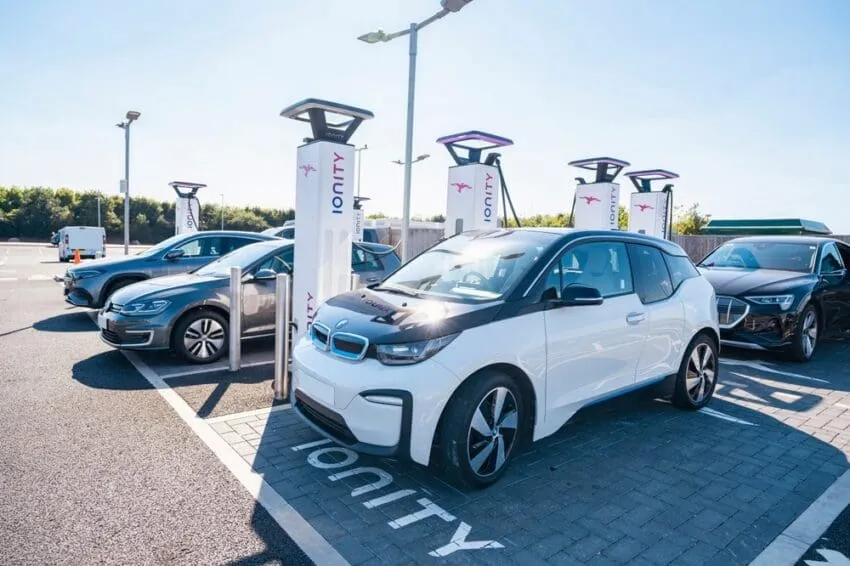
Ginny Buckley, chief executive of Electrifying.com said that the extension to the domestic VAT cut only further exposed the unfairness of the current system. She said: “Imagine paying more tax on electricity simply because you don’t have a driveway. That’s effectively what millions of EV drivers are being asked to accept.
“The Chancellor has extended relief for petrol and diesel motorists while leaving public charging VAT at 20% and extending zero VAT on home electricity. The Prime Minister talks a lot about fairness, but it’s hard to see the fairness in that.”
Oliver Brighton, CFO of char.gy, added: “The Chancellor has found room to extend tax relief for petrol and diesel drivers, but not to fix the unfair tax treatment of public EV charging. If you have a driveway, your electricity attracts 0% VAT for now. If you don’t, you’re charged 20% at a public charger. It’s the same electricity powering the same type of car. Why should where you park determine how much tax you pay? The Government has acknowledged the problem, but today’s Budget leaves that fundamental unfairness untouched.”
The leading figures in the EV industry warned that the confusing message around tax and fuel duty was only compounded by the confirmation that the pay-per-mile eVED will come into effect in 2028, potentially adding hundreds of pounds a year to running costs for EVs.
They warned that it risked undermining the transition and called for a more consistent approach to tax that protects all drivers and encourages a shift to cleaner transport.