
The AI Boom Is Making Ordinary Car Parts Harder To Get, Rivian Says
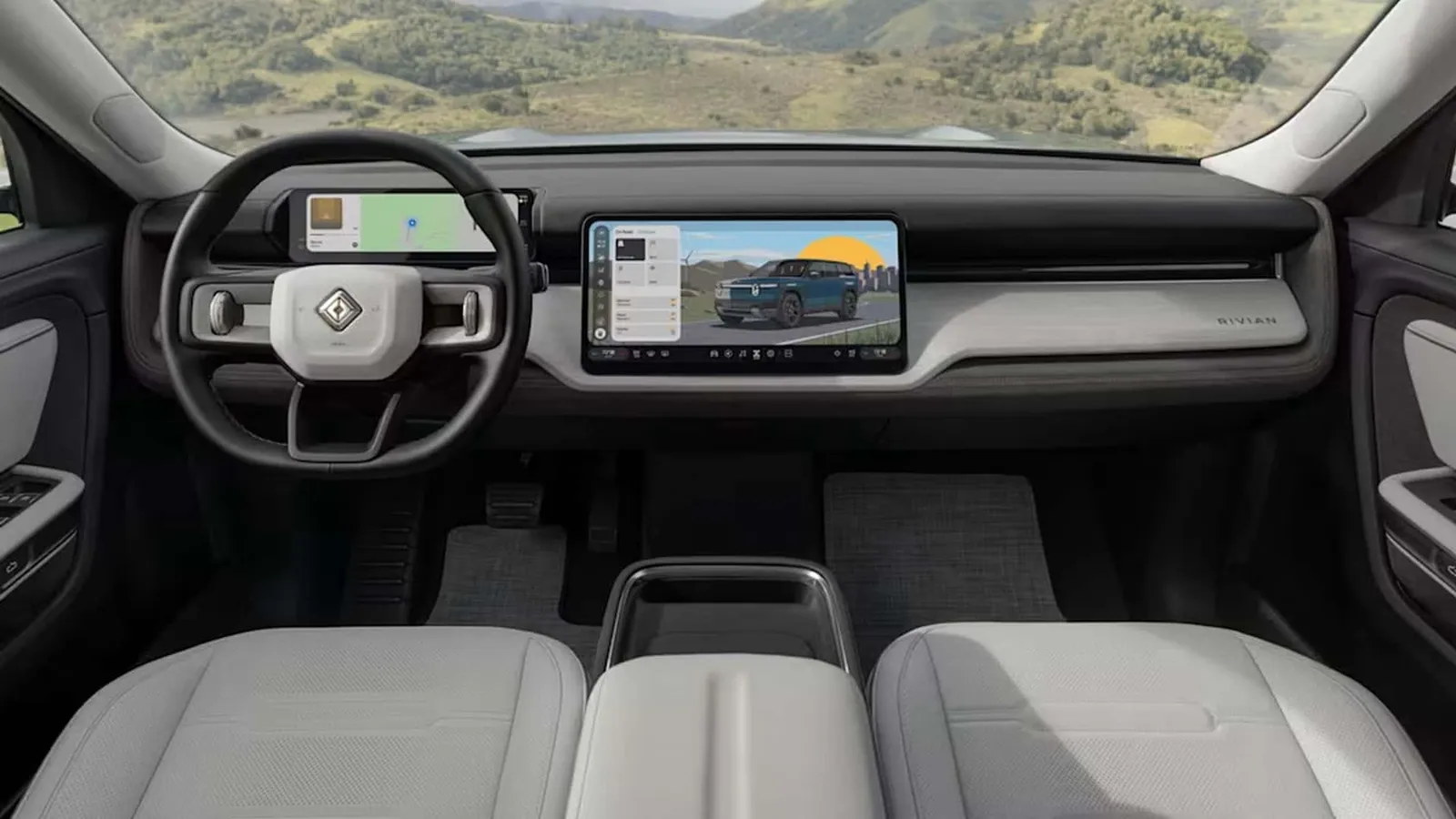
The AI boom is creating bottlenecks for basic components automakers rely on for increasingly tech-filled cars.
Rivian is now spending an "enormous amount of time" planning around memory chips, CEO RJ Scaringe said this week.
Printed circuit boards are also impacted, Rivian's hardware chief said.
Rivian is hoping to cash in on the AI boom through its work on a new in-car assistant, highly automated driving features, and a new robotics project. The data center frenzy is also complicating things for the EV startup by making previously commonplace components pricier and harder to source.
Rivian CEO RJ Scaringe and hardware chief Vidya Rajagopalan explained the situation during an interview with the venture capital firm Kleiner Perkins.
"Hardware is hard in ways that I think people don’t fully always appreciate until you’re in it," Scaringe said, adding that it takes thousands of suppliers—and suppliers to suppliers—to build a car.
Today, Rivian is having a more challenging time sourcing commodity components like memory chips, Scaringe said, as insatiable demand from AI players sends prices skyrocketing.
"Three years ago, we were not spending a lot of time thinking about memory. It was a commodity," he said. "And now an enormous amount of time goes into planning for memory, optimizing it at the board level, how we’re using it, and then really thinking strategically about how we source it."
A shortage of memory chips, particularly DRAM, or dynamic random access memory, is rippling throughout the tech world. DRAM manufacturers are directing capacity toward higher-margin sales to AI firms, creating bottlenecks for other industries like automotive. Apple blamed the data center-driven run up in memory costs when it hiked prices for its laptops and other devices earlier this year.
And auto players have been sounding the alarm too. In a filing earlier this year, China's Li Auto called out "significant supply tightness and price volatility in memory components, such as DRAM and NAND flash, which are essential for our smart cockpit and autonomous driving systems." Both GM and Ford noted higher memory costs on recent earnings calls, and both announced long-term supply deals with Micron this summer.
On Rivian's latest earnings call, Scaringe said Rivian is looking for ways to offset the rising costs of memory chips and other commodity components so it can hit the R2's advertised base price of $45,000.
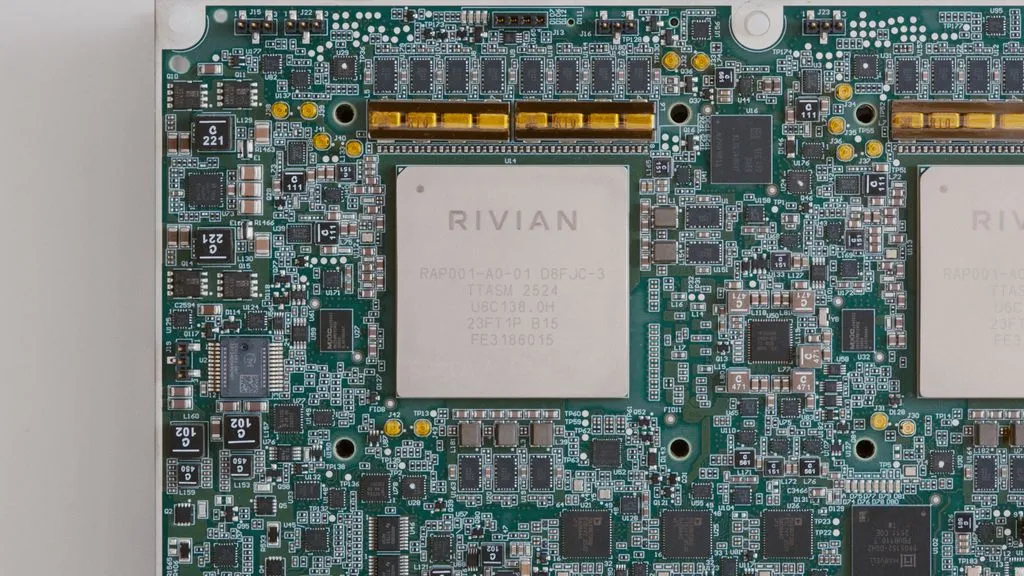
Rivian's Autonomy Compute Module 3, powered by the Rivian Autonomy Processor.
Photo by: Rivian
It isn't just memory that's causing headaches for Rivian. "We deal with this all the time, supply chain shortages, it's a bane of our existence," Rajagopalan said. "With the data center boom, a lot of the e-glass for [printed circuit boards] is really hard to find. And so you could have a component shortage in one space that totally throws you off." Multilayer ceramic capacitors (MLCCs), a basic circuit-board component, are another thing Rivian didn't pay much mind to before.
"MLCC capacitors, you never thought about them. You’re thinking about them now, right?" she said.
What do you think?
The tough environment comes as Rivian is ramping up its own AI and tech efforts with an in-house processor that's set to hit consumer R2s next year. Rivian says the RAP1 chip, along with a new lidar sensor, will help R2s achieve higher and higher levels of automated driving in the coming years.
Contact the author: Tim.Levin@InsideEVs.com
We Think You'll Enjoy