
Tesla Roadster takes flight, but road car faces a longer journey
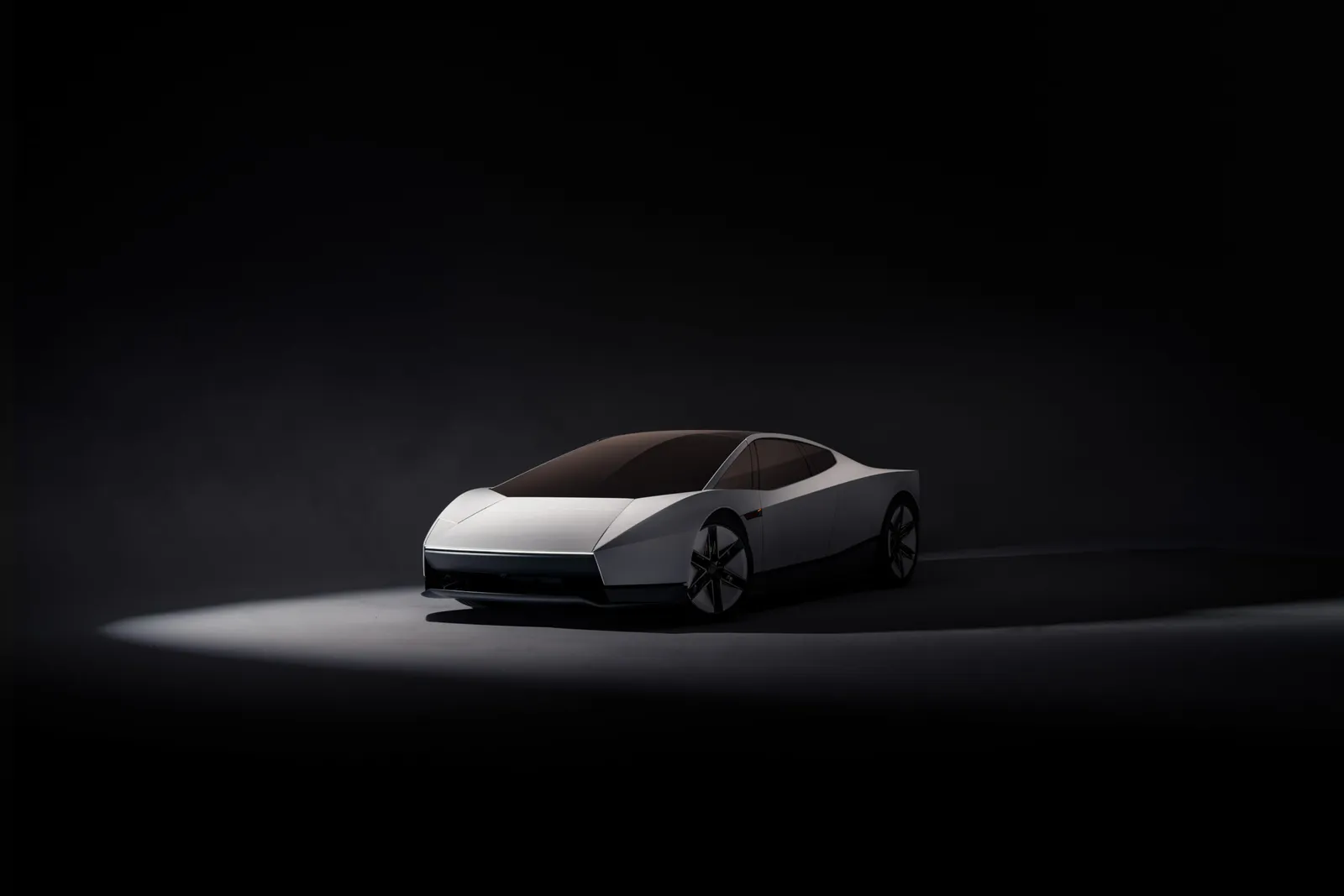
Tesla has made its long-delayed Roadster fly, but turning the spectacle into a car customers can buy remains unfinished business. The company unveiled its redesigned electric sports car in Texas on the night of 15 October, promising production in 2028 and demonstrating airborne manoeuvres using technology developed with SpaceX
The reveal on 15 October included a prototype driving upside down and jumping over vehicles. However, the distinction between that demonstrator and the eventual showroom product is crucial: Tesla is describing separate Performance, Thrust and Rocket configurations, with the flying Rocket version explicitly not approved for public road use.
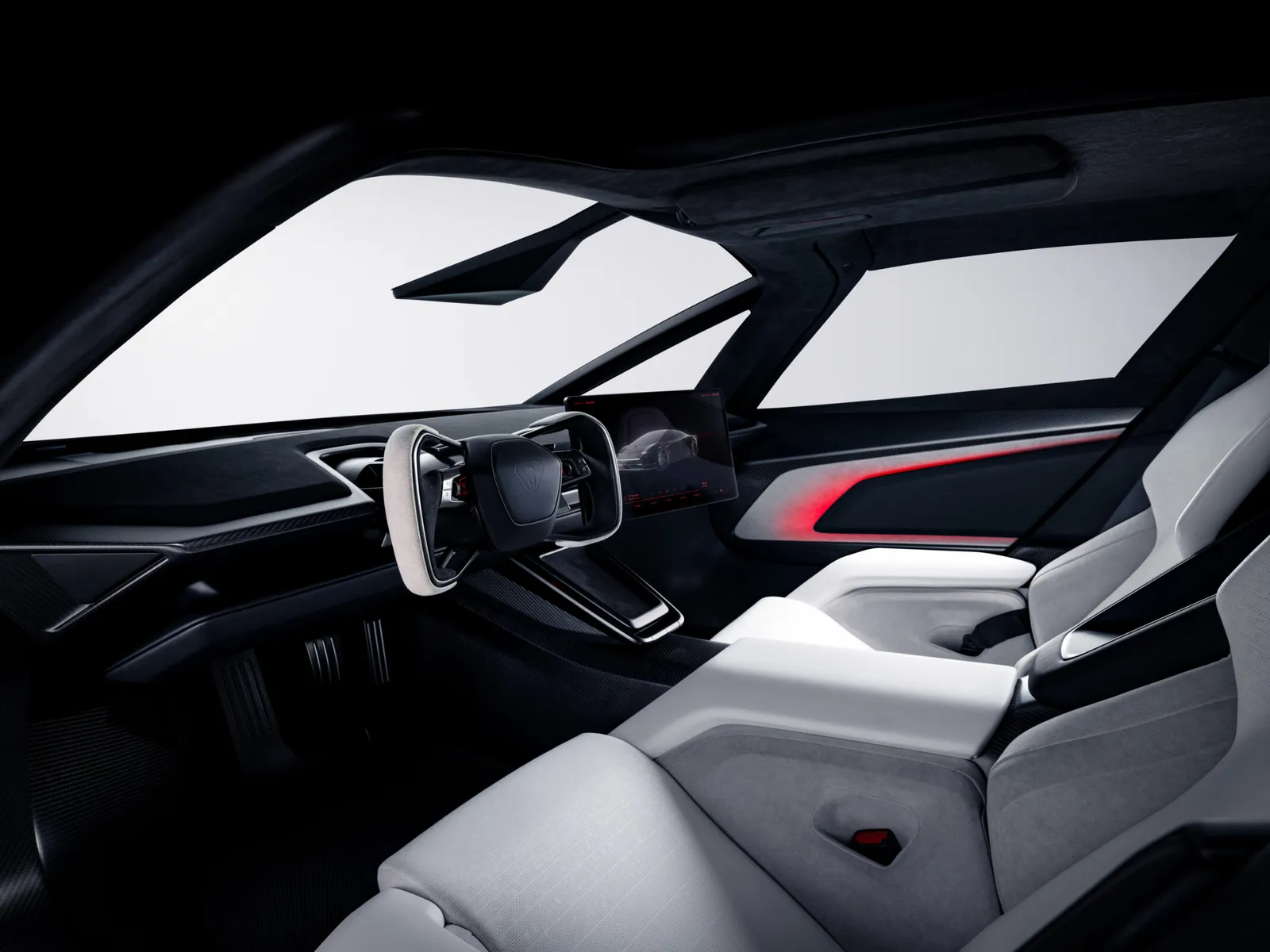
For prospective British buyers, the more relevant development could be the Performance model. Tesla describes this two-seater as road-ready, combining electric propulsion, active aerodynamics and a suction system, with a claimed 0–60mph time below 1.6 seconds. However, that remains a manufacturer claim, rather than an independently verified production-car result.
The Thrust configuration adds rear-mounted cold-gas thrusters and targets less than 0.9 seconds to 60mph. The single-seat, invitation-only Rocket extends the thruster arrangement around the vehicle to enable upward and rotational movement, with a claimed sub-0.59-second sprint. These are substantially different propositions, despite sharing the Roadster name.
Tesla has yet to announce final prices. Reuters reported reservation deposits of $50,000 for Performance and $250,000 for Thrust. Neither figure should be mistaken for a confirmed purchase price, while a production target does not establish when British customers might receive cars.
During the demonstration, Tesla claimed a 0–60mph run of 0.81 seconds. Its prototype climbed a curved ramp, inverted and returned to the ground using thrusters, before another airborne display over Tesla vehicles. The spectacle demonstrated capabilities that are extraordinary for a car, but did not establish everyday usability or production readiness.
The question remains whether the flying version can become a viable customer product. The central concern is packaging: accommodating pressure vessels, plumbing and thrusters alongside batteries, motors, occupants and the structures needed to protect them. It's also questionable how much weight a production specification would add, and whether the demonstrated performance could survive those changes.
Those are pertinent questions, although the available evidence does not support every conclusion. The launch presentation claimed approximately 250kg of air in tanks with a combined volume of 600 litres. Similarly, photographs alone cannot establish that the demonstrator has an unusually small battery or that a production powertrain cannot fit. Those assertions require detailed specifications and engineering evidence.
Pressure-vessel safety nevertheless deserves scrutiny. NASA's work on composite pressure vessels illustrates both sides of the issue: higher pressures improve storage density but increase the consequences of rupture, making design and testing essential. For Tesla, useful answers would include how the tanks are protected in a collision, how damage is detected and what inspection or replacement procedures owners must follow. Their presence does not prove the vehicle unsafe, but a dramatic demonstration cannot establish durability over years of customer use.
There is also a question about the energy required to replenish the air supply. Tesla's presentation said the vehicle could recharge its own tanks. That still leaves practical questions about replenishment time, energy consumption and how many full-performance manoeuvres are available before the system must recover.
A buyer needs to know whether the headline acceleration is repeatable and under what conditions. Battery charge, tank pressure, temperature and the selected configuration should all be disclosed alongside any performance claim. Without that context, a single spectacular launch offers limited guidance about an afternoon's driving.
Noise, displaced air and the safety of nearby people are further concerns. Could thruster operation obstruct other drivers' visibility or create unacceptable disturbance? Those possibilities warrant investigation, but there is insufficient published evidence here to declare particular noise limits breached or the exhaust flow supersonic.
Nor should the car's airborne demonstration automatically be treated as evidence of an approved aircraft. Tesla's own separation of the road-focused and flying configurations is more useful than speculation about which regulator might ultimately permit which manoeuvre. Public-road operation and controlled demonstrations present different questions.
The fan system could have a clearer automotive purpose. Britain's McMurtry already demonstrates the principle with its electric Spéirling, whose manufacturer quotes up to 2,000kg of downforce from standstill. McMurtry also demonstrated upside-down driving in 2025, showing that this particular feat is not unique to Tesla.
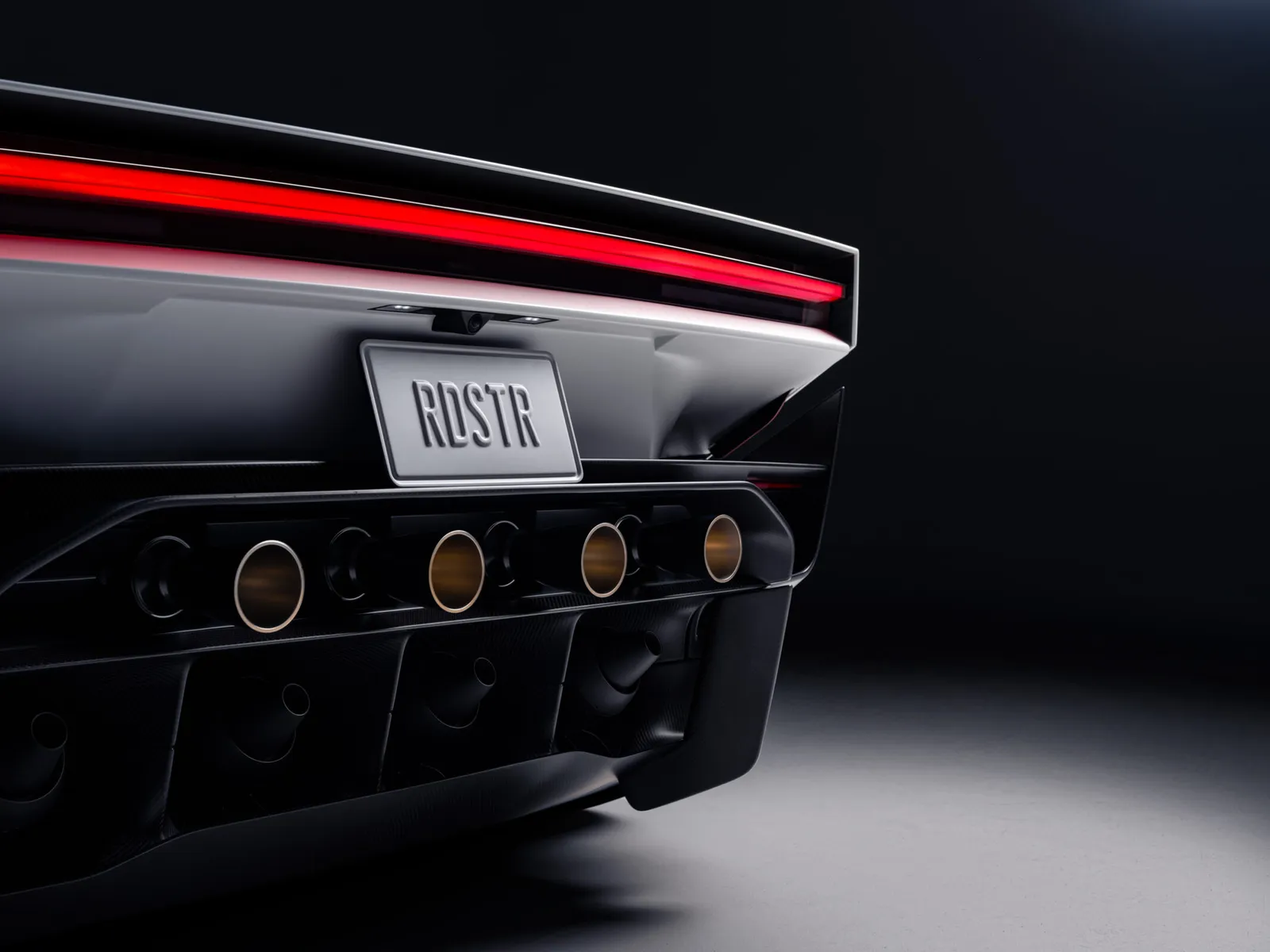
By drawing air from beneath a vehicle, a suction system can generate grip without waiting for road speed to build so that body aero can provide downforce. That makes it relevant to acceleration, braking and cornering. It also helps explain why a Roadster without airborne capability could remain an interesting performance EV in its own right.
The Performance version of the Roadster is therefore the more plausible customer proposition, with batteries, motors and a substantial fan, although the full specification remains hazy even here. More scepticism can be directed at translating the flying demonstration into a practical product, rather than dismissing the prospect of another electric Tesla sports car.
The timetable remains an unavoidable qualification. Tesla first revealed its second-generation Roadster in 2017, with deliveries originally promised for 2020. A 2028 production start would therefore come eleven years after that unveiling, following a lengthy succession of changed expectations.
The proposed car has also changed. Earlier promises included four seats and 620 miles of range; current launch reporting describes two seats in Performance and Thrust, one in Rocket, and a range claim exceeding 300 miles. Buyers awaiting the original concept are now considering a materially different vehicle.
For them, the next significant milestone will be a settled specification, a final price and evidence of a repeatable manufacturing process. Thursday's display supplied memorable footage, but it left the questions that determine ownership, from servicing and insurance to delivery timing and usable performance, awaiting considerably more detail.
You can reserve the Roadster on the Tesla website.