
Swaptopus inches towards reality as CATL reveals new semi truck battery
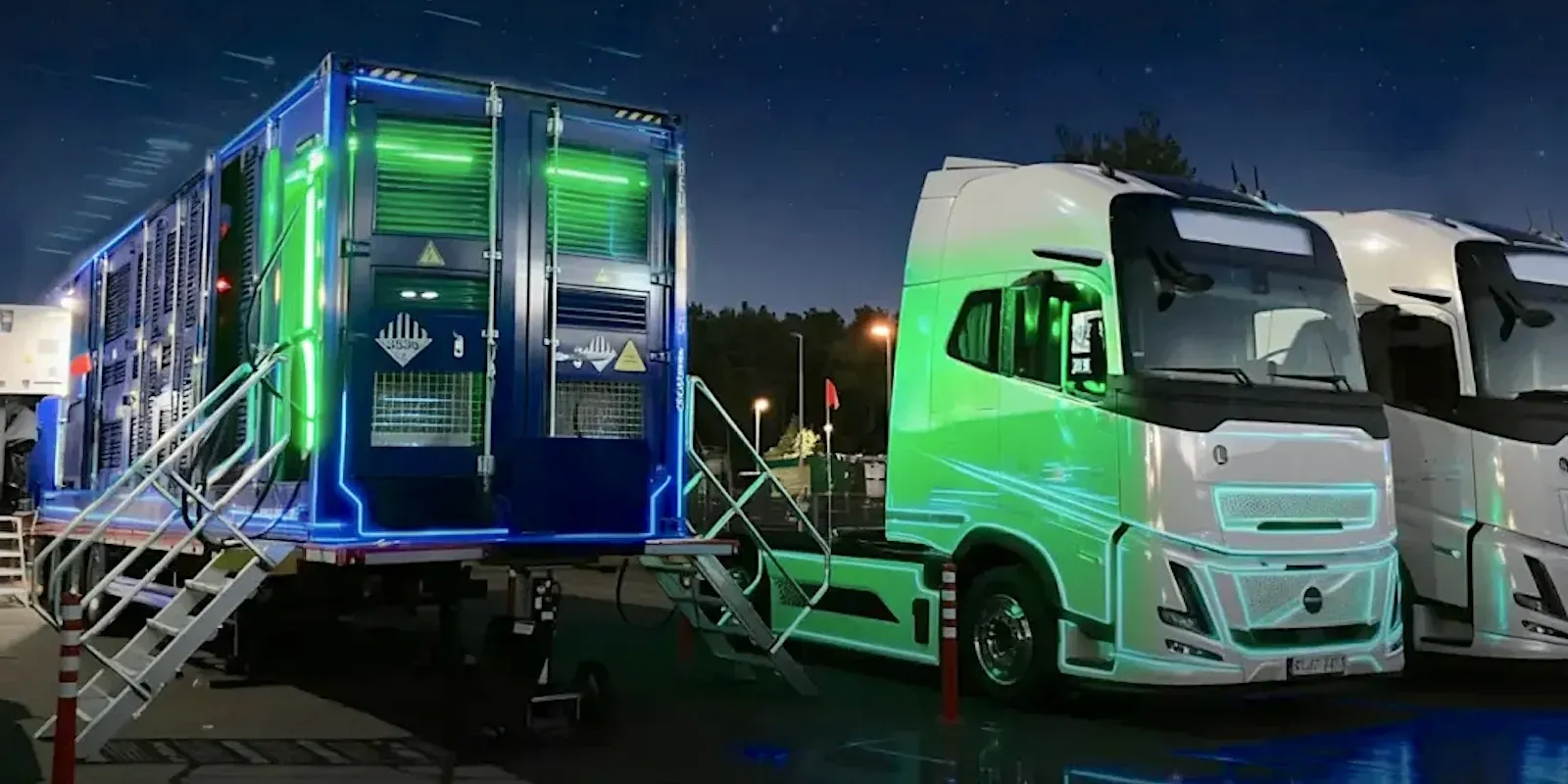
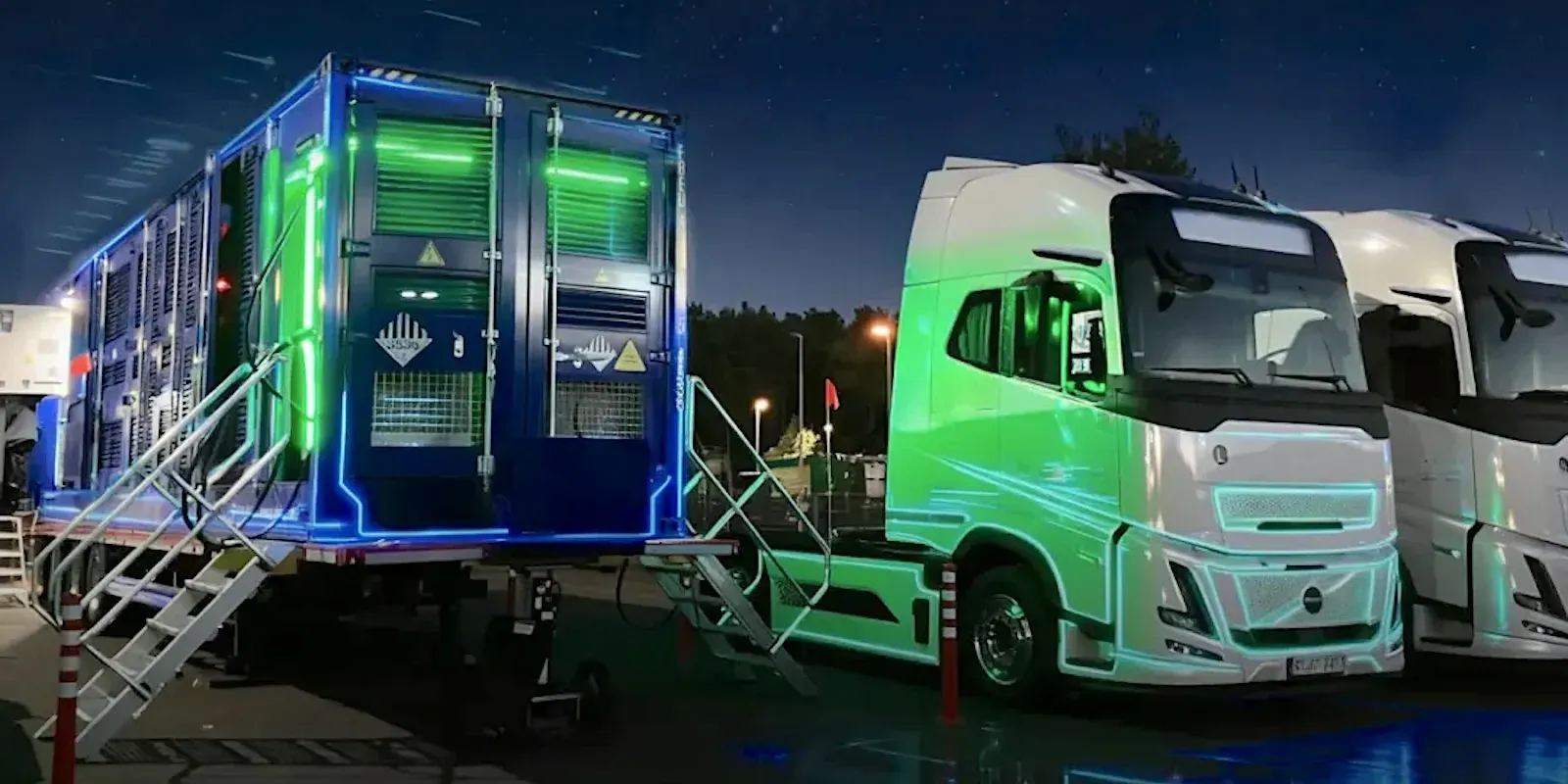
In a move that challenges Orange Juicer and Buick Electra for the highly coveted Best Name in the EV Business title, a new venture between CATL and Octopus Energy called “Swaptopus” has been formed to build out a European battery swap network for commercial trucks.
First announced at Octopus Energy’s Energy Tech Summit back in June, the Swaptopus concept got a bit of a boost at last week’s IAA Transportation event in the form of TECTRANS II, a next-generation commercial vehicle battery solution built specifically to serve as a modular, universal electric truck platform that promises to eliminate long charge times and battery life concerns that have remained key barriers to commercial fleet electrification.
According to the original CATL press release for TECTRANS II, the new battery system improves fleet economics in three ways:
Higher energy density – boasting a gravimetric energy density of 170 Wh/kg, around 13% above the industry average, the battery enables vehicles to carry approximately 0.6 tonnes of additional payload at the same battery capacity.
Longer Range, Faster Charging – its maximum configuration offers up to 1,000 km of range and 80% charging in 25 minutes with megawatt-level fast charging, minimizing downtime on long-haul routes.
Higher energy efficiency – the world’s first full-tab low-impedance design enables 96% system round-trip efficiency (RTE), reducing charging losses and delivering more usable energy for daily operations.
“Commercial vehicle electrification will unfold over more than a decade,” said Zhu Lingbo, CTO of CATL Global Business Unit. “With our deep technological expertise and long-term commitment, CATL is ready to be the most reliable partner for customers worldwide and for the global electrification of freight transport.”
Once in full swing, CATL and Octopus claim their proposed network could support 300,000+ electric trucks and unlock more than £30 billion in private investment while creating jobs and reducing Europe’s dependence on imported oil by replacing fossil fuels with sustainably produced electricity.
It takes a village
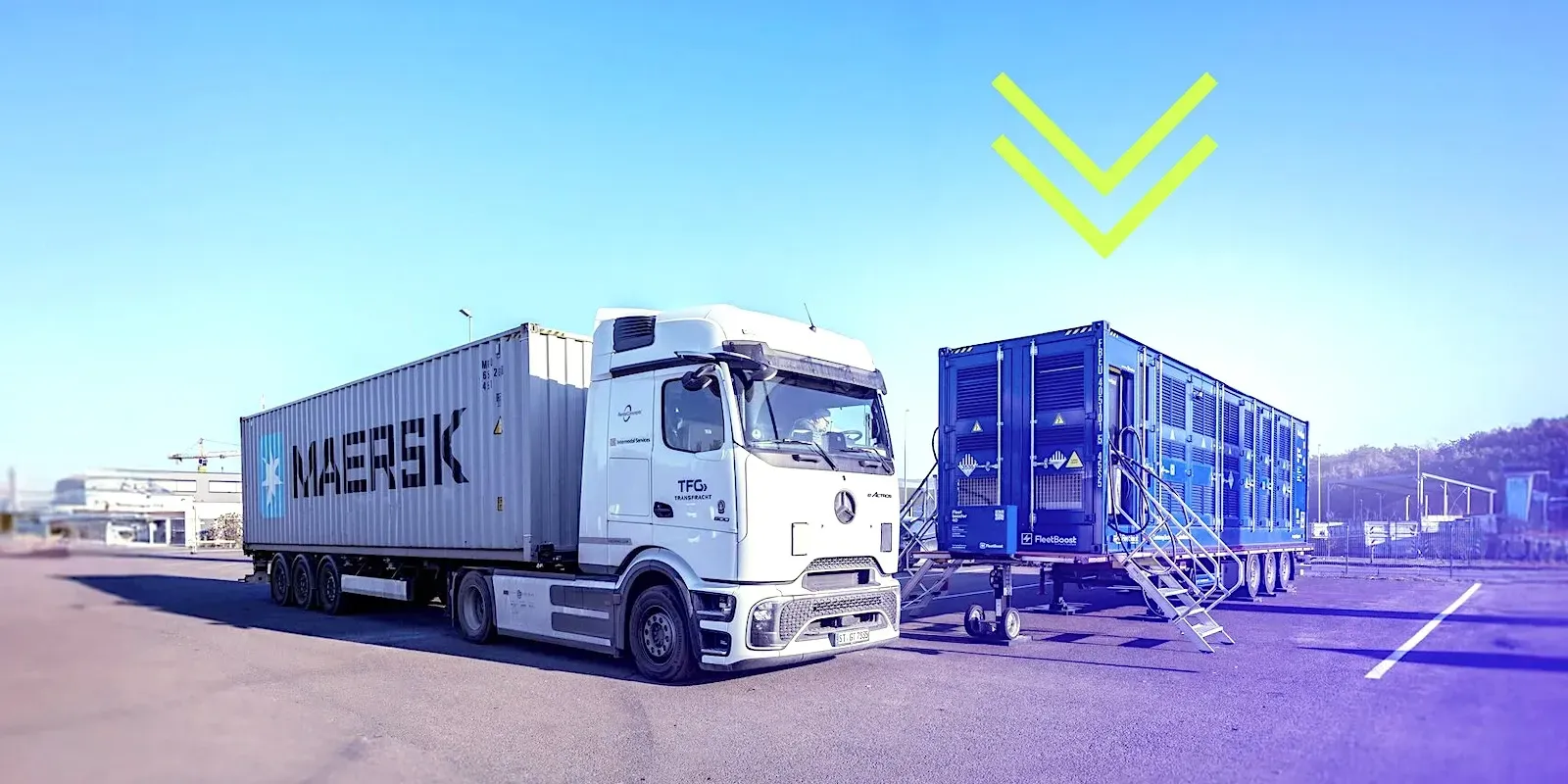
Along with Octopus, CATL announced that it’s signed a Memorandum of Understanding (MoU) with global shipping giants DHL Group that aims to accelerate the electrification and decarbonization of road freight transportation across Europe by engaging a broad coalition of industry stakeholders that includes Xiaomi-backed mobile power plant specialists Quibo Energy and FleetBoost, who provide mobile charging and battery energy storage systems (BESS), including the “FleetBooster” trailer (shown, above) which integrates CATL battery technology.
This level of collaboration points to an industry united in a single goal: avoiding high fuel prices decarbonization.
Akin Li, Executive President of CATL Overseas Business, emphasized that sort of “holistic” approach to fleet decarbonization, saying, “by combining real logistics demand with vehicles, charging, energy storage, battery swapping and lifecycle services, CATL plans to work with DHL and other ecosystem partners to create practical and scalable solutions for zero-emission freight.”
For DHL Group, the partnership is a critical next-step toward its corporate goal of achieving net-zero logistics-related emissions by 2050, following other steps we’ve covered in these pages here and here.