
Polestar and Oxford study puts driving thrills beyond horsepower
Electric cars need more than blistering acceleration to deliver a thrilling drive, according to a pilot study by University of Oxford researchers and Polestar, which suggests confidence, control and concentration are central to how drivers experience performance.
The research compared two versions of the Polestar 4 at Sweden’s Gotland Ring circuit. On matched fast laps, the Dual motor model with Performance pack delivered 32% higher peak acceleration and required 15% less steering effort than the Rear motor version, despite the cars travelling at virtually identical average speeds.
Drivers rated the Performance model more highly for both dynamics and overall experience. Interviews suggested that the appeal went beyond physical excitement: participants valued the combination of strong bodily sensations and trust that the car would respond predictably, with several comparing it to a “controlled roller coaster”.
However, the findings come from a feasibility study involving just 12 experienced Polestar drivers. Researchers say a larger investigation is needed before the results can be treated as validated conclusions, and the available measurements could not fully distinguish excitement from physical exertion.
Announced on 20 October, the project brought together the University of Oxford’s SDG Impact Lab and Polestar to investigate something conventional specifications struggle to describe: what performance actually feels like from behind the wheel.
“Performance is not simply about going faster,” said Max Klapow, Doctoral Researcher at the Oxford SDG Impact Lab. “It is about giving the driver a sense of confidence and control through predictable vehicle responses. Our research takes a step towards measuring that human experience, by connecting what the car does with what happens to the driver.”
The question has particular relevance for electric vehicles. Powerful EVs can deliver acceleration once reserved for exotic sports cars, while removing engine noise, vibration and gear changes that traditionally helped communicate speed and mechanical involvement.
As impressive performance figures become more widely available, the researchers argue that the character of the driving experience becomes increasingly important. Their aim was to assess whether vehicle data, physiological measurements and drivers’ own accounts could provide a useful way of examining it.
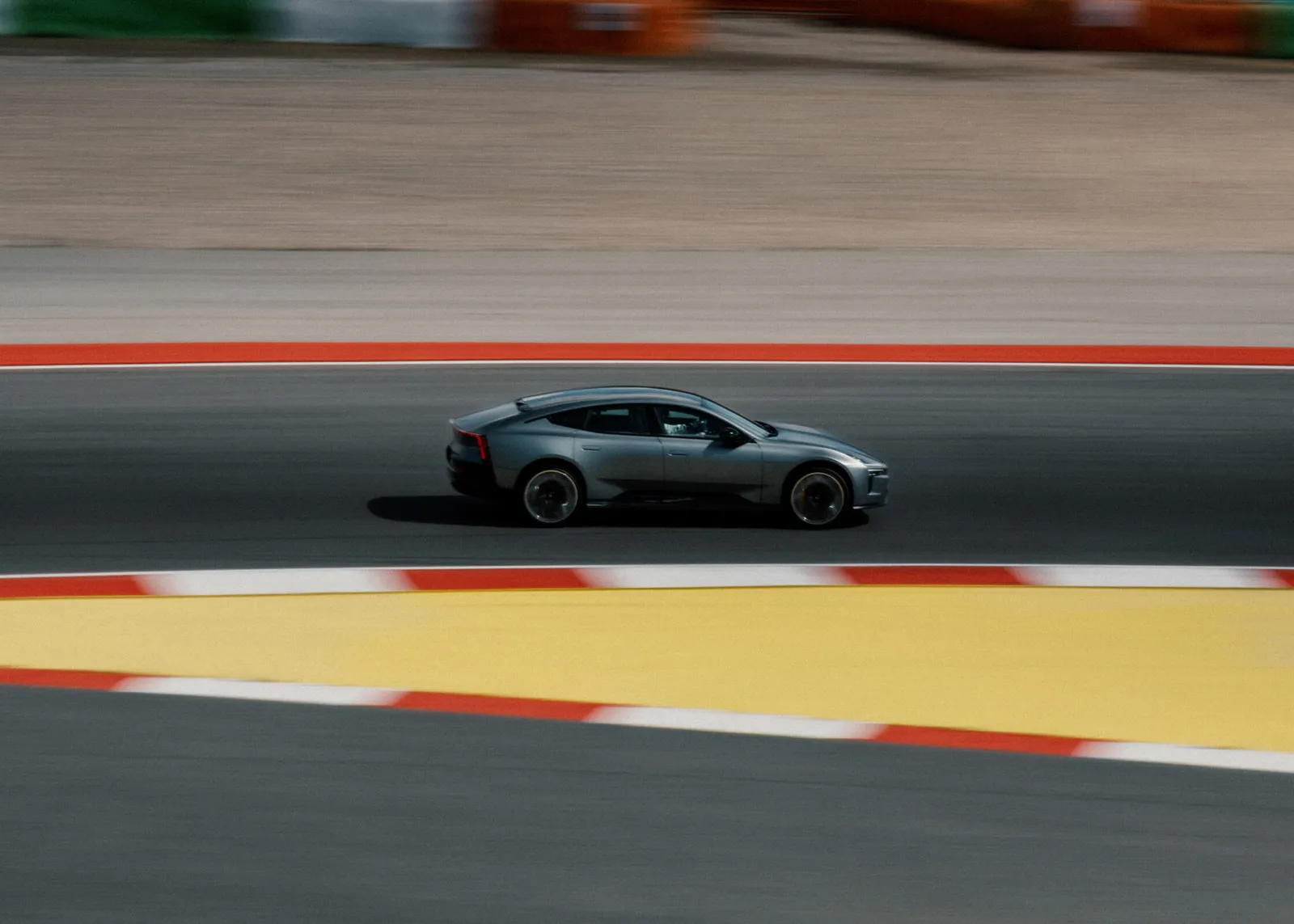
An earlier survey of 60 Polestar owners across 15 countries helped shape the questions and interviews. Each participant drove both Polestar 4 variants in calm and dynamic conditions, giving every driver experience of all four combinations. The order of the cars was counterbalanced between participants, and a lead vehicle set the pace. Using two versions of the same model kept the cabin, interior and controls consistent, helping researchers focus on differences in performance. The Rear motor car produced 200kW, while the Dual motor with Performance pack offered 400kW.
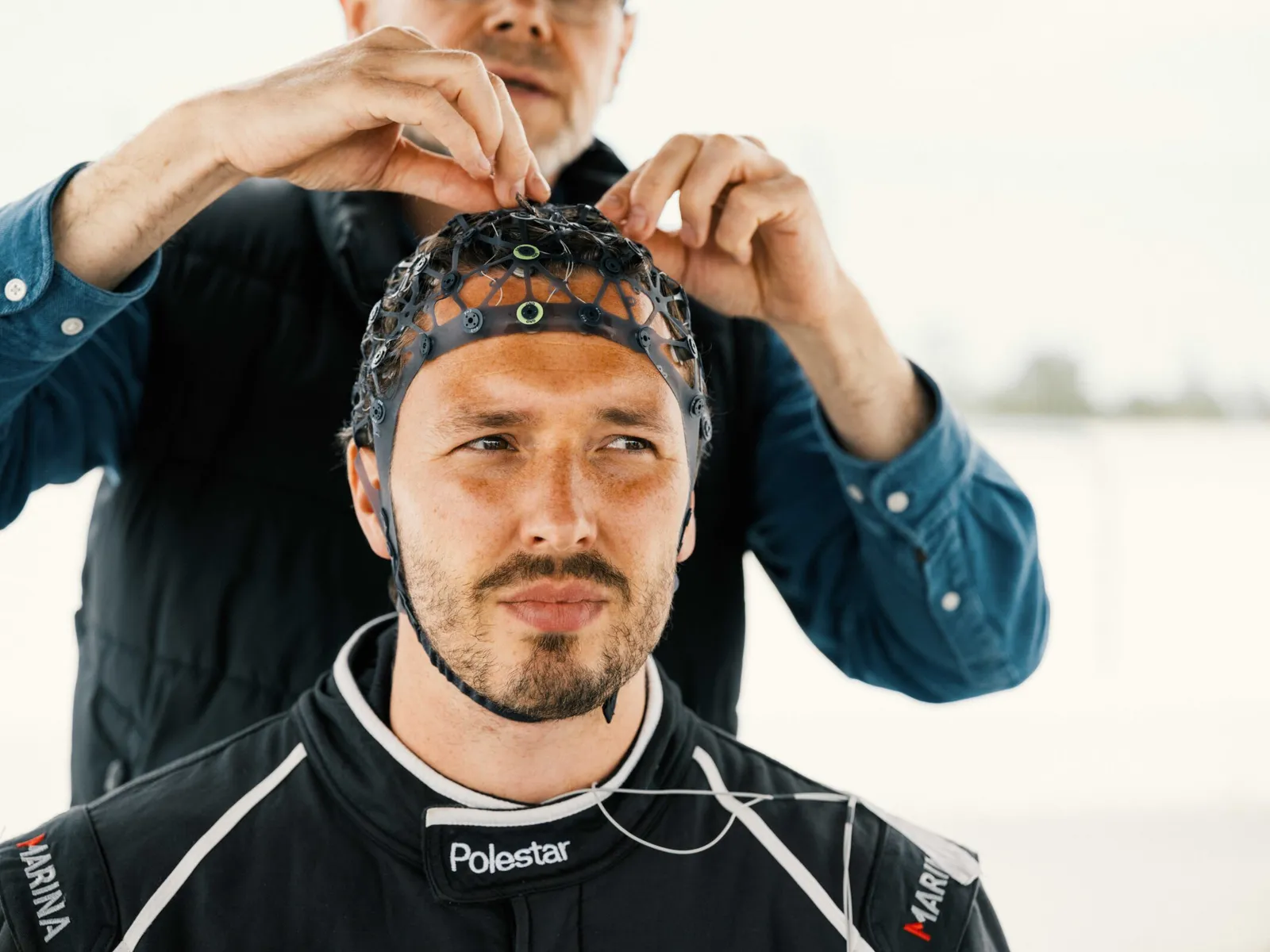
Researchers collected heart rate, skin conductance and eye-tracking data, alongside exploratory brain-activity measurements. Vehicle telemetry recorded speed, acceleration, cornering loads, steering and braking, while questionnaires and interviews captured the drivers’ impressions. Full telemetry was available for six participants. Across this group, matched fast laps produced average speeds of approximately 79km/h and 78km/h, but the way the cars achieved that pace differed substantially.
The Performance version delivered higher peak acceleration for all six drivers, alongside hard-acceleration events occurring almost nine times as frequently. Peak cornering loads were 9% higher, while steering effort fell by 15% for every driver with telemetry. These differences suggest that a similar overall pace can conceal a noticeably different experience. The more powerful car provided stronger acceleration and greater cornering capability while demanding less work at the wheel, rather than simply recording a substantially higher speed.
The questionnaire developed specifically for the study also separated the cars. Drivers awarded the Performance model 89.2 out of 100 on its Performance/Dynamics measure, compared with 67.7 for the single-motor version. Scores for overall experiential quality were 93.0 and 77.9 respectively. Most participants rated the Performance car higher on both measures, and their assessments of that version were more closely grouped. However, a separate confidence-related measure showed little difference between the cars. Researchers believe its wording needs revision and declined to draw conclusions from it.
Interviews provided a fuller picture of what participants meant by thrill. Drivers described pounding hearts, involuntary laughter and a floating sensation in the stomach, alongside intense focus and confidence in the vehicle’s responses. Trust appeared crucial to whether those sensations felt enjoyable. Without it, similar physical intensity could be experienced as stress or danger. Participants linked confidence to steering response, chassis balance and road feel, with one saying the car “makes you feel like a better driver than you are”.
The Performance model was more consistently associated with this combination, although some drivers found the single-motor version engaging because it required more active involvement.
Physiological measurements added another perspective. During dynamic driving, participants blinked less, their pupils enlarged and they held their gaze longer, patterns consistent with greater attentional engagement. Heart rate and skin conductance also rose, although these measures showed no reliable difference between the cars.
Across the six drivers with complete data, the strongest association with physiological activation was longitudinal jerk: the abruptness of changes in acceleration and braking. This ranked ahead of speed and overall g-load, suggesting that transitions such as accelerating out of a corner may be particularly important to the experience.
“As electric cars redefine what performance can be, we wanted to understand something that can't be captured by a specification sheet alone: the human experience behind the wheel,” said Christian Samson, Head of Product Attributes at Polestar. “Working with University of Oxford allows us to look at performance through a different lens – connecting the engineering of the car with the experience of the person driving it.”
The researchers envisage practical applications for chassis development, allowing engineers to examine whether changes improve the experience as well as measurable capability. The approach could also provide evidence for claims about driving enjoyment. Nevertheless, the report makes clear that this was preliminary work. There were too few participants for formal significance testing, some instruments suffered data-quality problems, and demanding driving involves steering and bracing that can raise heart rate independently of emotion.
Polestar funded the research, recruited participants and supplied the vehicles, circuit access and logistical support. The research team retained responsibility for study design, methodological decisions and analysis.
A proposed second phase would use a substantially larger sample, improve location tracking and better separate emotional excitement from physical effort. Researchers recommend retaining heart-rate monitoring and eye tracking, but dropping EEG from the default setup because movement created excessive interference.
They also caution against reducing driving enjoyment to a single “thrill index”. Pleasantness, bodily activation, control and absorbed attention capture different aspects of the experience. Understanding how those elements work together, rather than chasing another headline number, is the next task.