
Plug-in port: Brazilian Port of Santos electrifies DP World terminal
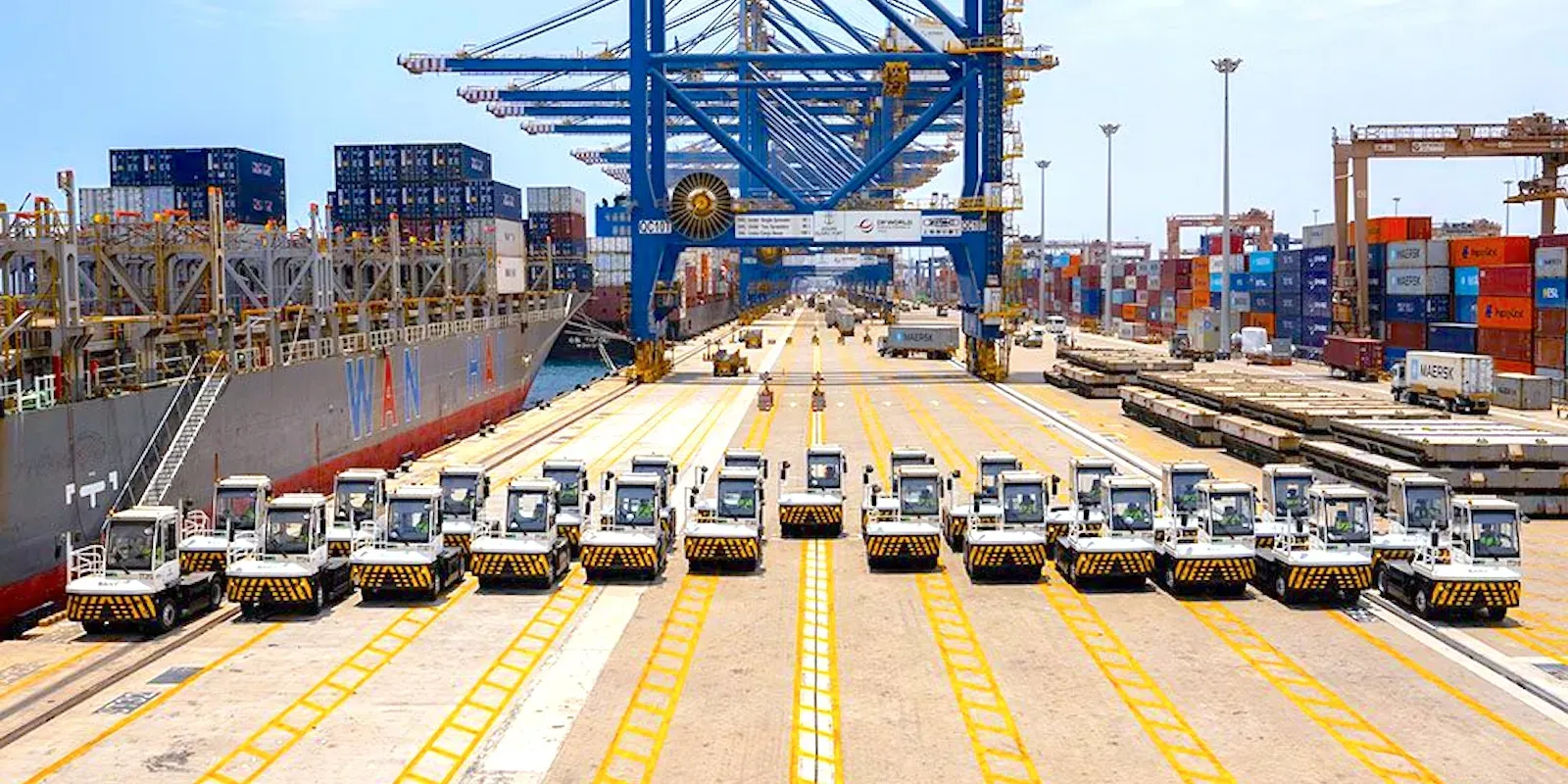
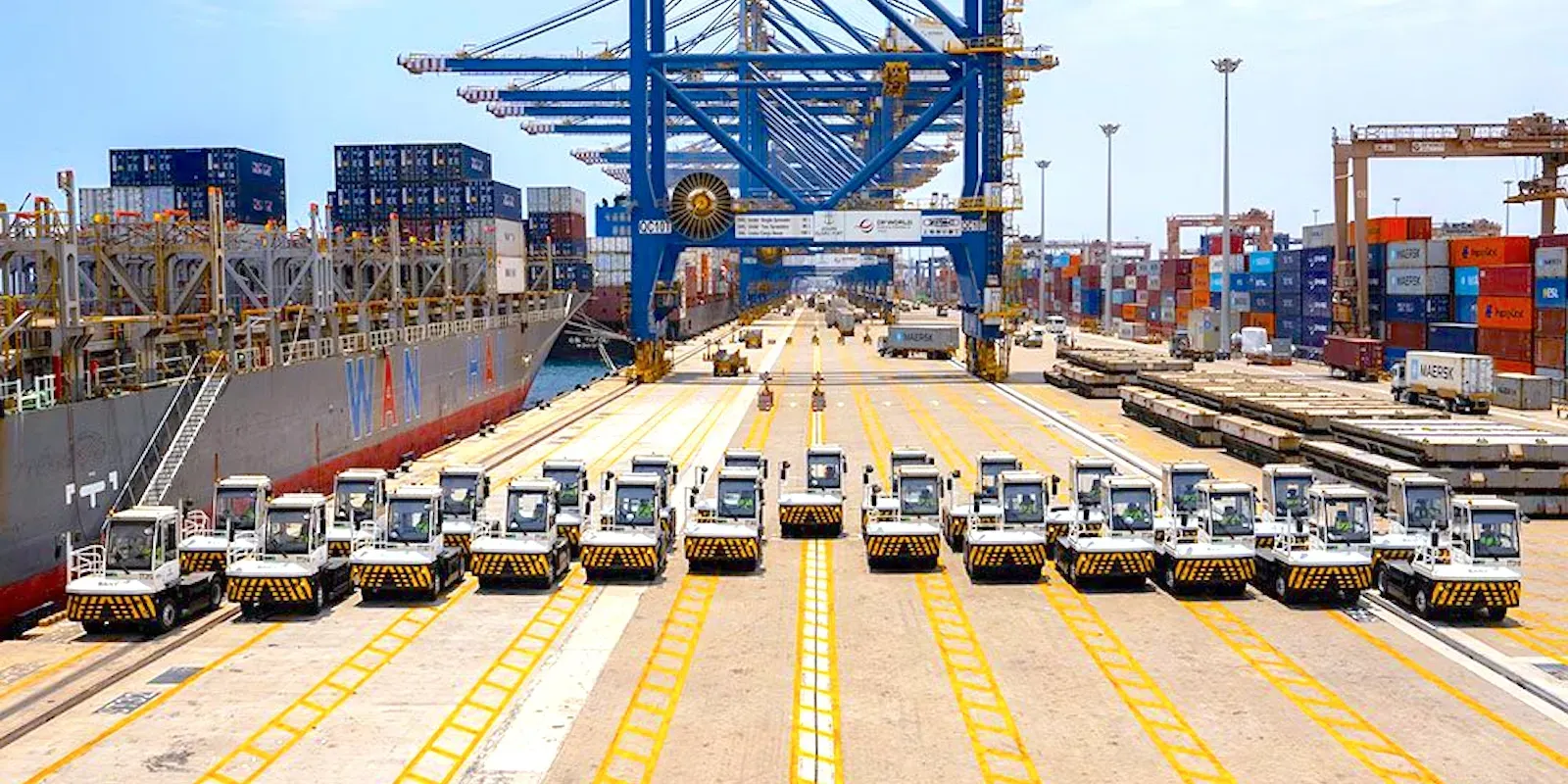
DP World is electrifying its port fleet at the Brazilian Port of Santos with 15 battery-electric terminal trucks and three electric reach stackers in a move that marks another key step toward clean freight handling at one of Latin America’s busiest container ports.
The deployment of the new electric equipment assets are part of DP World’s 1.6 billion Real (BRL) expansion at its Santos terminal, which will allow the company to handle more than 2 million twenty-foot equivalent container units (TEUs) annually by 2028.
The investment is the first phase of a broader terminal modernization initiative from DP World that will see the deployment of a total of 44 electric terminal tractors, three electric reach stackers, four new electric quay cranes, and fifteen 40-ton class rubber-tired gantry cranes (RTGs) already scheduled for delivery before the end of 2027.
“We continue to invest in infrastructure and equipment that enables us to deliver greater capacity, reliability, efficiency and sustainability for our customers,” said Fabio Siccherino, CEO of DP World Brazil. “These new electric vehicles strengthen our operations today while supporting increasing trade volumes and the long-term growth of Brazil’s trade.”
Electric terminal tractors at Callao
DP World’s press release didn’t specify what kind of terminal tractors they’re deploying at Santos, the company has an established relationship with Dutch terminal truck brand Terberg, which has delivered a fleet of 20 Terberg YT203-EV yard hostlers at DP World’s Callao terminal in Peru, and another few dozen at its London Gateway site.
The YT203-EV packs a 236 kWh capacity battery pack with enough juice to run up to 20 hours a day at the Callao site (above), averaging nearly 12 hours of operation on a single charge.
Between January and April of 2026, diesel consumption declined 29.2% compared with the 2024 average, and is expected to reduce carbon emissions by more than 500 tons – a huge gain in sustainability that underscores both the financial and environmental impacts of investing in port modernization.