
Panasonic Energy opens battery development centre in Osaka
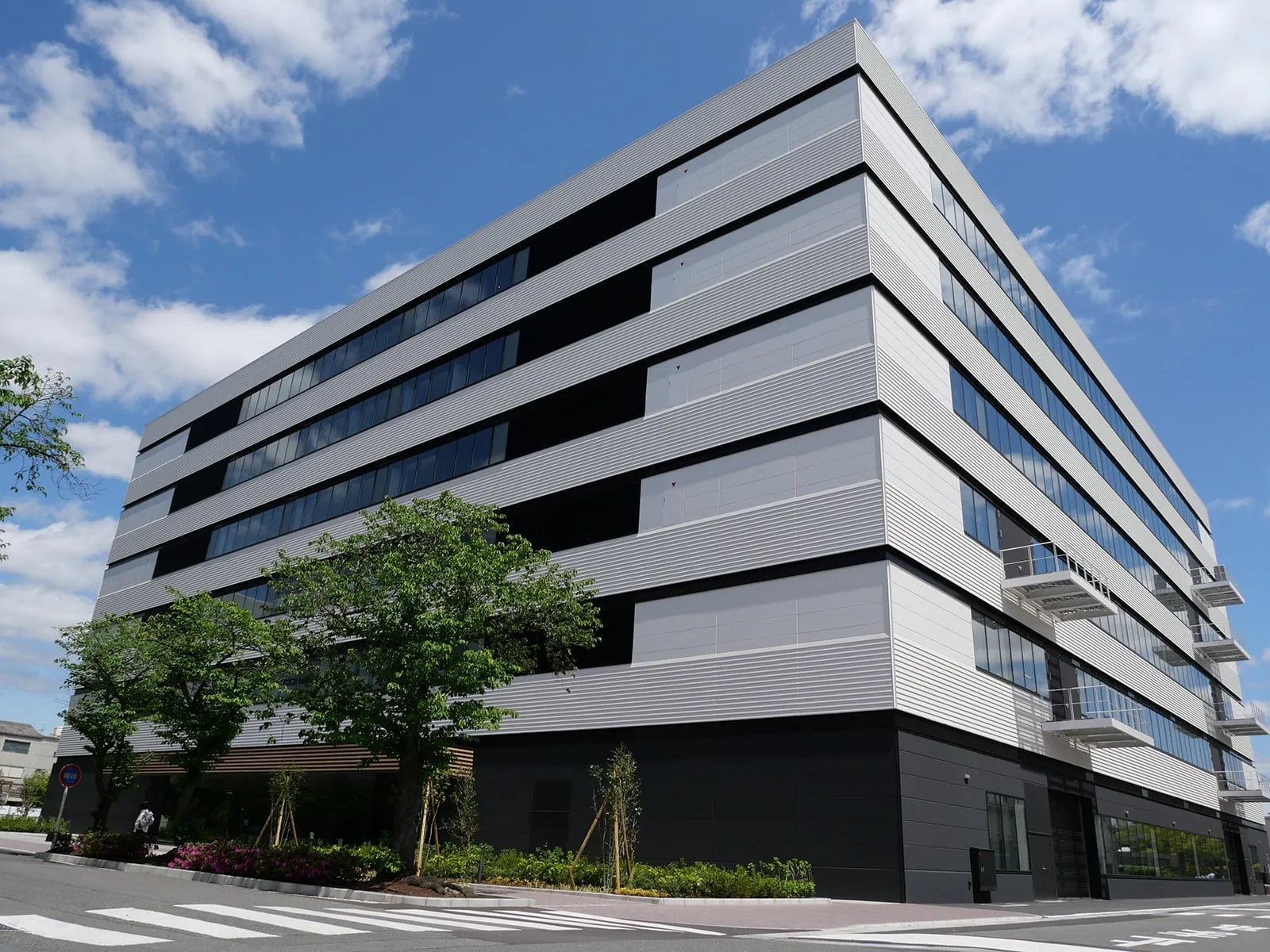
Panasonic Energy has opened a new research and development center for lithium-ion batteries in Kadoma, near Osaka. The so-called Energy Innovation Square consolidates the development of materials and battery cells through to prototype construction. By 2031, Panasonic aims to double its development efficiency through this initiative.
Around 500 employees are expected to work in the new Energy Innovation Square on next-generation battery cells and materials.
Image: Panasonic
The company describes the facility as a global hub for its battery development and production. The Energy Innovation Square covers material development, cell design and the construction and analysis of prototypes.
The site is set to collaborate closely with the Suminoe production development facility, also located in Osaka, which focuses on manufacturing technologies. Together, the two facilities employ around 800 staff, making them one of Japan’s largest specialised battery development clusters, according to Panasonic Energy.
The goal is to more closely integrate the development of new cell technologies with their subsequent mass production. Technologies and production processes from Osaka will then be deployed across Panasonic Energy’s global production network, which includes Japanese sites as well as US plants in Nevada and Kansas.
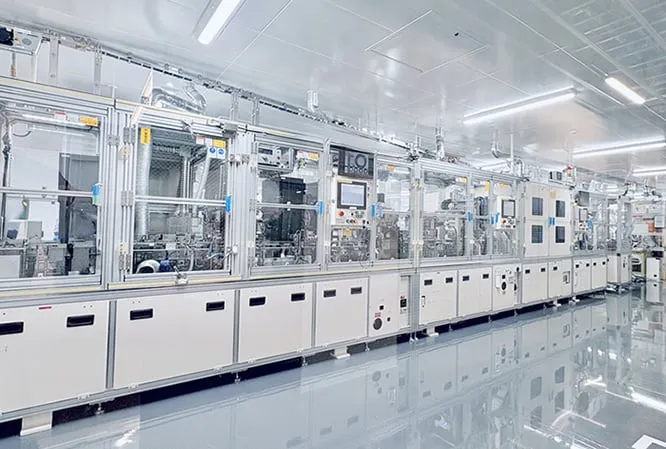
Development times to drop by more than 15 per cent
By the fiscal year 2031, ending in March 2031, Panasonic Energy aims to double its development efficiency compared to the fiscal year 2024. To achieve this, the company is consolidating development and prototyping processes that were previously spread across multiple locations. This is expected to reduce development times, including associated transportation, by more than 15 per cent.
In addition, Panasonic is increasingly adopting digital development processes. Simulation data and results from physical tests are to be combined and analysed using continuous process monitoring and statistical methods, among other approaches. This will enable the company to refine its simulations and accelerate the transition of new cell products into mass production.
The focus is primarily on next-generation batteries for automotive applications and data centres. For EVs, Panasonic highlights higher energy density and longer lifespan as key requirements for future cells. For data centres, the company anticipates growing demand for high-performance battery solutions due to the expansion of AI infrastructure.
The expansion of development capacities comes at a time when the market is increasingly dominated by Chinese manufacturers. According to SNE Research, Panasonic held only a 3.7 per cent share of the global EV battery cell market in 2025. Market leader CATL accounted for 39.2 per cent, while BYD held 16.4 per cent. Panasonic thus ranked behind CATL, BYD, LG Energy Solution, CALB, Gotion High-Tech and SK On.