
Nio boosts deliveries and revenue in Q2
Chinese EV manufacturer Nio delivered 107,658 vehicles in the past quarter, representing a 49.4 percent increase compared to the second quarter of 2025. At the same time, revenue rose by 69.1 percent to 32.1 billion yuan (~€4.1 billion euros). Meanwhile, net losses decreased significantly.
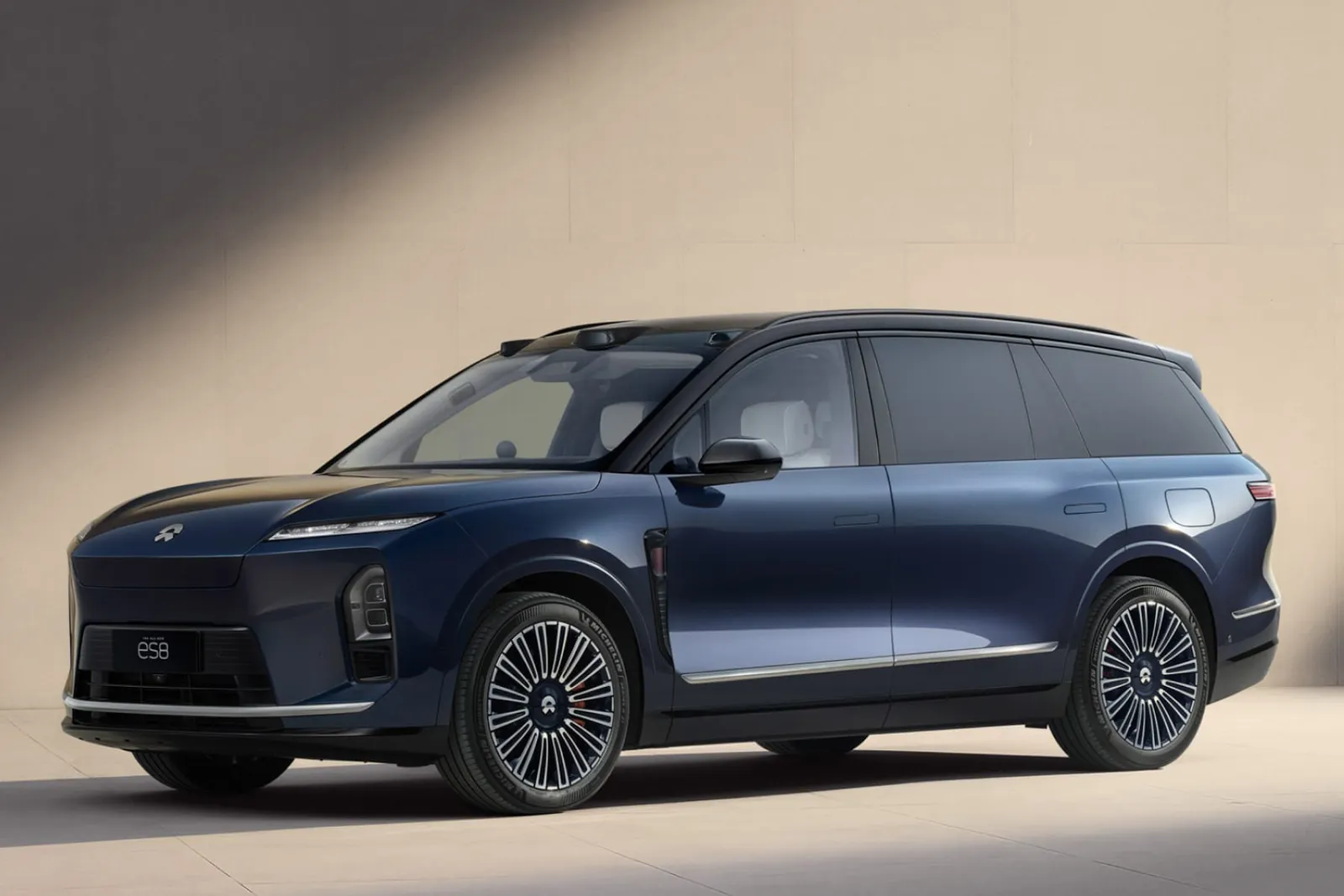
Starting with deliveries: in the second quarter of 2026, these amounted to 107,658 vehicles, representing a 49.4 per cent increase compared to the second quarter of 2025 and a 29.0 per cent increase compared to the first quarter of 2026. Deliveries consisted of 60,945 vehicles from the main Nio brand, 29,124 vehicles from the Onvo brand, and 17,589 vehicles from the Firefly brand. According to CEO William Bin Li, the high-end SUVs Nio ES8 and ES9 are currently performing particularly well, as are the mid-range SUVs Onvo L90 and L80, as well as the Firefly, which has reportedly been the No. 1 in the “premium compact car” segment in China for 15 months.
Overall, this is only the second time that Nio has exceeded the 100,000 delivery mark in a quarter – previously, the Shanghai-based company achieved this for the first time in the fourth quarter of 2025, which is traditionally the strongest quarter for Chinese manufacturers in terms of sales.
Nio expects another increase in deliveries in Q3
For the current quarter between July and September, Nio management expects further improvement: “For the third quarter, we expect total deliveries to range between 108,000 and 111,000 vehicles, with a year-over-year growth of 24.0% to 27.5%,” says Nio CEO William Bin Li.
Now, let’s examine what the sales development in Q2 2026 means for Nio’s finances: revenue from vehicle sales increased even more sharply than the delivery figures themselves, rising by 80.1 per cent compared to the second quarter of 2025 and by 27.5 per cent compared to the first quarter of 2026. In the second quarter of 2026, it amounted to approximately 29 billion yuan (~€3.7 billion). The fact that vehicle revenue has increased more significantly than vehicle deliveries suggests that Nio has managed to raise the average selling price per vehicle substantially. This was most recently around €38,600, compared to €32,000 in Q2 2025 (based on our own calculations). However, this is only a rough estimate, as the vehicle revenue in Q2 2026 may not exactly correspond to the timing of deliveries for accounting purposes.
At the same time, Nio achieved a gross margin of 18.5 per cent in its vehicle division in the second quarter of 2026, compared to 10.3 per cent in Q2 2025 and 18.8 per cent in Q1 2026. This means that vehicle manufacturing itself is already profitable. However, this figure does not account for important items such as research and development, marketing and distribution, administration, other operating expenses, interest, and taxes.
Nio significantly reduced its losses
This also explains why Nio is still posting a net loss, although the deficit has now decreased significantly: the net loss in the second quarter of 2026 amounted to 528 million yuan (~€68 million euros), compared to a net loss of 4.99 billion yuan (~€640 million euros) in Q2 2025.
The quarterly report, however, makes no mention of the weak international business: last year, there were only 1,129 new registrations across all seven European countries where Nio is active. It was recently announced that Nio intends to slow down its international expansion and focus more on China. This aligns with the company’s recent decision to close its representative Nio House in Hamburg.