
New Dacia Spring targets sub-£18,000 pricing and 155-mile range
Dacia has revealed an all-new Spring electric city car, with a claimed range of up to 155 miles and an anticipated UK price below £18,000 across the entire line-up. The second-generation model will be built in Europe and brings more space, a new platform and optional faster charging.
The replacement for Dacia’s smallest EV uses Renault Group’s RG-EV Small architecture and pairs a 60kW motor with a 27.5kWh usable battery. Two trim levels, Expression and Journey, will share the same powertrain, while production will take place at Novo Mesto in Slovenia.
Dacia says its expected pricing is before any potential government subsidies. However, final UK prices and specifications have yet to be confirmed, and the announcement does not provide a UK order opening date or first delivery timetable.
The new Spring is the first of four all-electric vehicles outlined in Dacia’s strategic roadmap to 2030. It follows a first-generation model that has sold more than 210,000 units across over 40 countries since 2021, establishing the brand’s presence in the entry-level electric car market.
A larger car with a modest battery
Despite retaining the Spring name, the newcomer represents a substantial redesign. At 3.85 metres long and 1.74 metres wide excluding mirrors, it is 15cm longer and 18cm wider than its predecessor. The extra width should be particularly relevant to buyers seeking more cabin space in a small urban car.
Its lithium iron phosphate, or LFP, battery delivers up to 155 miles on the WLTP combined cycle, according to Dacia. That is an official test figure rather than a guarantee of everyday range, which will depend on driving conditions and vehicle use.
The motor produces 80hp and 175Nm of torque, with 0–62mph taking 12.1 seconds and a top speed of approximately 81mph. Those figures position the Spring primarily as everyday transport, although its performance allows for motorway use as well as town driving.
Dacia’s own connected vehicle data helps explain the emphasis on a relatively small battery. Existing Spring owners cover an average of 13 miles a day at an average speed of 13mph, and charging takes place at home in 75% of cases. The company argues that most users would therefore need to charge only once a week.
Rapid charging remains an option
Charging equipment is an important distinction for prospective buyers. Both trims come with a 6.6kW onboard AC charger as standard, with Dacia quoting two hours and 55 minutes to replenish the battery from 15% to 80% using a 7kW home wallbox.
The same charging window takes nine hours through a domestic socket, or five hours and 40 minutes using what Dacia describes as a heavy-duty socket. These are partial recharge times, rather than figures for replenishing the battery from empty to full.
An optional Charge Pack upgrades AC charging to 11kW and adds DC rapid charging at up to 50kW. With a suitable three-phase supply or public AC charger, the quoted 15–80% time falls to one hour and 55 minutes. Using a suitable DC rapid charger reduces that to 28 minutes.
The pack also brings vehicle-to-load capability, allowing the car’s battery to power small electrical devices. Dacia cites lights, e-bike batteries and coffee makers as examples. Pricing for the pack has not been announced, leaving its effect on the final purchase price unclear for now.
More luggage space and everyday equipment
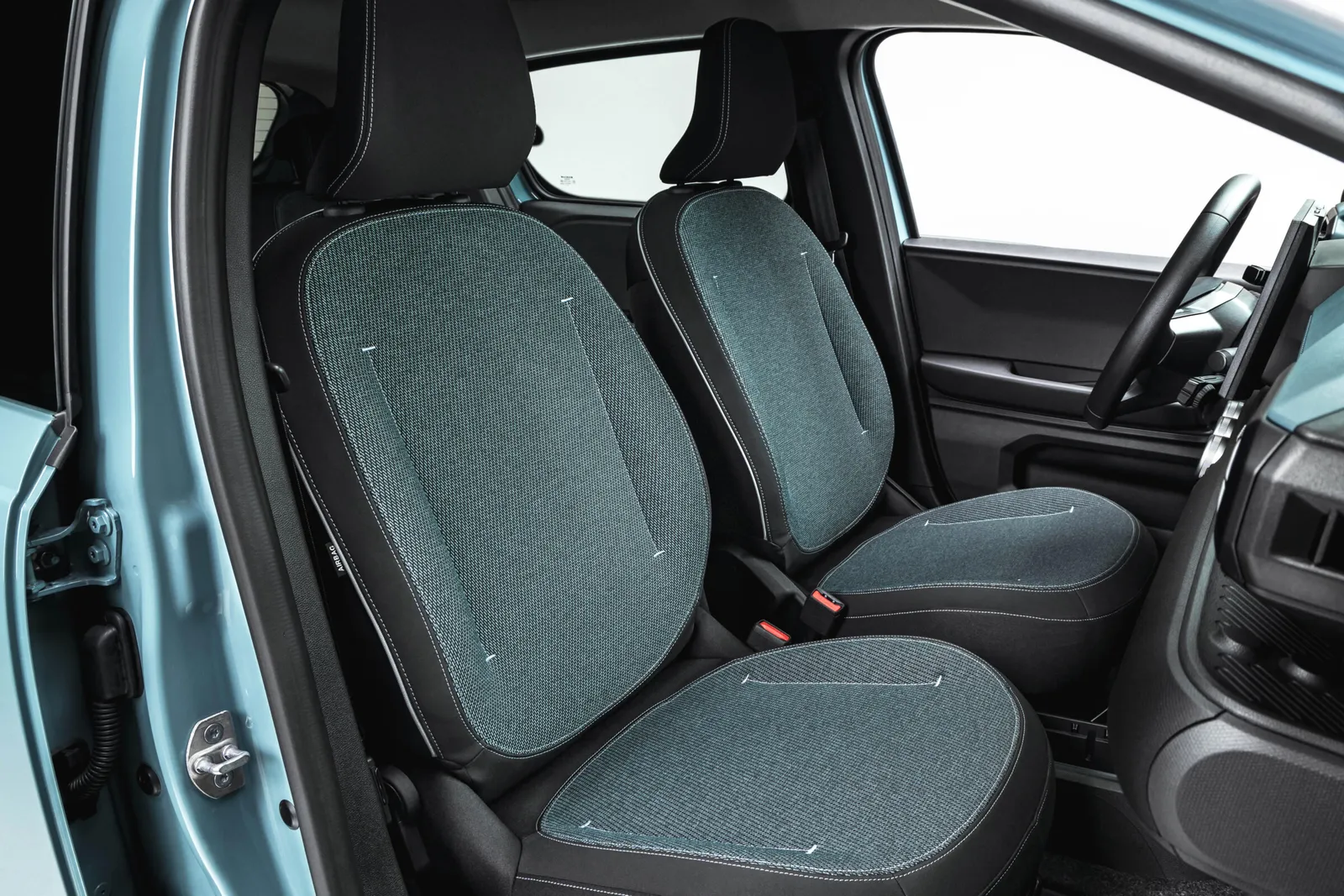
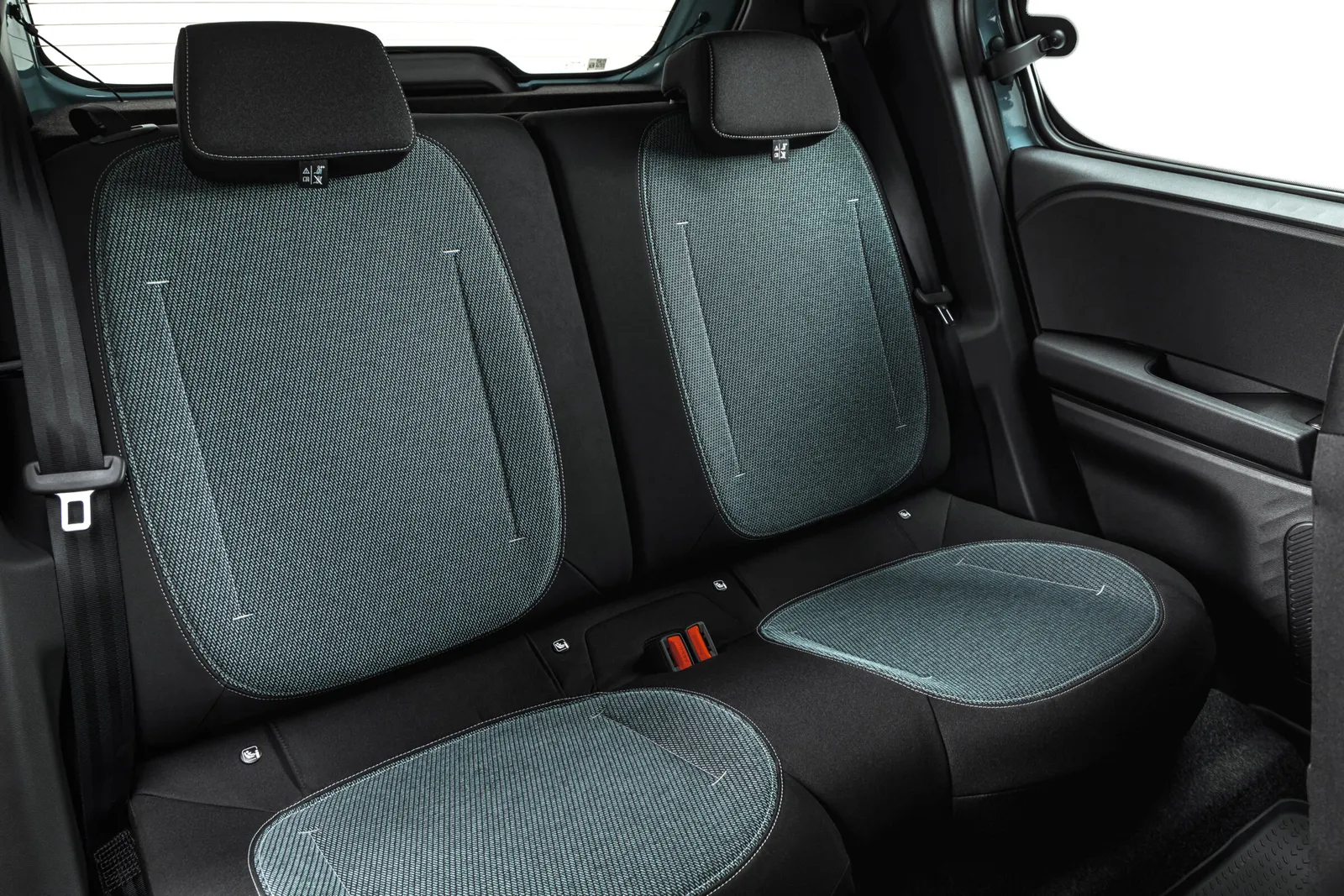
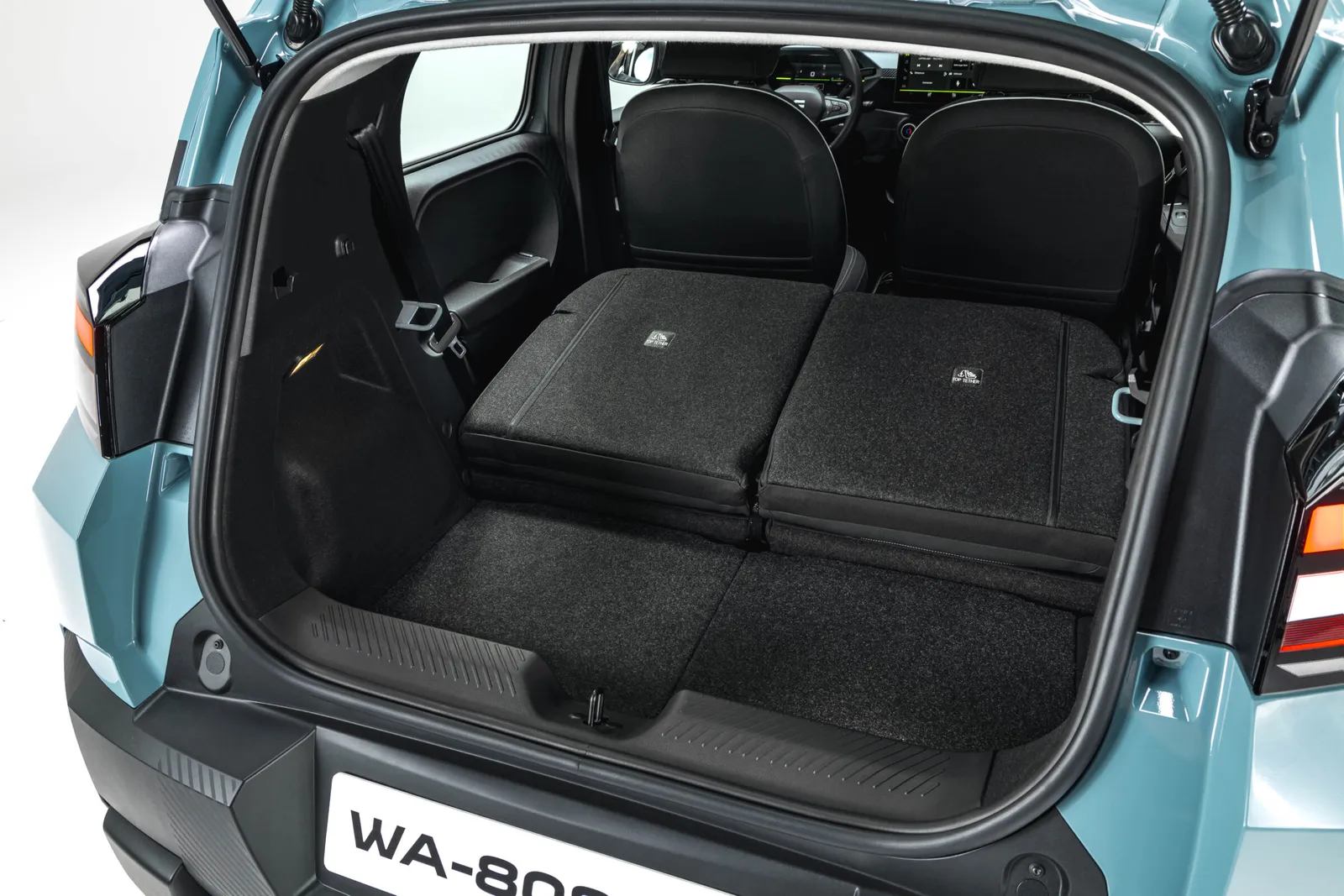
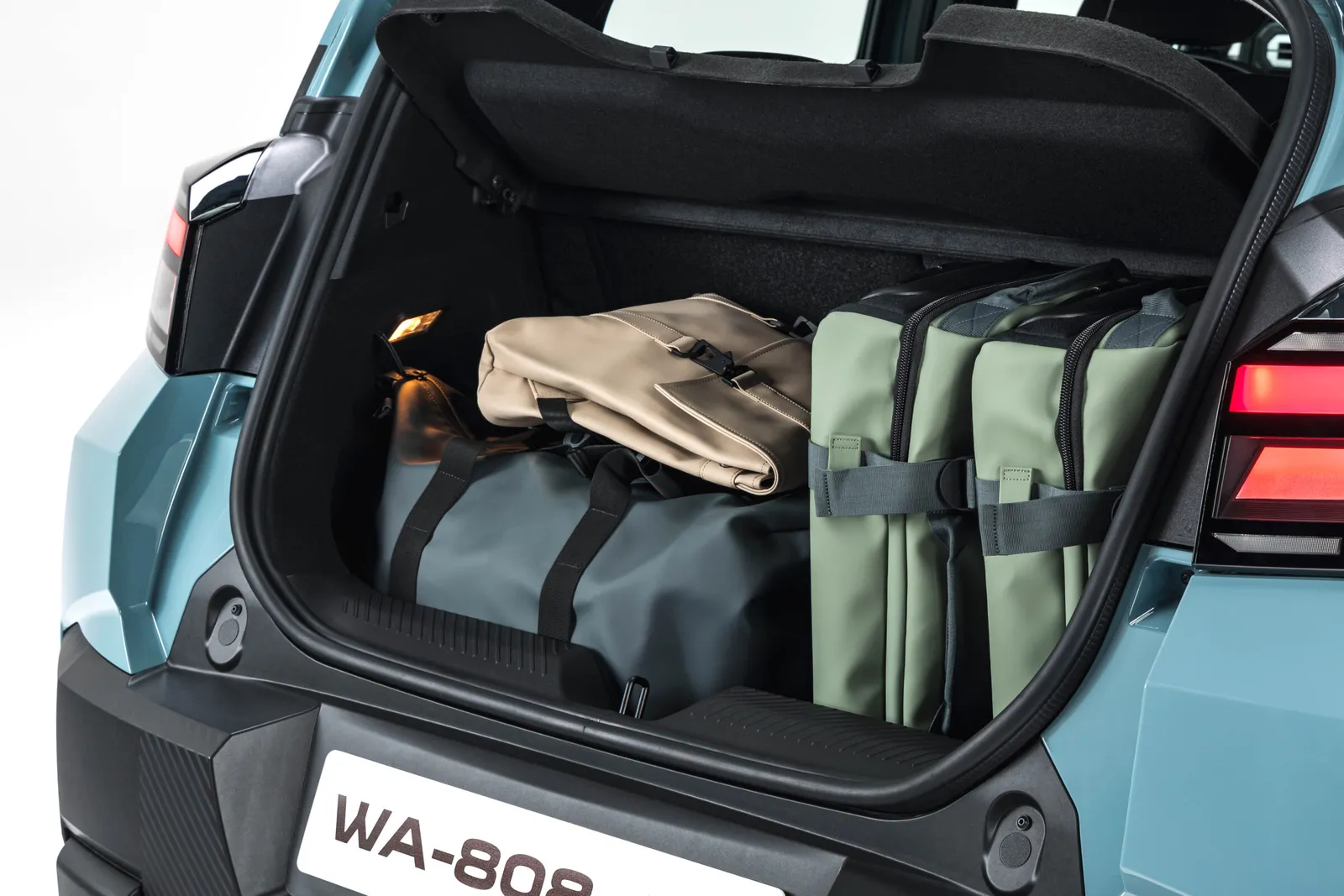
Practicality receives a substantial overhaul alongside the new platform. Boot capacity reaches up to 337 litres, expanding to 1,283 litres with the 50/50 split rear seat folded. A removable floor divided into two sections allows owners to separate luggage or conceal smaller items.
An optional 18-litre storage compartment under the bonnet provides somewhere to keep charging cables and accessories. Dacia claims the Spring offers the largest boot in the electric A-segment, although the announcement does not provide a detailed comparison with rival models.
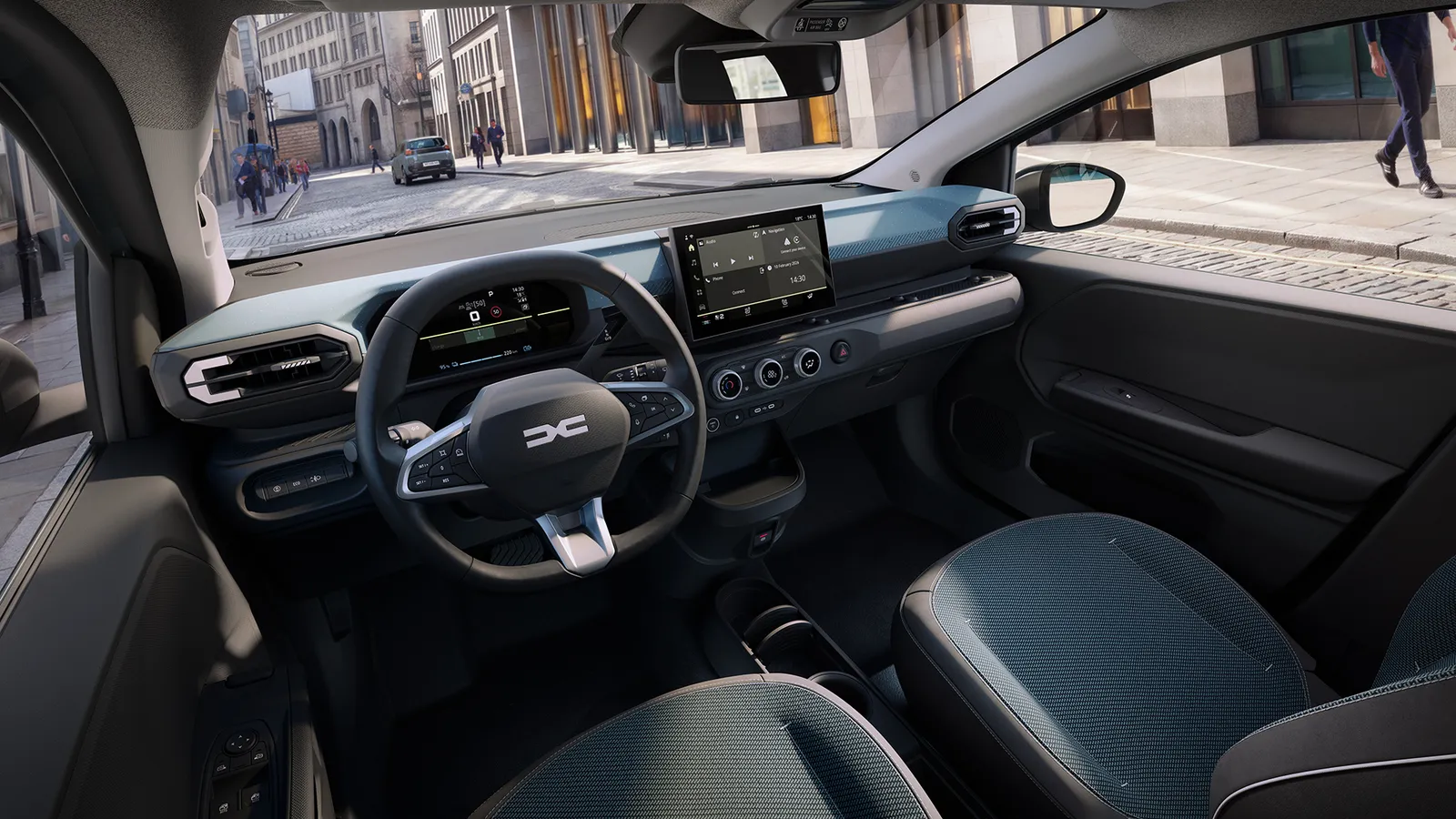
All versions feature a seven-inch digital instrument display, rear parking sensors and an electric parking brake. The driver’s seat offers sliding and height adjustment, while the steering wheel adjusts for both height and reach, providing more scope to find a suitable driving position.
Expression equipment includes 15-inch steel wheels with trims, manual air conditioning, automatic headlights, electric front windows and electrically adjustable door mirrors. Its Media Control system uses steering wheel controls and the digital instrument panel, with a smartphone holder and Dacia’s app providing additional media functions.
Journey adds 16-inch steel wheels with trims, a hands-free access card and a reversing camera. Its Media Nav Live system includes a 10.1-inch touchscreen, wireless Apple CarPlay and Android Auto, plus eight years of connected navigation with traffic information and updated European maps.
Connected functions listed for the system include charging schedules, cabin pre-conditioning and vehicle tracking. Journey also gains two USB-C ports and a luggage compartment cover. Dacia’s My Safety function allows drivers to customise certain assistance settings together, reducing the need to adjust them individually at each start-up.
European production and efficiency claims
Dacia quotes a vehicle weight of 1,212kg and WLTP combined electricity consumption of 12.7kWh per 100km, equivalent to approximately 4.9 miles per kWh. Its approach centres on controlling weight and energy demand rather than fitting a larger battery to extend range.
The company also says the Spring aims to reduce its lifecycle carbon footprint by around 60% compared with equivalent combustion cars. That estimate comes from a comparative assessment using Renault Group methodology, based on the projected European Spring sales mix for 2027 against average non-hybrid petrol models in the A and B segments in 2026.
The LFP battery uses iron and phosphate in place of the nickel and cobalt associated with other common battery chemistries. Dacia links this choice, European production and the car’s efficiency to its wider effort to reduce environmental impact.
The Spring is also the first Dacia developed under Renault Group programmes intended to bring vehicle development below two years while reducing costs.
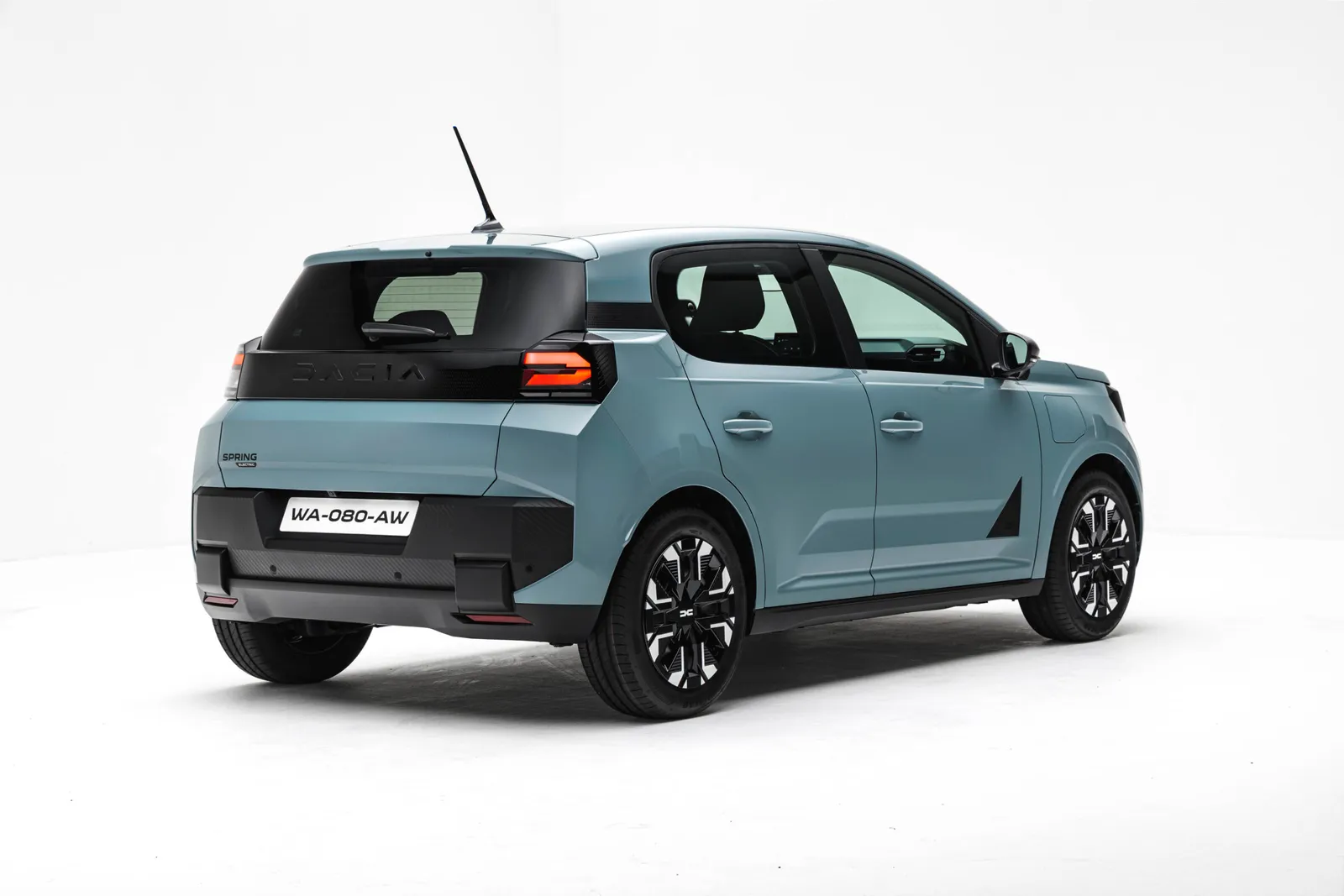
Styling follows the brand’s angular design language, with pronounced wheel arches, protective bumper panels and black strips linking the front and rear lights. Four colours will be available: Agave, Shadow Grey, Diamond Black and Glacier White.
The lighting illustrates that cost-conscious approach. Only the upper section of the signature is illuminated by LED diffusers, while the lower section reflects light from above. At the rear, the Dacia lettering forms part of the trim strip itself, rather than being attached separately. Both details are intended to create a distinctive appearance with fewer components and less complexity in production.
Self-coloured plastic bumper protection is intended to make minor scuffs less noticeable. Inside, Dacia’s YouClip mounting system supports accessories including bag hooks, a torch and storage items. Further options include console organisers, an armrest with enclosed storage, protective mats and mud flaps, extending the emphasis on simple everyday practicality.