
Musk denies report of Tesla China spin-off
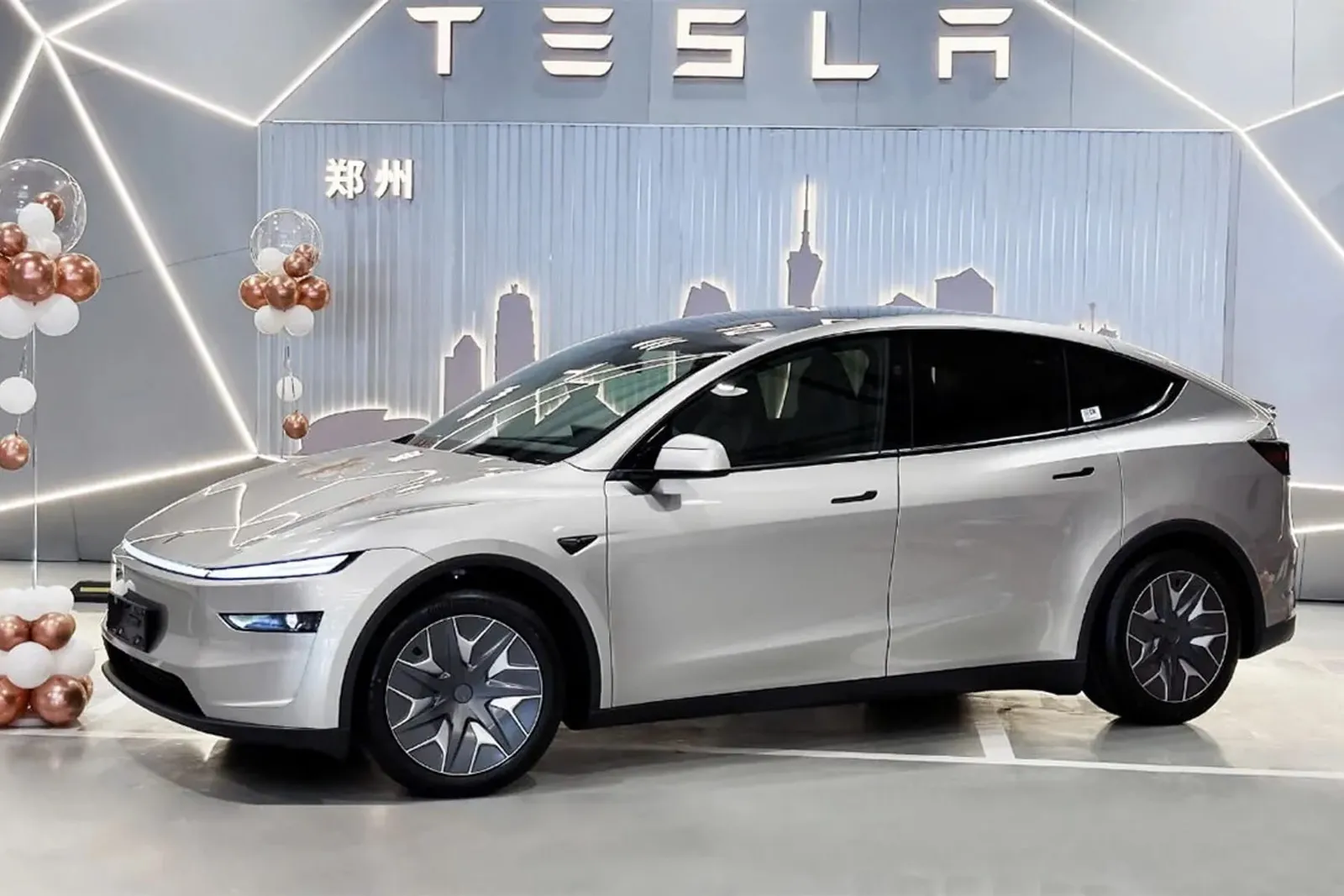
Reports suggest Tesla is preparing a spin-off or sale of its high-margin China business as it responds to rising geopolitical tensions and explores a potential merger with SpaceX. However, Tesla CEO Elon Musk has so far denied the reports, calling them "fake news."
According to the Wall Street Journal, citing well-informed sources, the Tesla CEO has instructed several managers to make organisational preparations for a strict separation from the company’s business in China, which would also affect the Tesla factory in Shanghai. Advisors are reportedly evaluating various options, such as a spin-off, sale, or even the closure of operational units in the company’s second-largest market. The goal is to create a clear firewall between Tesla’s US operations and its China business, which has so far been a key contributor to the electric vehicle pioneer’s profitability.
However, Musk said on social media that “this has never even come up in a discussion ever,” calling it “absurdly fake news.”
However, let’s assume that there is a grain of truth to what the Wall Street Journal’s informants told the US newspaper. They say that these considerations centre around strategic and geopolitical concerns. Musk is reportedly concerned about the company’s heavy dependence on Chinese battery cells and Taiwanese semiconductors, as the supply of these critical components could be jeopardised in the event of a war between the two countries.
Another, and perhaps even more decisive, factor is a potential merger with SpaceX, which Elon Musk hinted at during the presentation of Tesla’s quarterly results in a conference call with analysts last week. The ties between the two Musk-led companies are already closely intertwined, for example through the Terafab project, in which both firms plan to jointly build chip factories. This follows earlier collaborations, such as SpaceX’s purchase of numerous Cybertrucks from Tesla.
SpaceX’s collaboration with the US military as a hurdle
The central issue regarding a potential merger is SpaceX’s significance for US national security. As a key partner of the US military, the aerospace company handles major contracts, such as launching classified military satellites for the Space Force, and operates “Starshield,” a highly secure satellite network for global military communications. This deep integration with the US military and intelligence agencies makes Tesla’s factory in Shanghai, as well as its data collection in China, a significant risk factor. A merger between SpaceX and Tesla would likely require the disentanglement of sensitive US military technology from the Shanghai factory, which accounted for around 18% of Tesla’s total sales in the first half of 2026.
Tesla holds nearly 19 million shares in SpaceX, stemming from an earlier investment in Elon Musk’s AI start-up xAI, which was later acquired by SpaceX. As recently highlighted during Tesla’s quarterly results, this shareholding has now directly impacted Tesla’s balance sheet following SpaceX’s successful IPO in June, delivering a multi-billion-dollar book profit for the carmaker. However, the stake represents only about 1% of all shares post-IPO, meaning it does not yet constitute a meaningful step towards a merger.
Musk highlights collaboration
Investors and analysts have nonetheless shown openness to a closer integration of the two companies, particularly given Musk’s focus on artificial intelligence projects. When asked about potential merger plans during the aforementioned call with analysts, Musk remained guarded. He did say that there was “growing overlap” between the companies, but that any deal would have to go through an “appropriate process” and not be discussed during an earnings call.
Should the reported plans move forward, they are likely to face close scrutiny from Chinese authorities. Regulators could view the transfer of Tesla’s local expertise and data from around two million Chinese vehicle owners to SpaceX, a major US government and military contractor, as a national security concern. According to the reports, industry observers are already discussing governance structures and other safeguards to address potential regulatory hurdles.