
‘Major’ OEM to test Gelion’s NES cathode platform
Gelion has signed an agreement with an unnamed major automaker to test its sulphur-based 'Nano Encapsulated Sulfur' cathode technology. The OEM will evaluate the material in cells with liquid and solid electrolytes, as well as with lithium-metal and graphite anodes.
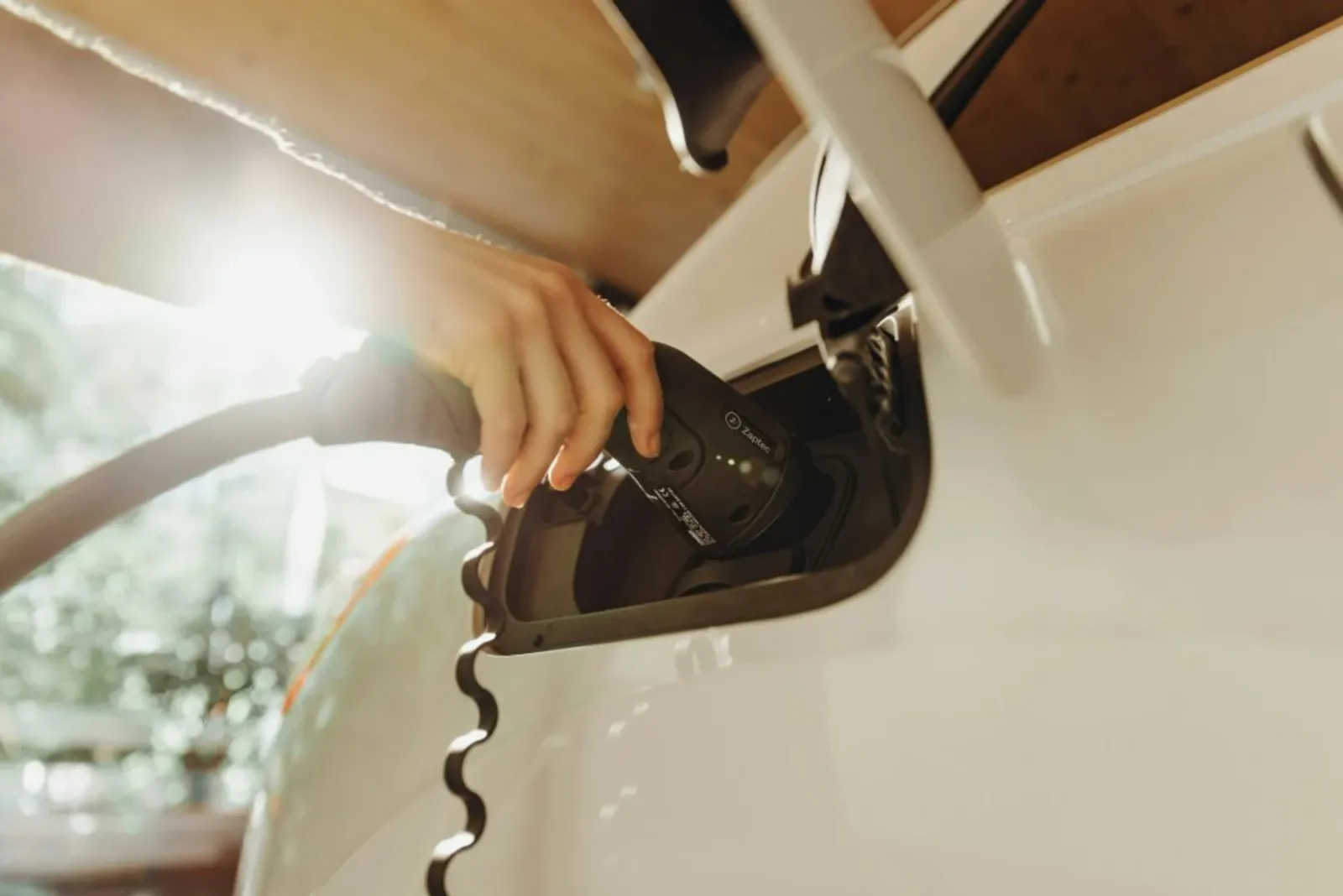
Gelion sees electric vehicles as a central target market for its sulfur cathode technology.
Image: Gelion
British-Australian battery developer Gelion is bringing its Nano-Encapsulated Sulfur (NES) technology into another automotive industry development programme. The company states it has signed a Material Transfer Agreement with an OEM, which is said to be among the 15 largest automakers worldwide. Gelion has not disclosed which manufacturer is involved or the scope of the testing.
Under the agreement, Gelion will supply its sulfur-based cathode active material, coated cathodes and liquid electrolyte to the automaker. The technology is to be tested in various cell configurations, including liquid and solid electrolytes, as well as in combinations with lithium-metal and graphite anodes. Gelion cites both high-volume models and premium electric vehicles as potential applications.
At the core of the approach is Gelion’s NES material. The company aims to replace conventional cathode chemistries that rely on critical raw materials, instead utilising comparatively widely available sulfur. According to Gelion, the material can also be deployed on existing battery production lines without requiring major retrofitting.
For automakers, the potential appeal lies in two key points: reduced dependency on critical raw materials and potentially easier integration into existing production. However, the new agreement is clearly classified as an evaluation programme. The Material Transfer Agreement does not imply a decision for series production or a specific vehicle launch.
Gelion aims to replace conventional cathode materials
Since June, the company has also been working on the UK-funded CoRe-SoLiS project with Nissan and the University of Oxford to integrate its NES cathode into solid-state lithium-sulphur cells. The goal is to achieve cells with high energy density, charging power and lifespan.
Lifespan has so far been one of the central challenges for lithium-sulphur batteries. Additional issues arise from polysulphides, which can impair performance and cycle stability. Gelion claims its NES technology significantly reduces these weaknesses but has not provided specific performance data for the current OEM programme.
Gelion CEO Matt Wood sees the new agreement as another step towards commercialisation. The company is now working with several major automakers. Revenue is initially expected to come from funded development programmes and later from licensing and royalty models.
In addition to electric vehicles, Gelion is targeting applications such as drones, electronic devices and other high-performance uses with its battery technology. The decisive factor will now be whether the NES cathode can truly compete with established cathode chemistries in automotive cells in terms of energy density, lifespan, charging power and cost.