
General Motors introduces recycled battery materials in customer vehicles
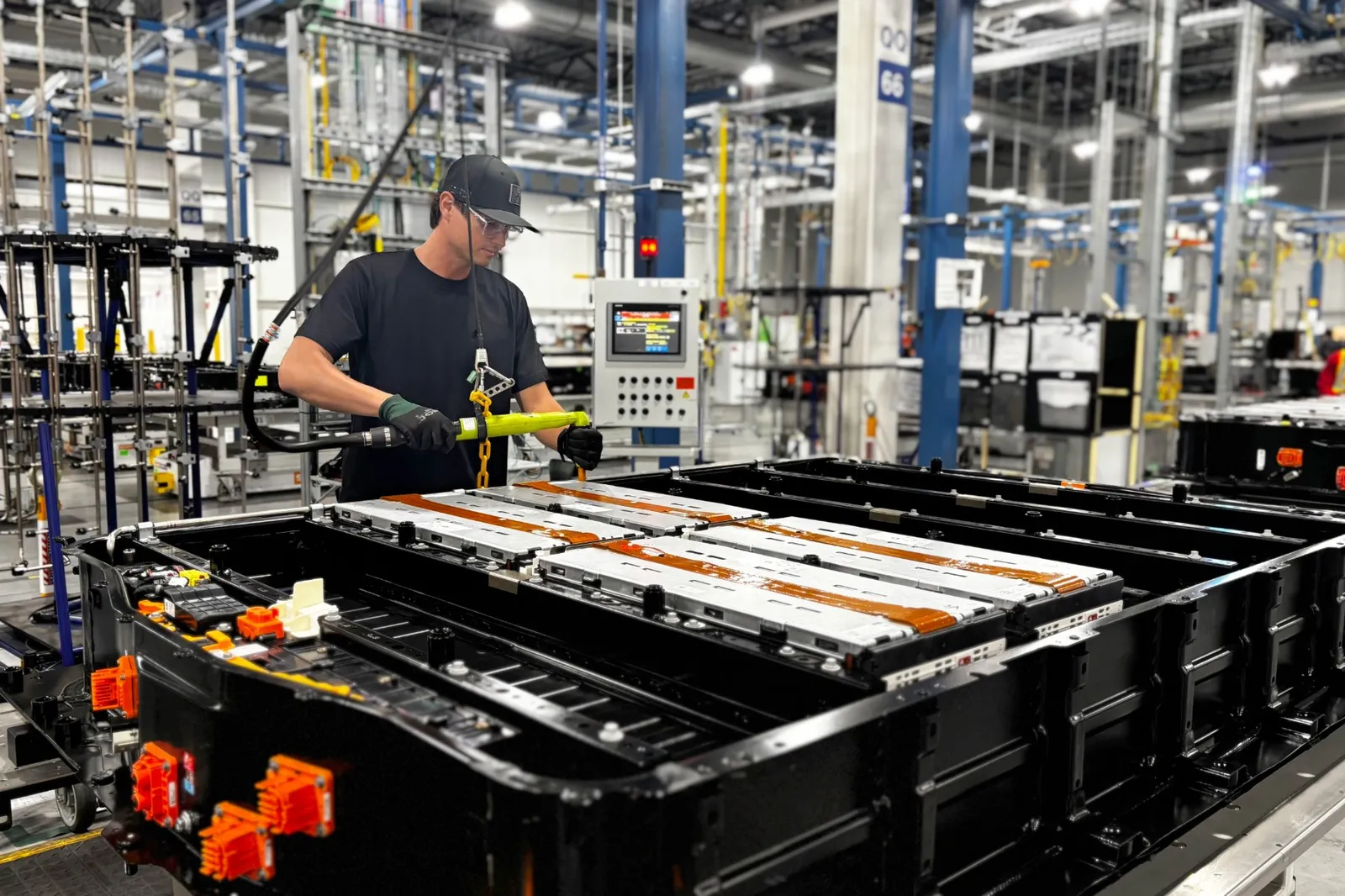
General Motors has built its first production vehicles with battery cells whose cathode active material is made entirely from recycled nickel, cobalt, and manganese. The raw materials are partly sourced from decommissioned batteries of GM vehicles and were recovered and processed by partner Cirba Solutions.
General Motors, together with recycling company Cirba Solutions and other partners, has completed a pilot project for a closed-loop recycling system for electric vehicle batteries. In this initiative, end-of-life batteries from GM EVs – including from brands like Cadillac, Chevrolet, and GMC – were recycled, with the recovered raw materials reused to produce new battery cells. The standout feature: the cathode active material (CAM) of the new cells is made entirely from recycled nickel, cobalt, and manganese. The first EVs equipped with these cells have already left GM’s factories – not as internal test vehicles for validation, but as regular production EVs for customers.
For the pilot project, General Motors collected 80 end-of-life high-voltage batteries, which were processed by Cirba Solutions at a recycling facility in Ohio, USA. After mechanical processing, the initial output was a so-called black mass, which was further refined to separate the contained raw materials. This process yielded more than 12 tonnes of new cathode active material. The nickel, cobalt, and manganese in this material were 100 per cent recycled. Before being used in new battery cells, the material had to meet the same quality, performance, and safety requirements as material sourced from primary raw materials.
GM deploying recycled materials in series production
The production of the new cells was handled by Ultium Cells, the battery joint venture between GM and LG Energy Solution. The cells were then assembled into battery modules and packs at GM’s Factory ZERO and Spring Hill plants. According to General Motors, the first vehicles to feature these recycled-material cells include the Cadillac Lyriq, Lyriq-V, Vistiq, Escalade IQ, and Escalade IQL, as well as the Chevrolet Silverado EV Trail Boss and the GMC Sierra EV AT4. GM emphasises that the cells demonstrated performance comparable to those made from new raw materials during testing.
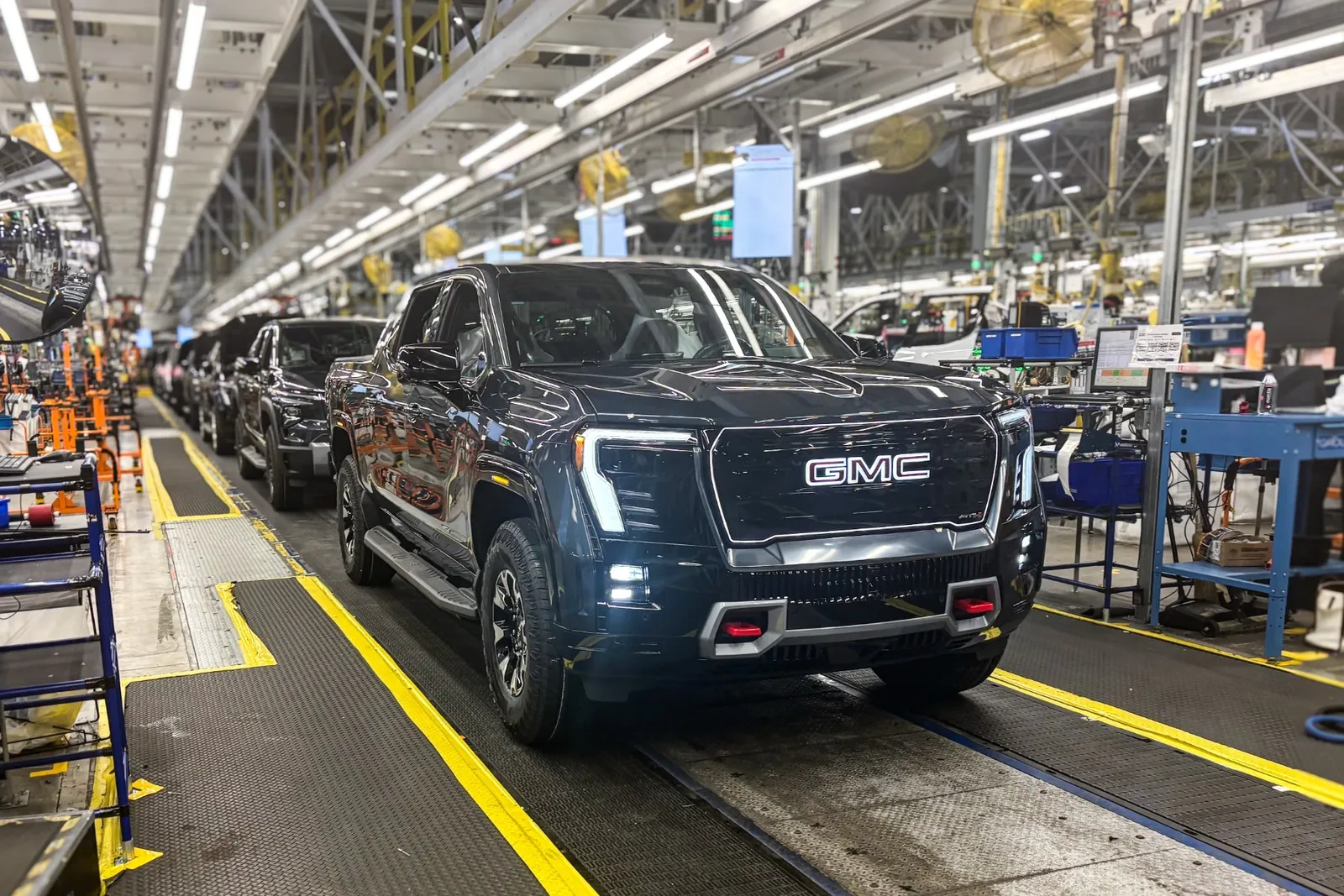
GM views the pilot project as a test for a future growing source of raw materials. According to the company, current recycling processes can recover up to 95 per cent of the nickel, cobalt, and manganese, and up to 80 per cent of the lithium, depending on the process and cell chemistry. As the number of end-of-life electric vehicle batteries increases, so too will the volume of secondary raw materials. GM is pursuing a multi-stage approach: batteries should first be used in vehicles for as long as possible, then refurbished or repurposed for stationary storage applications, and only recycled at the end of their lifecycle. For example, GM plans to work with Redwood Materials to repurpose around 10,000 batteries from electric vehicles for stationary applications.
The closed-loop system is not only significant from a sustainability perspective. Nickel, cobalt, and other battery raw materials are key cost and risk factors in cell production. Recovering and reintegrating them into cell manufacturing after the end of a battery’s life can reduce long-term demand for newly mined raw materials and improve supply security. For General Motors, as a US manufacturer, regional value creation is also critical: the batteries are processed in North America, and the recovered materials are fed back into local cell and vehicle production.
Porsche pursues similar approach
Just last week, Porsche, together with the Aachen-based recycling company Cylib, unveiled a very similar pilot project. There, too, battery cells were produced for the first time with cathode active material made entirely from recycled raw materials. Unlike GM’s approach, Porsche’s includes lithium in addition to nickel, cobalt, and manganese; the raw materials are sourced from end-of-life high-voltage batteries from Porsche’s own vehicles. However, Porsche is still testing the cells produced from these materials in prototype vehicles, and integration into customer vehicles has not yet taken place.
The key difference lies in the maturity of the two projects: Porsche is still in the testing phase with its recycling cells, aiming to use the findings as a basis for potential future use in series production batteries. At GM, on the other hand, the recycling cells have already been incorporated into battery packs of electric vehicles that have left the factory and been delivered to customers. Porsche also intends to close the loop all the way to series production in the future: since May 2026, old batteries from German Porsche centres have been recycled together with Cylib, and the recovered raw materials are expected to be available for new battery cells from 2028.