
Gas Stations are Changing Globally. How Has It Changed in Your Town? (Part 4: The Middle East)
Support CleanTechnica's work through a Substack subscription, on Patreon, or on Stripe. Help us produce all of the high-quality, original content we publish week after week despite the challenges of content-scraping AI, antisocial media, inflation, and other hurdles.
IN THE core of the global oil industry, where crude petroleum has defined economies and urban landscapes for decades, a fundamental shift is taking place at the retail level. Across the Middle East, traditional petrol stations are evolving into high-tech electric vehicle charging hubs. The region built its national wealth on fossil fuels, yet state-backed energy companies and private retail operators are directing sovereign capital toward domestic electrification.
The petro-state transition
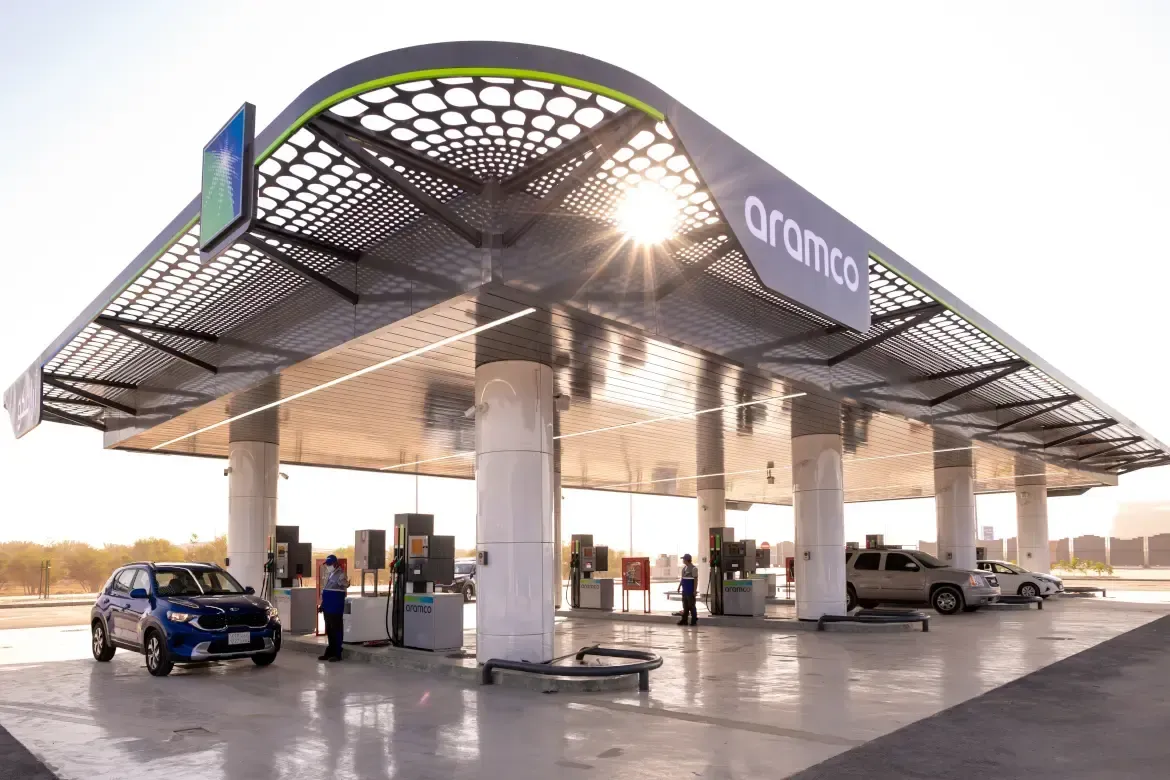
Government frameworks such as Saudi Vision 2030 and the National Electric Vehicles Policy in the United Arab Emirates are driving the rapid overhaul of retail mobility networks. National retail entities like ADNOC Distribution in Abu Dhabi, ENOC in Dubai, and SASCO alongside the Electric Vehicle Infrastructure Company in Saudi Arabia are retrofitting long-standing forecourts with high-voltage charging units.
The strategic goal behind this initiative is straightforward: electrifying domestic road transport allows Gulf nations to reserve higher volumes of extracted crude for international export, while simultaneously building modern, low-emission domestic transportation corridors.
Desert corridors and high-power charging
Long distances between major urban centers, combined with extreme summer temperatures, create unique operational demands for electric vehicle infrastructure. Extreme heat increases thermal load on vehicle batteries, making rapid charging access critical for long-distance transit.
To eliminate range anxiety across major highway arterial roads, operators are building large-scale charging installations along transit corridors like the E11 highway connecting Abu Dhabi and Dubai. These highway hubs feature ultra-fast DC charging units capable of delivering up to 350 kW. These chargers allow drivers to replenish battery capacity in roughly twenty minutes, mirroring the convenience of traditional refueling stops.
Redefining the station footprint
Because electric vehicle charging takes longer than filling a standard gasoline tank, the layout of retail stations is changing. Station operators are expanding physical sites to turn brief refueling stops into multi-purpose lifestyle destinations.
Traditional cashier counters and basic convenience outlets are giving way to climate-controlled lounges, co-working spaces with high-speed internet, gourmet coffee shops, and drive-thru dining options. Instead of standing beside a fuel pump, commuters spend their charging time working or resting in air-conditioned environments, creating new commercial opportunities for station owners.
Solar microgrids and local power generation
High-power fast chargers place significant demand on municipal electrical grids, particularly during peak summer months when cooling systems operate at capacity. To manage this load, operators across the Middle East are pairing charging equipment with on-site solar arrays and stationary battery energy storage systems.
Rooftop solar canopies installed over charging bays harvest the region’s strong solar irradiation during the day. The generated electricity powers incoming vehicles directly or feeds into battery storage units to manage energy distribution during peak charging periods, creating self-sustaining microgrids that reduce reliance on the local grid.
Fleet integration and automated mobility
The shift to electric charging extends beyond individual passenger vehicles. Logistics companies, ride-hailing networks, and municipal transit fleets are progressively adopting electric vans, taxis, and buses.
To manage high vehicle volume, modernized stations incorporate digital management systems. Automatic license plate recognition, app-based charger reservations, and automated billing streamline access for commercial drivers. Intelligent power routing software automatically adjusts electricity distribution across active charging stalls, ensuring fleet vehicles charge efficiently without overloading site capacity.
The transformation of gas stations across the Middle East highlights how oil-producing nations are adapting their domestic energy infrastructure. By converting petrol stops into high-capacity electric charging hubs, the region is positioning its roadside infrastructure to support the next generation of transport mobility.
Shout out and many thanks to my colleagues from the Gulf Coast Countries, Robert Tagle, Derick Agoncillo, Tamuel Tameni and economist-professor O.D. Villafuerte for getting me the data for this article.
Comments? Feedback? Please email: tribs.tribdino@gmail.com