
From road to track and back: How Nissan’s Formula E programme influences its road-going EVs
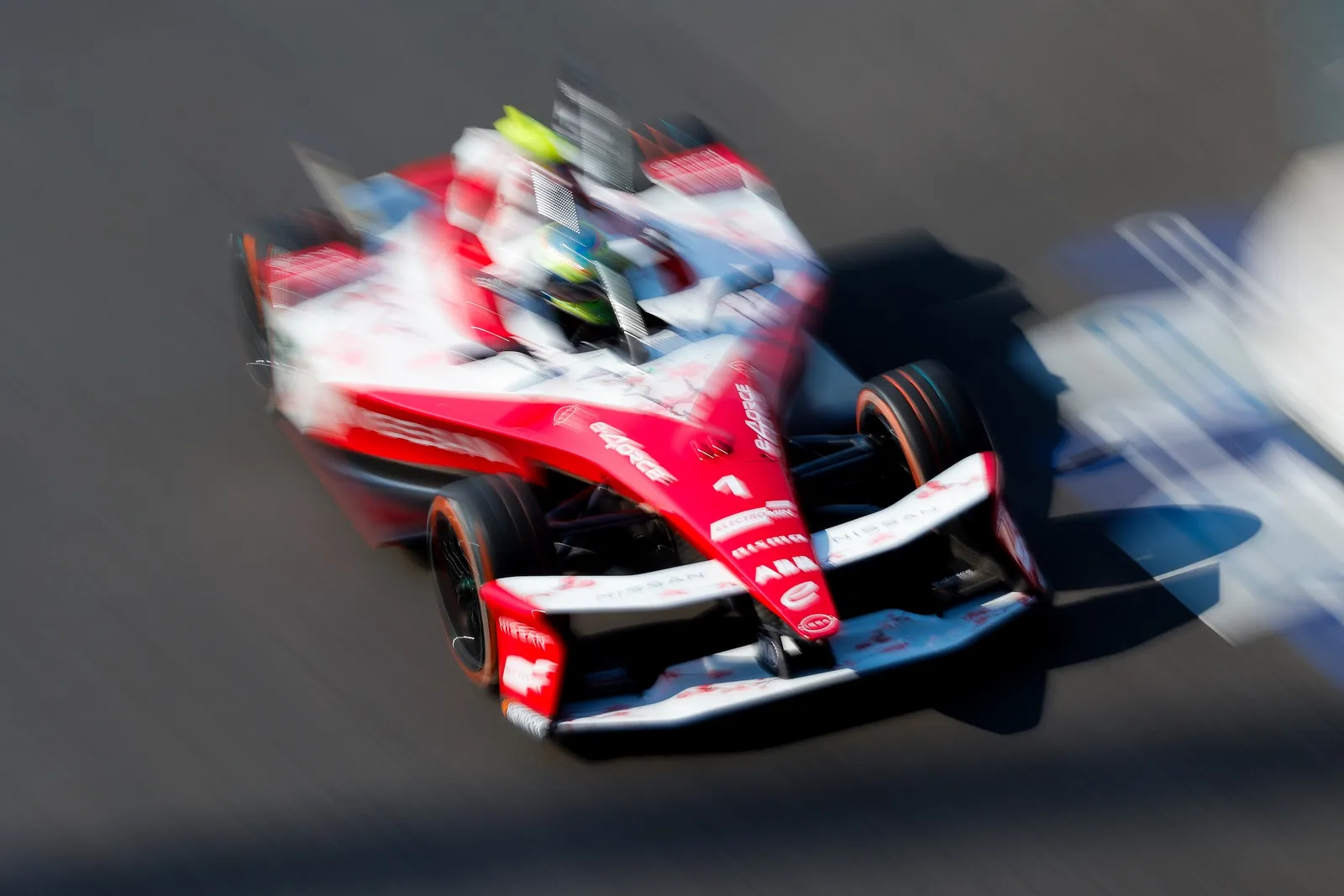
For the most part, “motorsport-influenced” is a largely nonsensical term when it comes to cars.
With the exception of a few manufacturers who actually bother to transfer learnings from their motorsport programmes to the showroom, it’s an easy way for manufacturers to plaster a few stickers across an existing model, and charge a significant premium for the privilege.
Yet alongside the likes of Audi and Subaru, whose motorsport heritage has had direct and long-term influence on its passenger car line-up, there sits a brand which is quietly letting the symbiotic relationship between its Formula E programme and its upcoming EV range do the talking. Step forward Nissan.
Yes, the very same Nissan that pioneered the Mk1 Leaf. You know, the EV that the weird vegan hippies down the street bought around 2011.
From GEN1 to GEN4
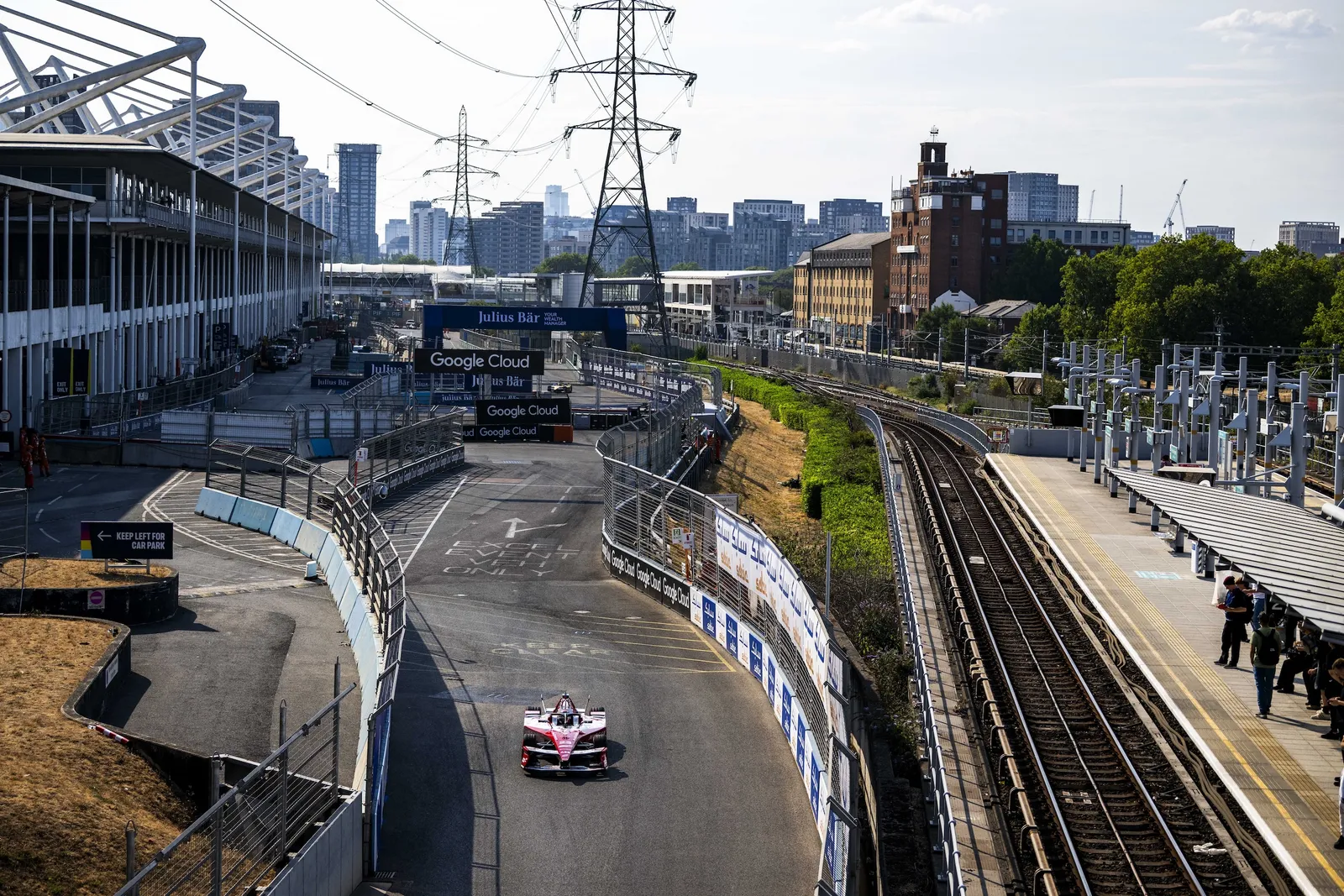
Stick with me, though. To find out about how Nissan’s FE programme is having an influence over its electrified models, join me in East London’s now-hip ‘n kool Docklands, where the Formula E season 12 finale is being held at the ExCel.
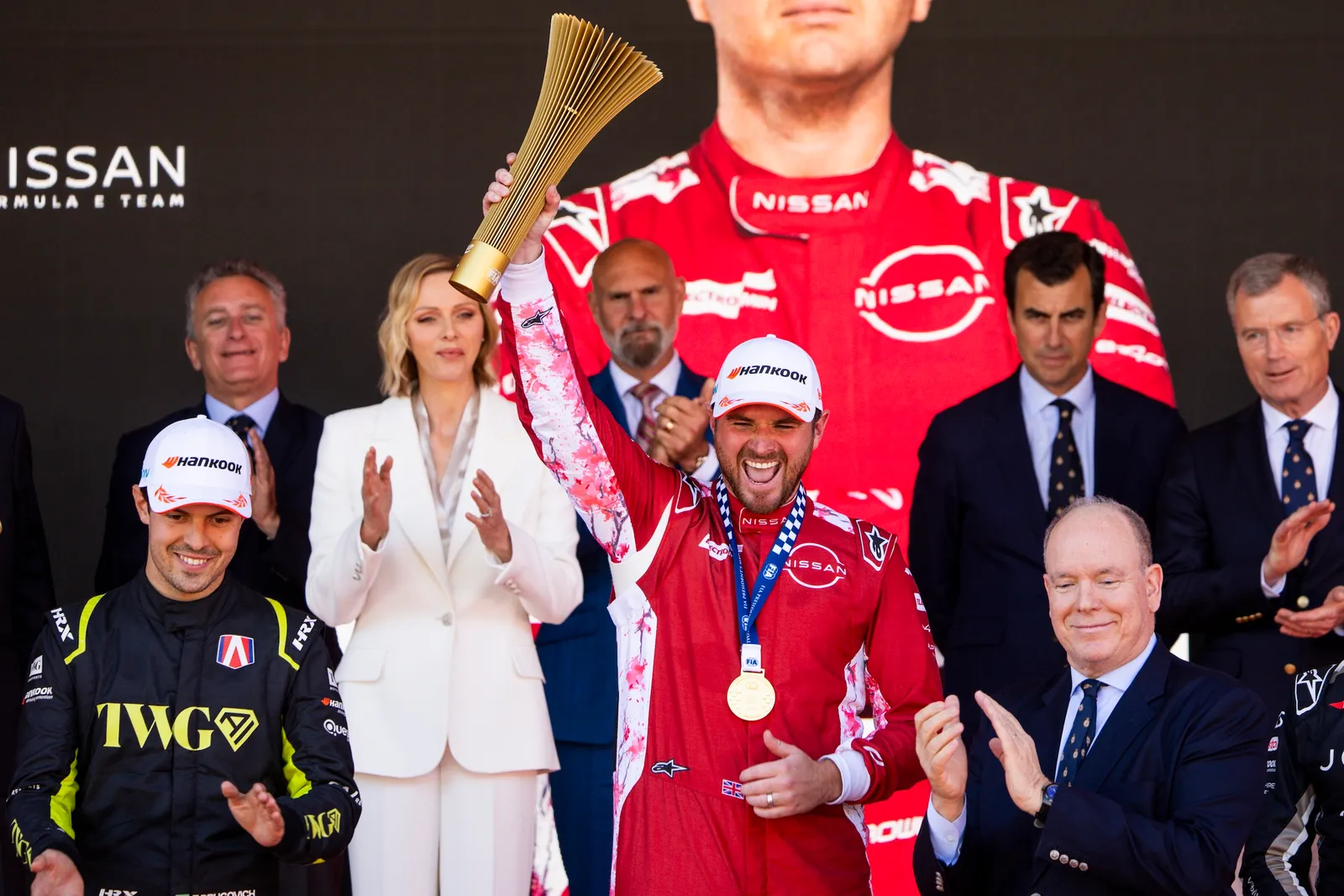
There’s a jubilant end-of-term atmosphere in the air, and Pascal Wehrlein has just claimed his second FE title, his second with Porsche. And while the German has deposed Nissan’s Oliver Rowland as FE World Champion, there’s still an air of optimism in the Japanese manufacturer’s camp as the sport gears up for the highly-anticipated Season 13 running from 2026 to 2027.
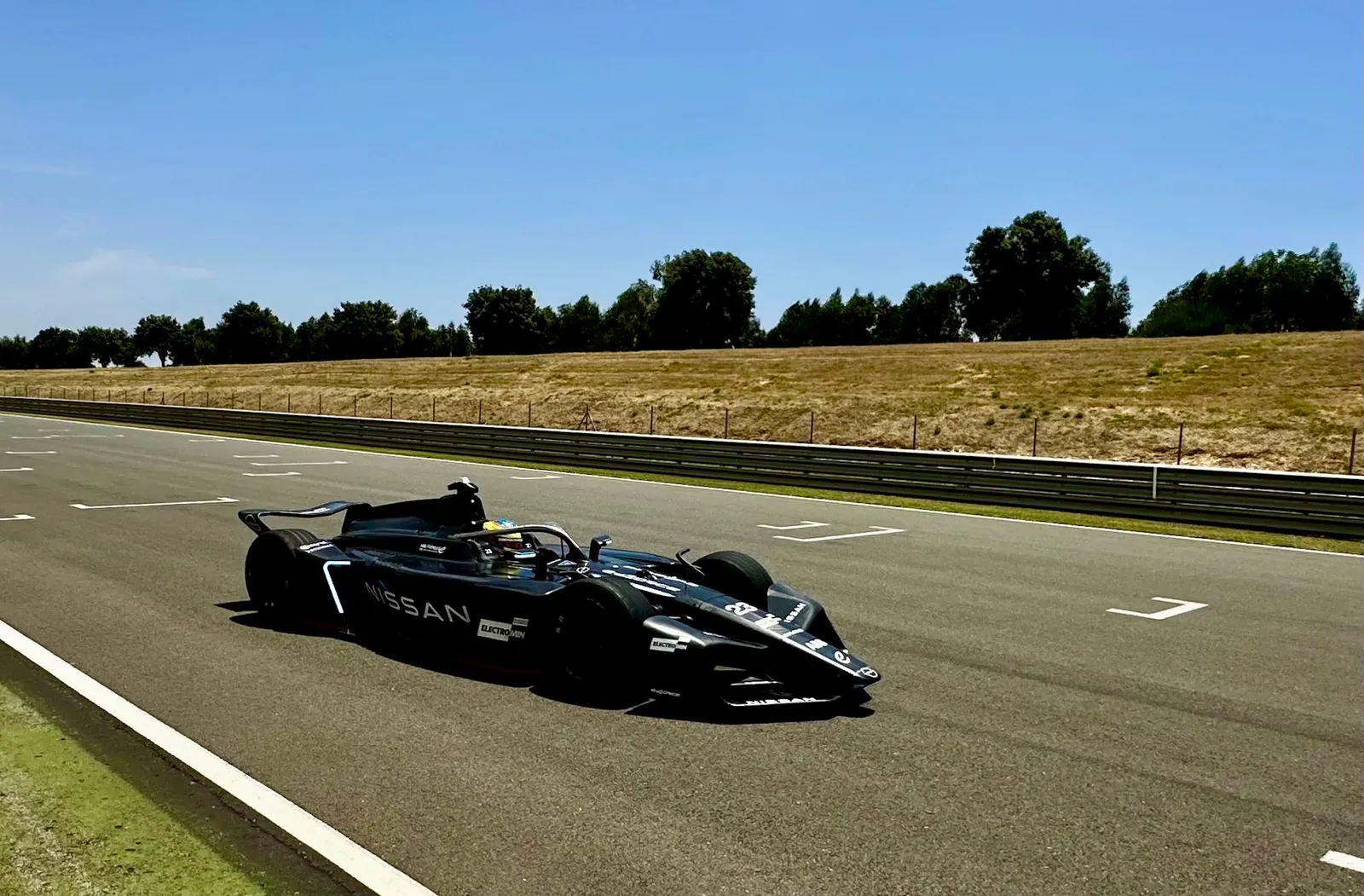
Kicking off in Jeddah on December 18, Season 13 marks the arrival of the GEN4 Formula E car, an 816bhp coming together of how accomplished and well-regarded the sport has become since its rocky debut season back in 2014.
And it’s the debut of the most powerful, technologically-advanced Formula E car that provides Nissan with its sense of quiet confidence.
The first to fully commit to GEN4
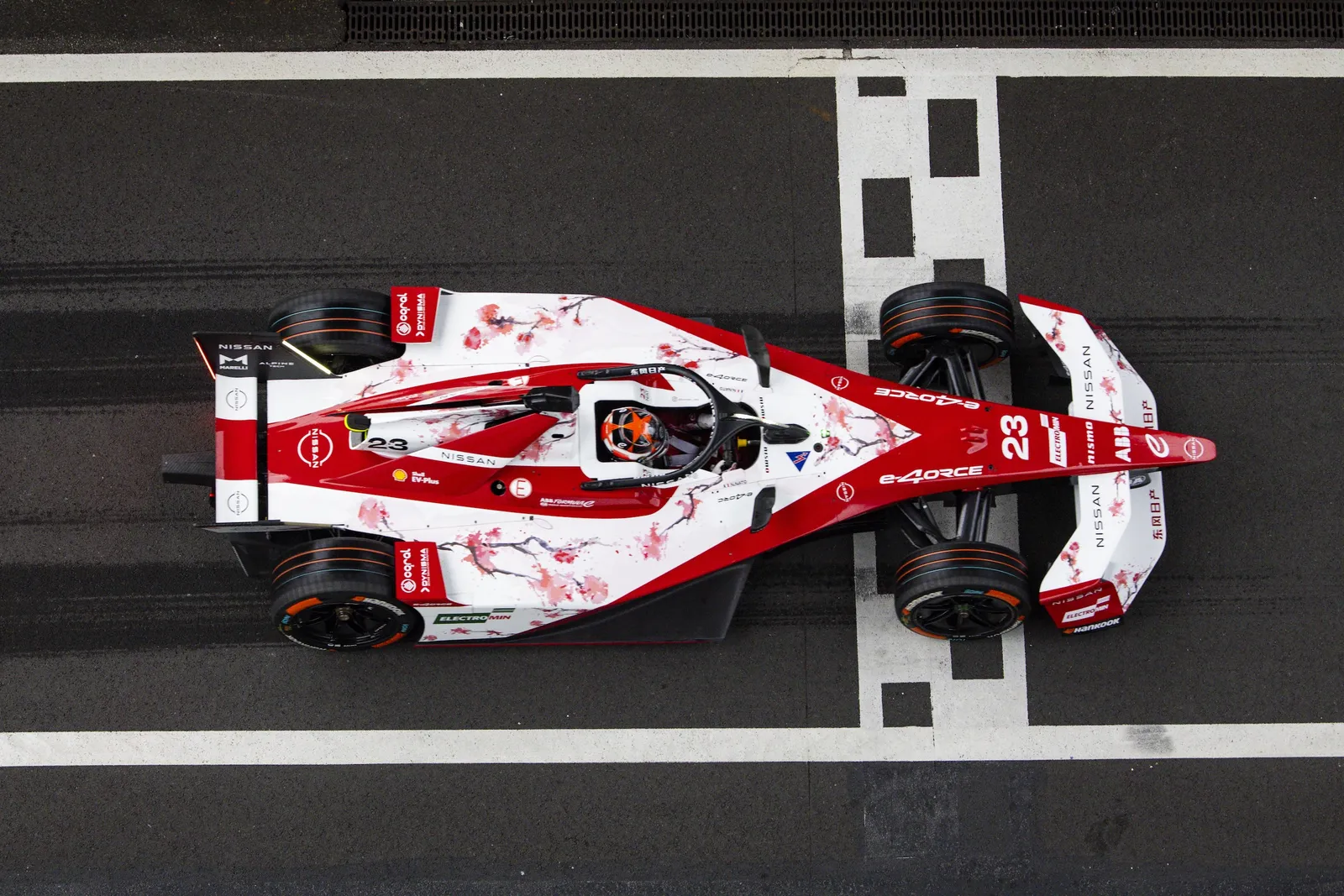
The Yokohama-based firm was the first manufacturer competing in FE to commit to GEN4, thus becoming the first carmaker to confirm that it will race in Formula E until “at least” 2030. This ensures that its much-loved Sakura livery will continue to strike a gentle pink-coloured chord with fans into the next decade.
Last year, Nissan, also rolled out a clear roadmap for its electrification strategy: By 2030, it will introduce 19 new electrified models to join its existing EV range already comprising the Ariya, the Leaf, and the Micra. No ifs. No buts.
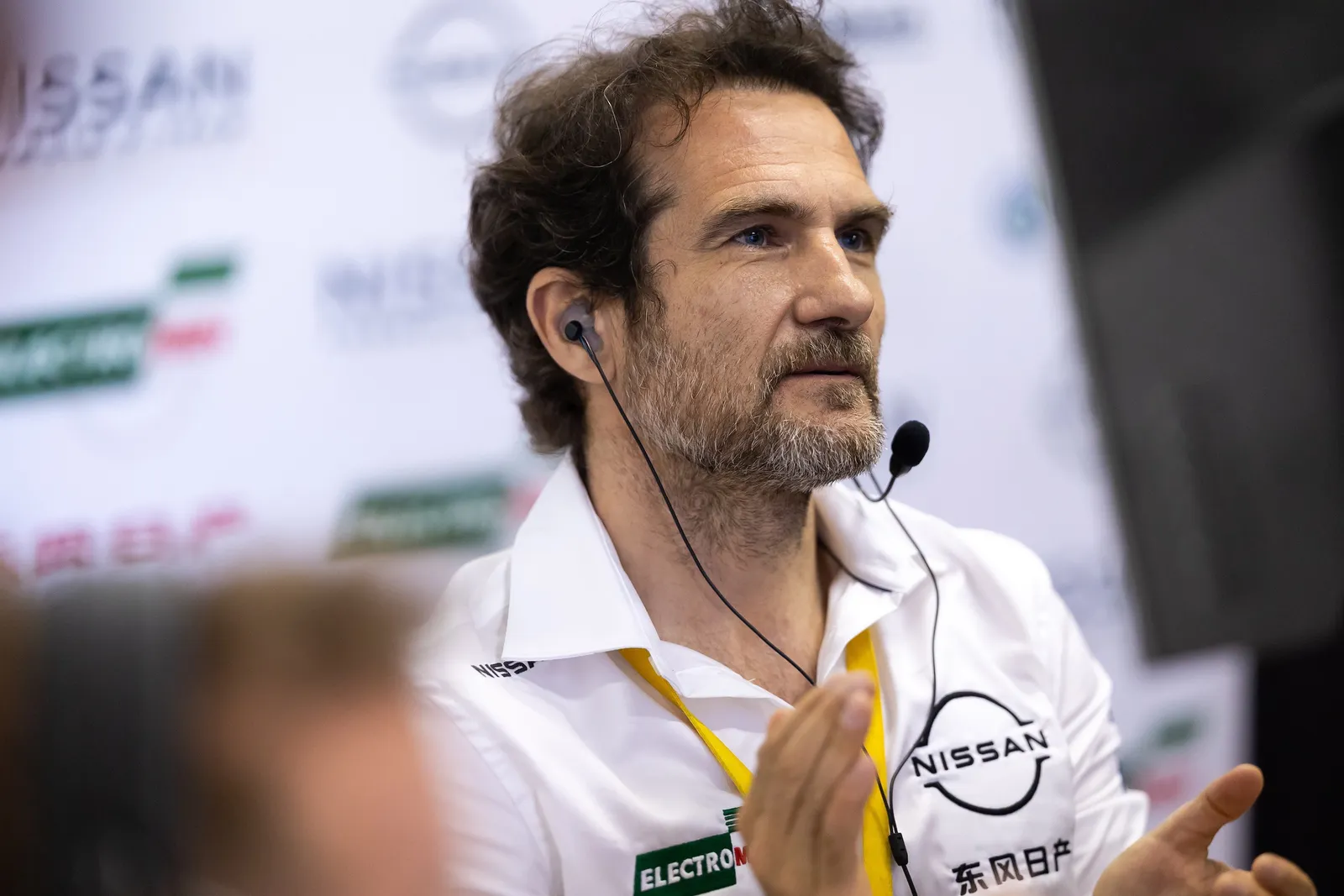
Speaking to EV Powered from a Tapas bar adjacent to the unique indoor/outdoor ExCel circuit, Nissan Formula E team principal, Tommasso Volpe, explains that Nissan’s ambitious EV expansion plan is largely hooked around the GEN4 car, which will be driven by Rowland and new arrival, Barbadian Zane Maloney, who jumped ship from the Lola ABT Yamaha outfit.
Feel the e-4ORCE
From next season onwards, the FIA’s latest set of regulations have said that GEN4 cars must be permanent all-wheel-drive (AWD). Instead of looking to fully-develop its own system, Volpe, who also became Nissan’s global motorsports director in 2020, explains that Nissan has looked to its road-going line-up of e-4ORCE-branded AWD models for inspiration.
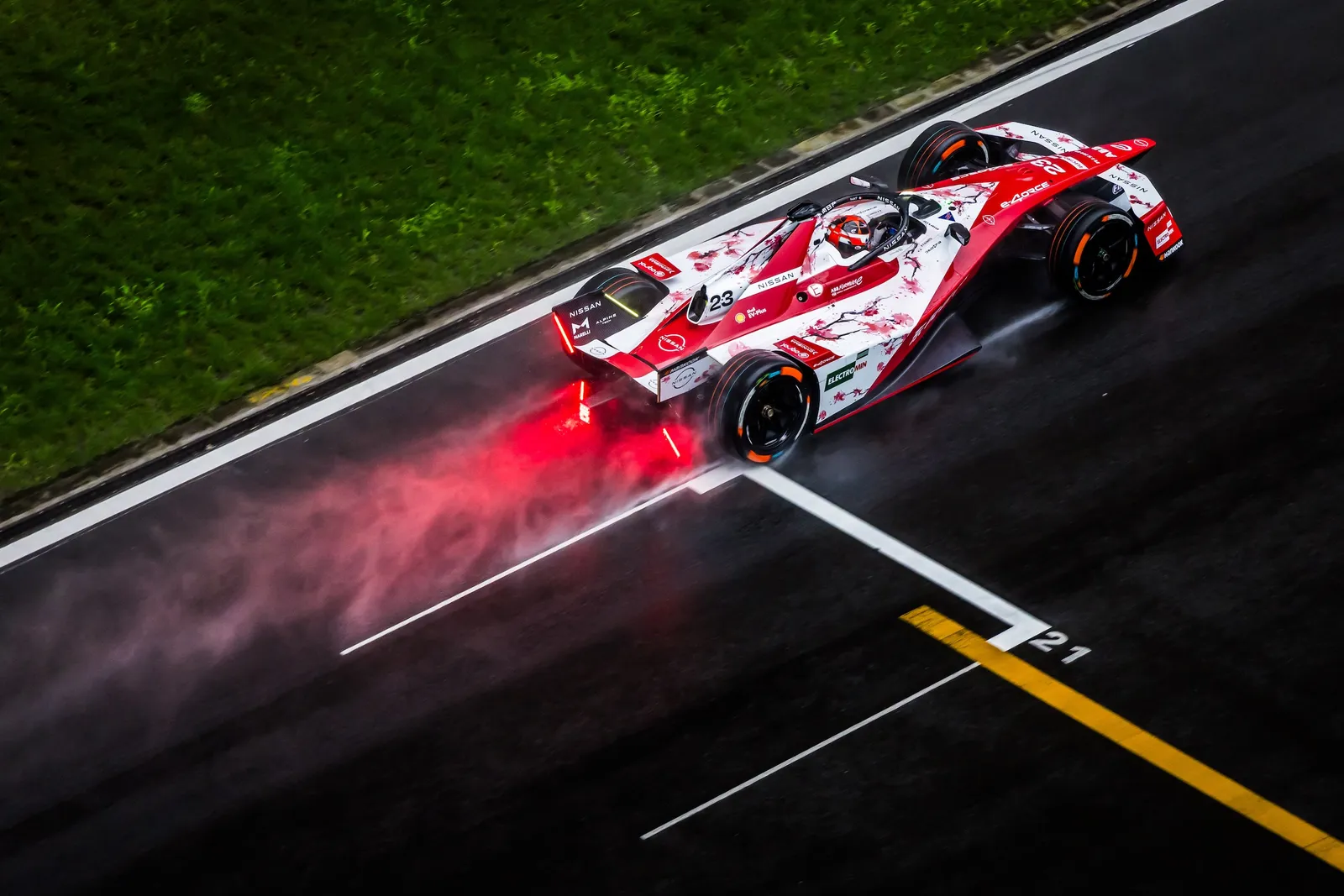
“In the automotive business, Nissan’s e-4ORCE system is very well known for being one of the best when it comes to AWD road cars and pick-up trucks in Europe and elsewhere,” the 51-year-old says. “The GEN4 car will be permanently AWD, so that gives us the opportunity to transfer technologies we already have to our Formula E programme.”
Like Audi’s Quattro system, e-4ORCE constantly monitors grip and tyre slippage and can distribute torque between all four wheels individually to ensure best traction and control, and reduce energy losses. In Volpe’s words, the e-4ORCE system empowers the driver “with the perfect way to independently control the four wheels. For a normal driver, it means more comfort and control. For a racing driver, it means more performance.”
Alongside showcasing existing technologies and onboarding road car tech, Volpe points out that Formula E is an almost rolling laboratory for all future intellectual property related to Nissan’s future EV range.
The power of coding
After, say, tweaking the e-4ORCE powertrain to “be as agile and as grippy as possible”, engineers can then seek to transfer another control system from track to road. In Formula E, manufacturers are allowed to develop their own powertrains and with them, their own software.
While that means getting the most out of their in-house powertrain on race weekends, it also means potential for the passenger car division. After all, helping a car get the very most out of its batteries is a shared aim across race and road applications. And with Nissan’s big-brained computing whizzes working the code to improve the race car, there are skills and learnings to be shared with the wider company.
Already, Volpe is confident that the Nissan powertrain is “very efficient” at its base level. After all, he says, it was what helped the Sakura-liveried team cars to the 2024/2025 Drivers’ World Championship with Rowland. But it’s the powertrain’s control systems that will often dictate a Formula E team’s on-track successes or failures.
“We have so many control systems from energy efficiency to traction control. braking, and many more,” he adds. “All of these systems have to work together to make your race car – and then your EV – as efficient as possible.
“This isn’t easy to transfer technical knowledge back and forth, but it’s certainly easier to do with an electric powertrain than an internal combustion engine (ICE), because with the ICE you have a very rigid set of parameters to work with and a very strict power output wind that makes it very difficult to modify. With an electric powertrain, everything is dictated by the software.”
Volpe’s latest statement all but affirms that Nissan’s next generation of EVs will be software defined vehicles. In broad terms, an SDV’s performance and dynamics are driven purely by code.
“In theory, then, you can use the same electric motor in a family car and a sports car,” he elaborates. “It’s a very flexible set-up, and while I can’t speak about the other Nissan EVs in the pipeline, we’ll have our Nismo version with potentially more direct from Formula E.”
Cultivating a new breed of car enthusiasts
With Formula E’s role in the Nissan EV ecosystem well established, converting buyers from diesel and petrol to electric remains the next part of the two-way relationship between track and road.
Earlier in the year, Nissan UK boss, James Taylor also pretty much confirmed that a Formula E-derived EV is on the way, when – also at the London ePrix – he told EV Powered: “there is definitely room for electric performance models”. The Nismo badging looks likely. The Sakura livery, sadly, remain to be seen.
“As an industry, we’ve perhaps not done enough to bring enough excitement around electric, and I think Nismo can help bring that to life,” he says candidly. “I say this, because one of my best mates is a complete petrolhead. I’ve been working on him for a while because I’ve driven electric cars for years.
“The other weekend, he drove my Ariya Nismo, and when he got out, he said ‘you know what? Maybe I will buy an EV as my next car!’ and I almost fell over. The key is to get people actually experiencing EVs and the technology for themselves, because I think some car enthusiasts feel as if they’re letting go of their soul if they admit something is better than internal combustion.”
Leading by example on and off-track
With Season 13 around the corner, Formula E has more than proven it has the chops to attract and nurture a fanbase from scratch.
It’s now up to the participating manufacturers to make sure their race cars remain relevant to FE’s audience to convert buyers to electric. Looking at what Nissan is doing with such transparency would be an excellent place to start.