
Dutch charging stations to open parking bays to internal combustion vehicles
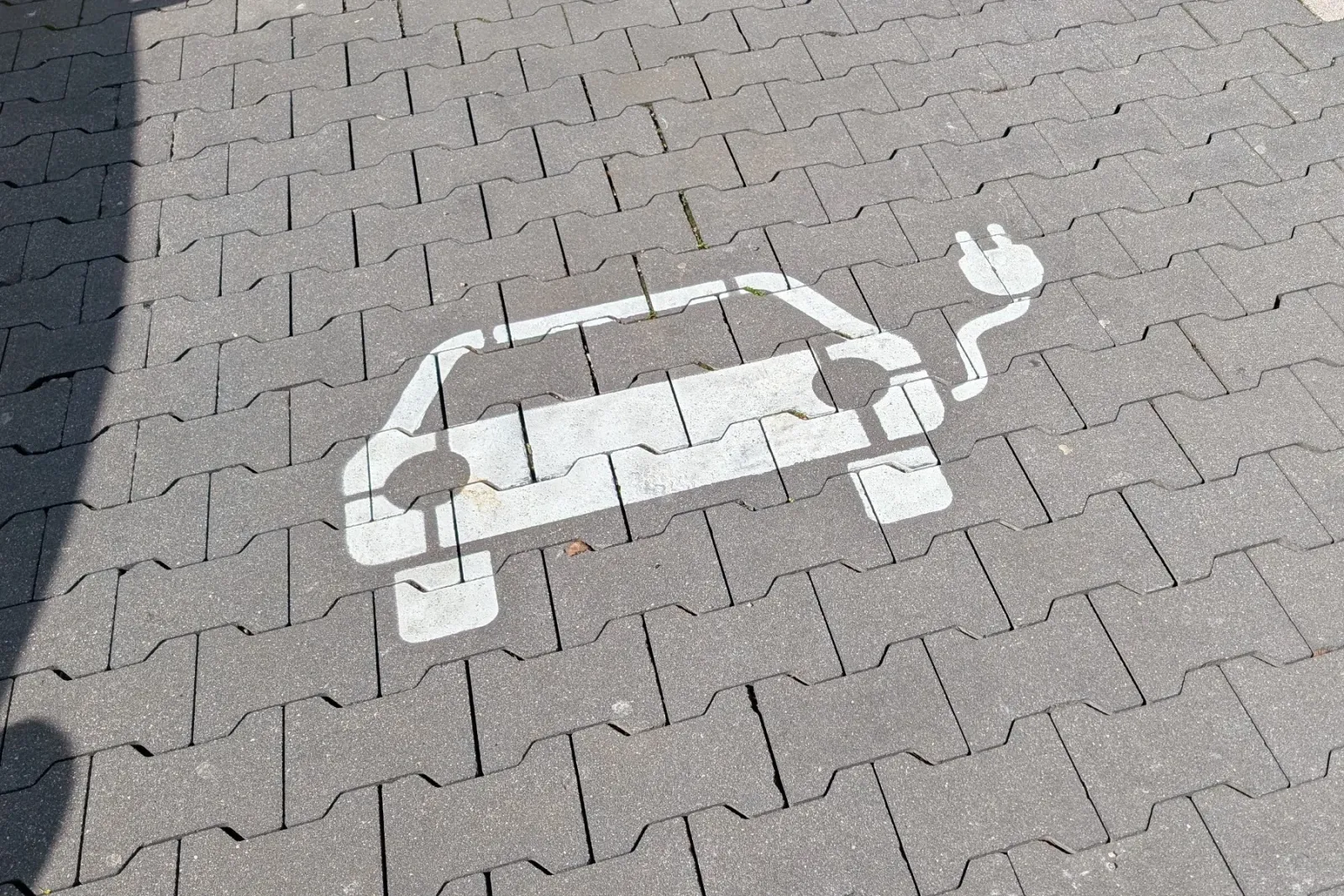
Starting August 1, diesel and gasoline vehicles will be allowed to park at charging spots in 19 Dutch municipalities without risking a fine. Vattenfall InCharge is setting up 150 charging stations without reserved parking spaces in North Brabant and Limburg as part of a pilot project.
At first glance, the announcement from Vattenfall reads like a minor provocation: an energy company builds charging infrastructure and, in the same breath, announces that any Passat TDI can park where EV is supposed to recharge its battery. No fines, no guilty conscience. In everyday terms, this might seem like a step backwards. But it may not be: according to Vattenfall, it could be a bureaucratic workaround.
Charging station approvals in the Netherlands: a protracted process
To understand why, it is important to know what happens in the Netherlands before a charging station is permitted to supply power. A public parking space is initially available to everyone. If it is to be reserved exclusively for EVs, the municipality requires a formal traffic ruling, known as a ‘verkeersbesluit‘. Its initial publication is followed by an objection period during which residents can file appeals – and in some cases, the matter may even end up in court. For instance, a neighbour defending their regular parking spot in front of their home can delay the installation of a charging station by months. The charging point itself is never the issue – the technology can be installed within hours. The bottleneck is the sign above the charging station that prohibits internal combustion vehicles from parking there.
Vattenfall InCharge is now omitting this very sign in its pilot project. There are no exclusive parking spaces – and thus no traffic ruling or objection process. The charging station becomes part of normal street furniture, or roughly as subject to approval as a bicycle rack. The charging bays are marked in two ways: either with an adapted traffic sign, or with ground markings. Both indicate: You can charge here. Neither states: “Only you are allowed to park here.“
The pilot project is structured as follows: 150 ‘open’ charging points and 150 typical ones, serving as a control group, will be installed. All 300 charging points will be set up between August 2026 and January 2027, followed by several months of monitoring. The study will examine occupancy, availability, complaints, objections, and whether the installation process is indeed faster without the sign.
Participating cities include Tilburg, Weert, Bergen op Zoom, Oosterhout, and Vught. The project is part of the RAL Zuid concession, in collaboration with the provinces and the municipalities involved.
A survey that could settle the dispute
Vattenfall pre-surveyed around 1,000 drivers – and the results are the most entertaining part of the announcement. They thoroughly debunk the image of a bitter divide between camps.
Only 16 per cent of internal combustion vehicle drivers believe there are too many charging stations in their area. In contrast, more than half of EV drivers say there are too few. And here’s the key finding: 41 per cent of petrol and diesel drivers would voluntarily vacate a shared parking space for someone who needs to charge. Another 27 per cent would only park there if no other spaces were available. Just 14 per cent admit they would stay longer than two hours.
Even among EV drivers, attitudes are more flexible than expected. 38 per cent consider space sharing a good idea, as long as charging remains possible when needed. 36 per cent believe charging spaces should be used exclusively for charging. There’s no uproar – just a shrug.
The regional nuances are interesting. Residents of Brabant are more flexible: three in ten consider parking pressure a bigger issue than a lack of charging stations. In Limburg, the figure is 22%, where the charging function is defended more resolutely. However, it is worth noting: these are survey results. What people claim about their future parking behaviour and what they actually do at 7 PM in the rain with a full shopping basket are two different things.
In five years, no one will be talking about this
As intriguing as this experiment may be, its relevance is limited. The Netherlands now has 750,000 battery-electric vehicles and over 600,000 PHEVs. The trend is clear. The assertion that Europe will soon be predominantly electric is no longer a prophecy but a logical consequence of current market developments.
This essentially resolves the fundamental question. As the number of internal combustion vehicles on the roads continues to shrink, charging spaces will eventually be occupied by EVs simply because there will be little else on the road. Whether a sign mandates this or not will then be about as relevant as the question of whether the diesel pump at a filling station needs to be reserved exclusively.
However, if Vattenfall can demonstrate that charging stations can be built significantly faster without traffic rulings, this is a valuable insight—and one that could be applied elsewhere, where approval procedures are also not known for their speed.