
China to bring solid-state batteries to mass production by 2030
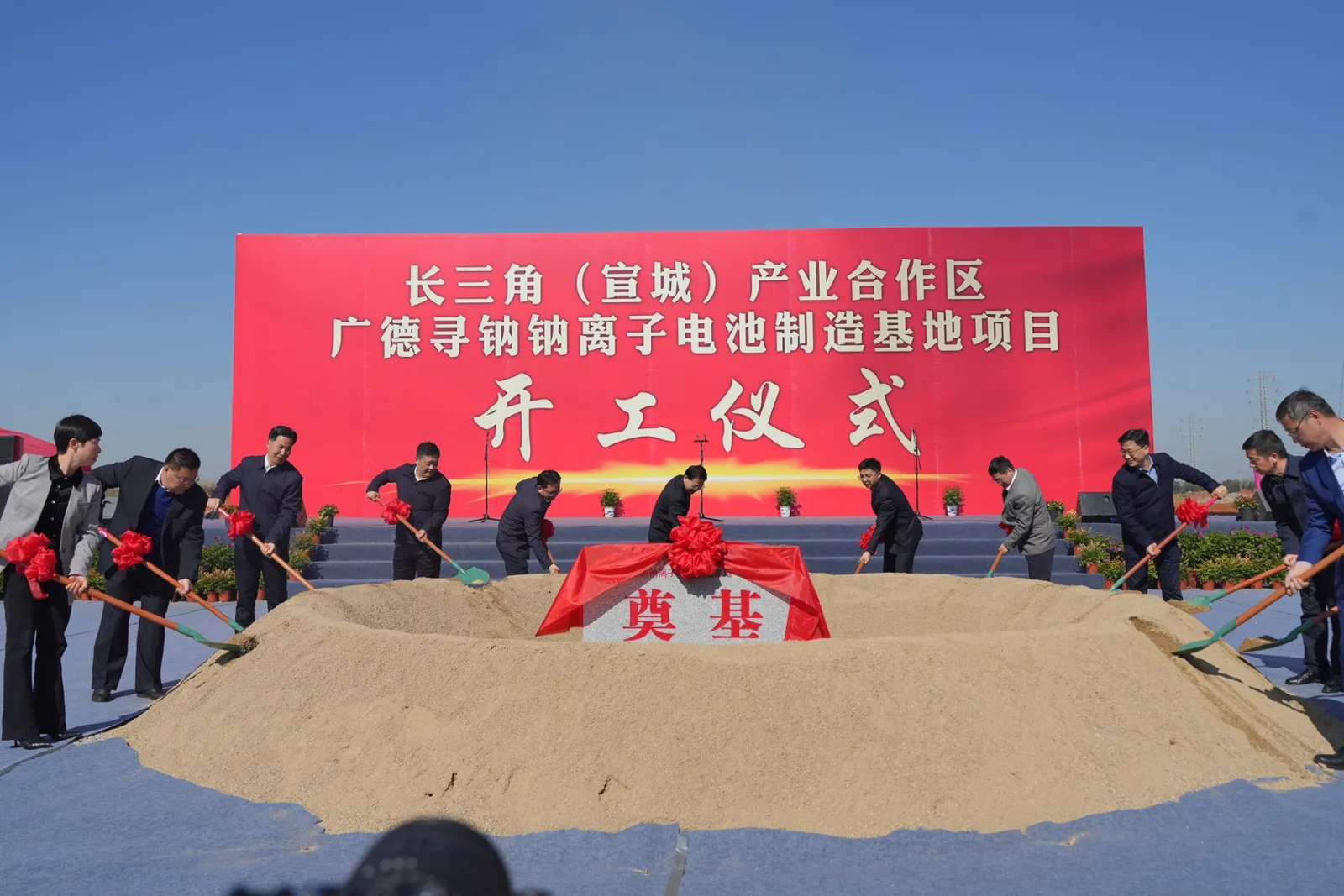
China presents a new five-year plan for the battery industry. By 2030, solid-state batteries are to be used on a larger scale for the first time, while Beijing also targets sodium-ion batteries, fast charging, recycling, and industry consolidation.
China will further upgrade its domestic battery production technologically and focuses on consolidation.
Image: Zoolnasm
China’s Ministry of Industry and Information Technology (MIIT) in collaboration with six other authorities — including the National Development and Reform Commission (NDRC) and the Ministry of Transport — has published a development plan for the battery industry covering the period from 2026 to 2030.
Technologically, China is placing a clear focus on all-solid-state batteries. By 2030, their deployment is expected to reach a larger industrial scale for the first time. Key technical challenges such as ionic conductivity, cycle stability, and cost must be addressed. These include improving interfaces between cell components, extending service life, and advancing pressure-applied cell concepts.
In parallel, the production of high-performance solid electrolytes is to be scaled up. On the cell chemistry side, the plan mentions combinations of high-voltage and high-capacity cathodes with new lithium-metal anodes, as well as anode-free concepts. Corresponding production facilities, such as isostatic presses, are also to be further developed.
China also focuses on sodium-ion batteries and fast charging
Solid-state batteries are only part of China’s larger battery strategy. While the country continues to build a battery industry centred on lithium-ion batteries, they will be supplemented by sodium-ion and redox flow batteries. At the same time, the Chinese government agencies aim to accelerate the industrialisation of ultra-fast-charging batteries.
As reported by the portal _CNevPost_, the focus for sodium-ion batteries will be on cost, safety, and raw material availability. Developments will include cold-resistant traction batteries with higher energy density and long-life storage batteries. For particularly long-lasting lithium-ion batteries, the plan sets a target of 15,000 charge and discharge cycles. Leading manufacturers are also expected to achieve defect rates at the PPB (parts per billion) level, meaning only a few defective units per billion.
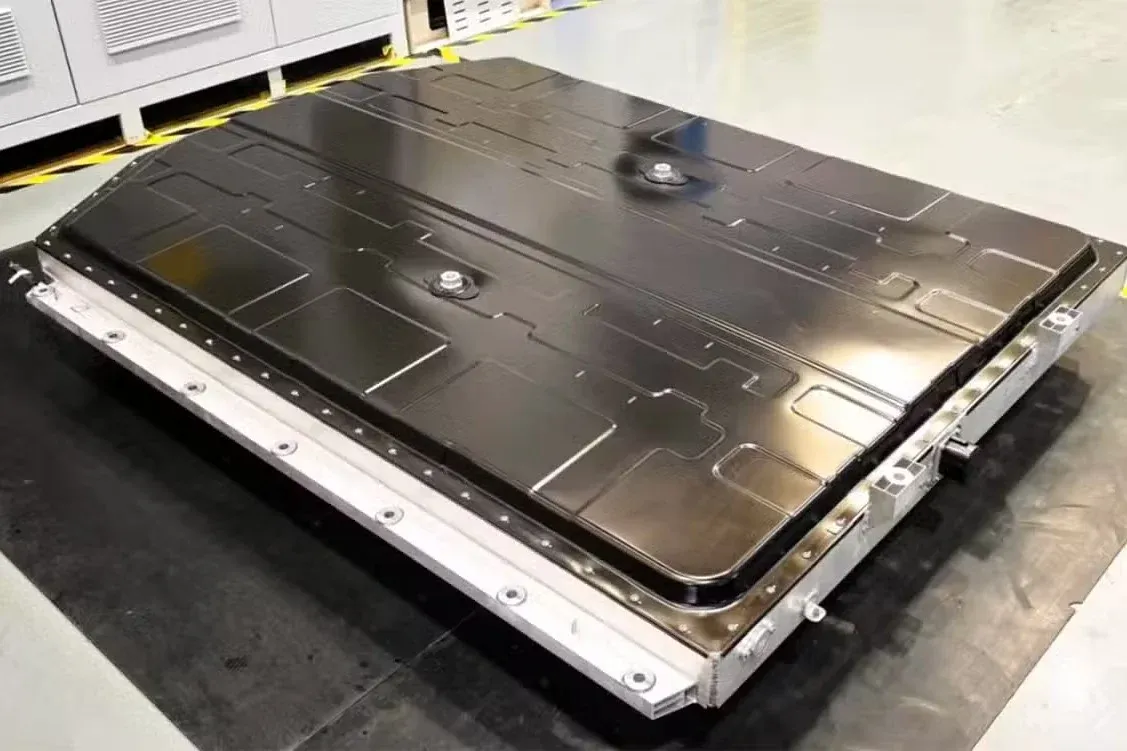
The consolidation of the battery industry is another major focus in China. Authorities aim to support mergers and restructuring. At the same time, domestic deposits of lithium, cobalt, and other raw materials are to be developed more rapidly. This links China’s technology policy with a stronger focus on securing supply chains. Requirements for recycling are also increasing. Battery manufacturers must establish take-back systems whose capacity matches their sales volumes. In key export markets, companies should also build their own recycling capacities, provided the conditions are met.
In addition, China plans a digital identity management system for batteries used in New Energy Vehicles (NEVs). The plan includes exploring internationally compatible battery passport systems and mutual recognition of CO₂ footprint data. In the EU, a battery passport is already a done deal.
Tax incentives shift towards new battery technologies
The new five-year plan comes at a time when China is realigning its subsidy policy. Since September, lithium-ion batteries have been subject to a consumption tax of two per cent, which is set to rise to four per cent from September 2027. Sodium-ion and solid-state batteries, however, will remain exempt from this tax until the end of 2028.
This shifts tax incentives increasingly away from established lithium-ion batteries towards newer technologies. At the same time, incentives for electric vehicles are also being gradually reduced. Since the beginning of 2026, the purchase tax has offered only a 50 per cent reduction, with further benefits set to expire in 2027. State support is thus shifting more towards technology development, infrastructure, and industrial scaling.
This development is also industrially relevant for Europe. According to a Deloitte study, 77 per cent of battery cells for electric cars were already produced in Asia in 2025. Even the cell capacities available in Europe were reportedly 98 per cent controlled by Asian manufacturers. While the EU is now trying to support the ramp-up of its own cell factories with instruments like the “Battery Booster”, China is already linking its battery policy to concrete goals for new cell chemistries, manufacturing quality, raw material security, and industry consolidation.