
Bosch unveils new eAxle for electrive HGVs
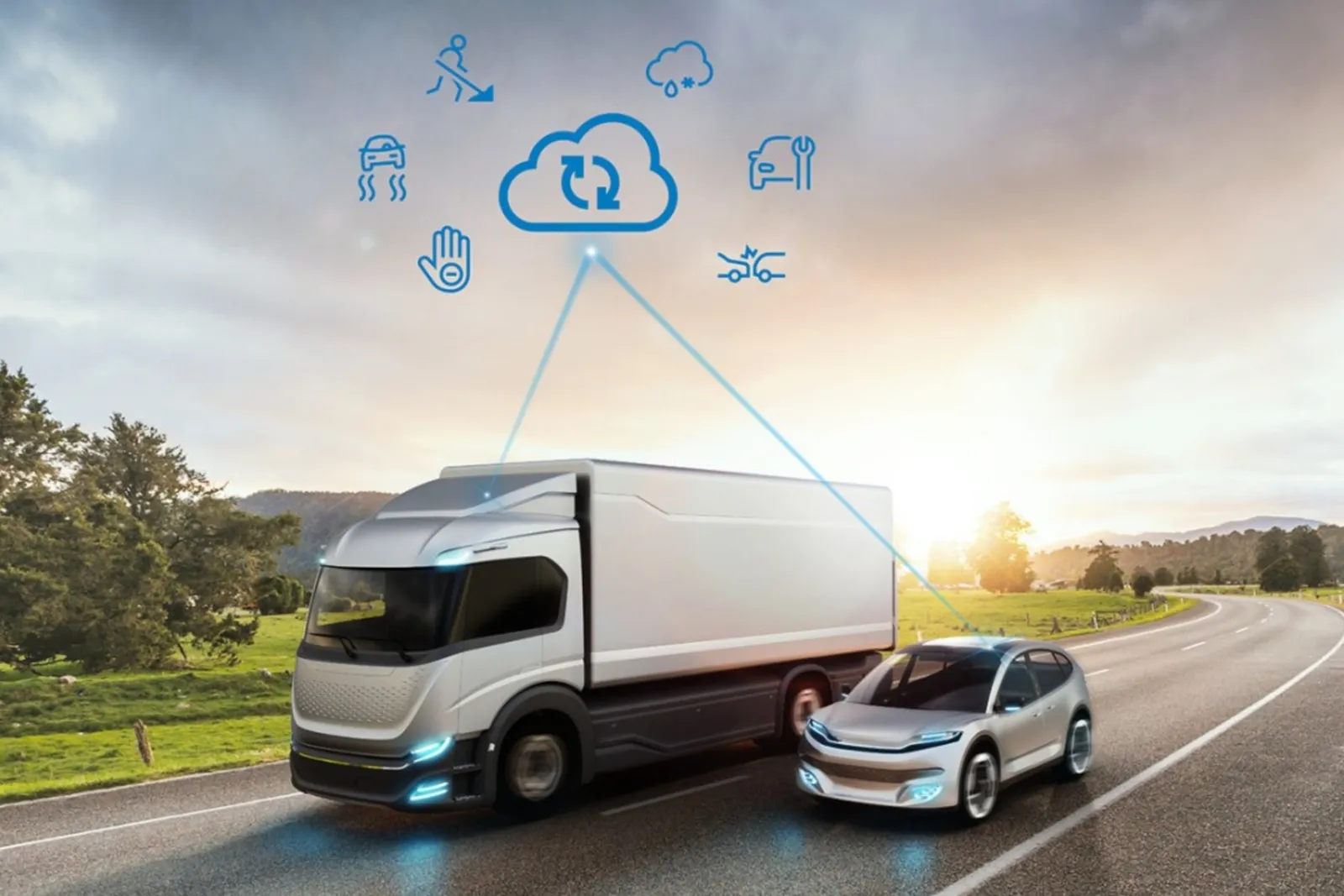
At IAA Transportation, Bosch is showcasing a new electric rigid axle for heavy commercial vehicles. The Rigid eAxle integrates an electric motor and transmission and is designed for vehicles ranging from 18 to 49 tons. Additionally, the supplier is presenting new solutions for thermal management, driver assistance, and the software-defined truck.
Bosch combines the Rigid eAxle with SiC inverters, which achieve an efficiency of up to 99 percent.
Image: Bosch
With the Rigid eAxle, Bosch is expanding its portfolio of drivetrain solutions for electric commercial vehicles. The new rigid axle integrates key components of the electric powertrain – such as the electric motor and transmission – and covers a broad range from 18 to 49 tonnes. Compared to a central electric drive, Bosch claims the integrated solution saves weight and operates more efficiently. However, the supplier has not yet disclosed specific figures for performance or weight savings.
The e-axle can be combined with Bosch’s silicon carbide inverters, for which the company specifies an efficiency of up to 99 per cent. A global production and supply network enables Bosch to provide drivetrain components locally in various markets.
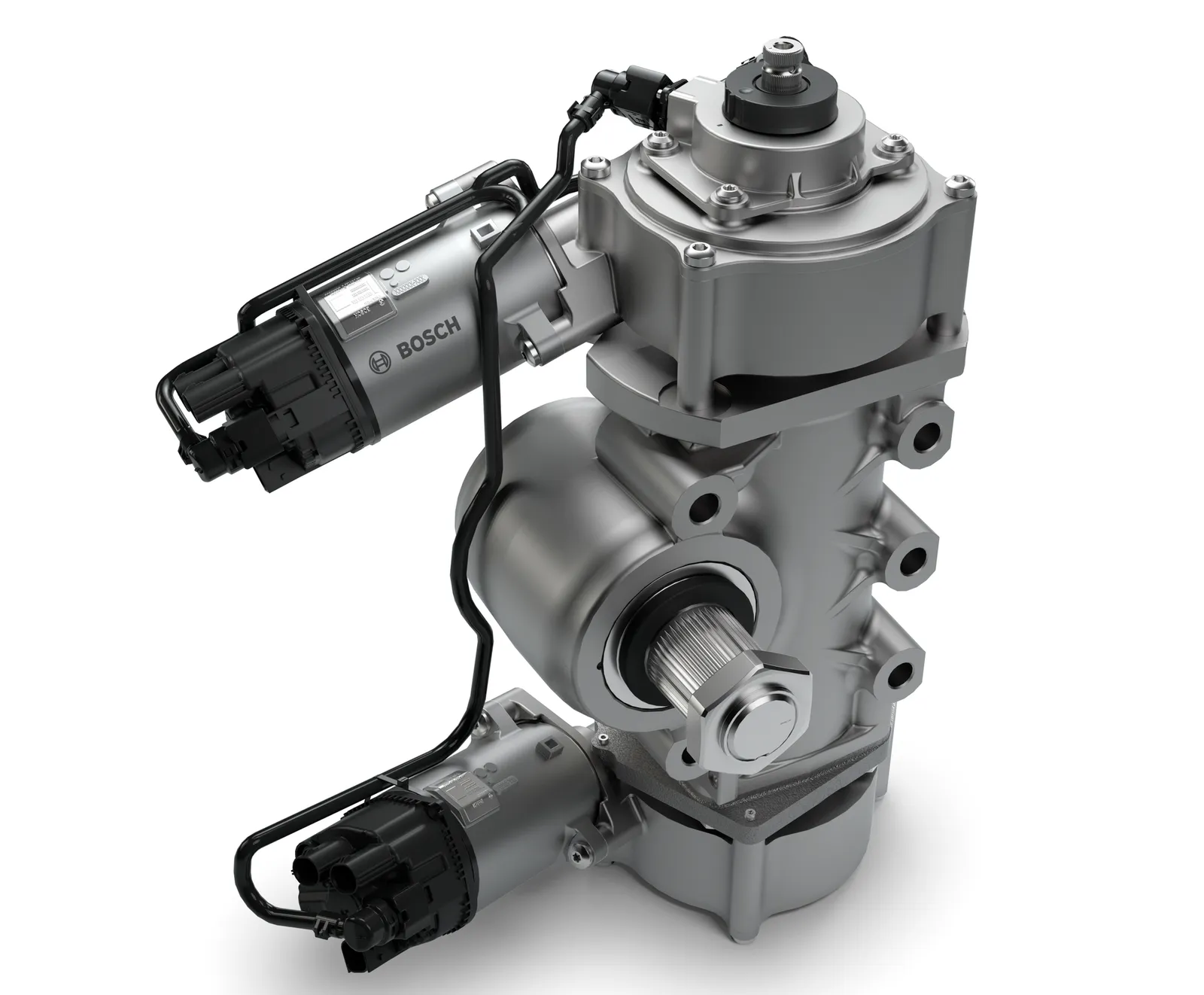
Bosch is also advancing its thermal management solutions. A new high-voltage blower module has been developed specifically for electric commercial vehicles and off-highway applications with 800-volt architecture. It is designed to cool critical vehicle components on demand while reducing the energy consumption of the thermal management system. Bosch expects this to deliver benefits in terms of efficiency and range.
Bosch prepares trucks for further automation
Beyond the powertrain, Bosch is focusing on software-defined commercial vehicles at the IAA. Centralised E/E architectures and high-performance vehicle computers are increasingly taking over functions previously distributed across individual control units. For example, the Vehicle Integration Platform consolidates functions from the Motion, Energy and Body domains on a central computing platform and enables over-the-air updates, among other features.
One concrete example is driver monitoring. Bosch integrates the required camera into the left screen of its digital side mirror. According to the supplier, two European truck manufacturers have already adopted the solution as standard equipment. Currently, a separate control unit processes the camera data, but in the future, this task will be handled by a central domain controller.
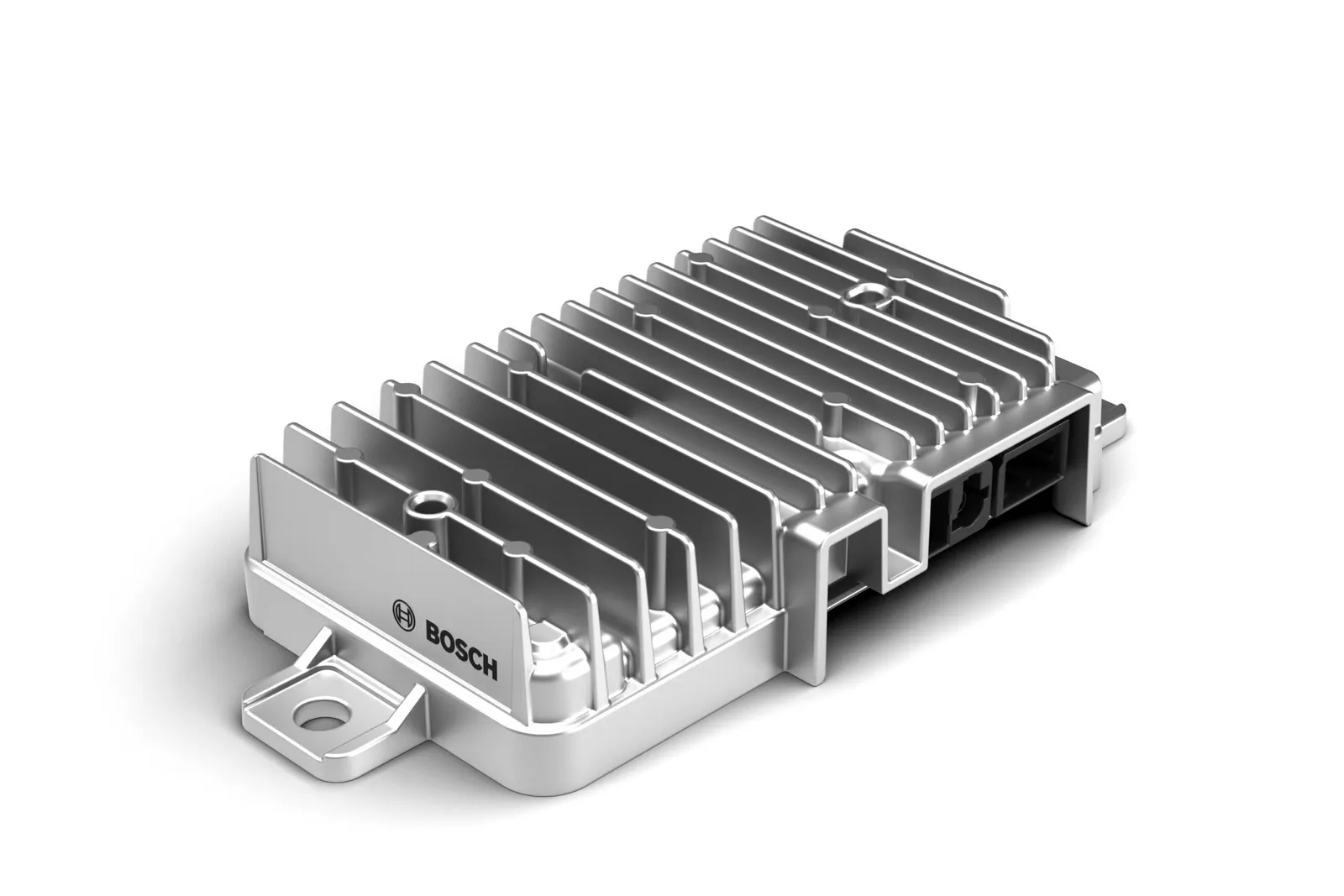
Bosch is also preparing heavier commercial vehicles for more advanced automated driving functions in terms of steering. The new fully electric ServoE operates without hydraulic oil and adjusts its power on demand. Thanks to its redundant system design and cybersecure software architecture, it is intended to enable assisted and automated steering functions. In the long term, Bosch states that this technology will also serve as a foundation for steer-by-wire systems without a mechanical connection between the steering wheel and the wheels.
In parallel, Bosch continues to pursue multiple powertrain pathways for heavy-duty commercial vehicles. The company offers fuel cell systems with outputs ranging from 100 to 300 kW for buses and long-haul trucks, and supplies components for hydrogen internal combustion engines. The focus on hydrogen is gaining additional momentum at IAA Transportation: Bosch, alongside Daimler Truck, Volvo, Toyota and other companies from the energy and infrastructure sectors, is part of a newly founded alliance aiming to accelerate the commercial ramp-up of hydrogen trucks and the development of the associated infrastructure in Europe.